Product Launch Event Planning is no longer just about unveiling a new product on stage, it’s about creating anticipation, emotional connection and long-term brand momentum before the product even reaches customers.
Today’s audiences are constantly exposed to launches online. From smartphones and fashion collections to beauty products and tech innovations, people see new launches every single day. That means brands now have only a small window to capture attention and make a lasting impression.
And honestly, the products that succeed are rarely the ones with the biggest budget alone. They’re the ones that know how to build excitement, create memorable experiences and continue the conversation even after the launch event ends.
A successful product launch today works like a full campaign not just a one day event. It combines storytelling, audience engagement, digital amplification, media strategy and flawless execution to create real buzz and meaningful visibility.
So if you’re planning a product launch event and want people to actually remember it, here’s a complete guide to building hype before, during, and after the big reveal.
Why Product Launch Events Matter More Than Ever
In a crowded market, launching a product quietly is almost impossible.
A strong launch event helps brands:
- Create immediate awareness
- Build media attention
- Generate social media conversations
- Attract influencers and industry leaders
- Create emotional excitement around the product
- Drive early sales and customer interest
More importantly, launch events shape first impressions and first impressions in business matter a lot.
As many event strategists now emphasize, the launch event itself is often just the catalyst for a much larger marketing campaign.
Phase 1: Building Buzz Before the Launch
The pre-launch phase is where anticipation begins. In many ways, this stage is even more important than the actual event itself because excitement needs time to grow.
1. Start With a Clear Launch Strategy
Before thinking about venues or decorations, brands need to answer one question:
What is the main goal of this launch?
It could be:
- Brand awareness
- Media coverage
- Product sales
- Investor interest
- Community building
- Industry positioning
Once the goal is clear, every decision becomes more focused and intentional.
2. Understand Your Audience
Not every launch audience wants the same experience.
For example:
- Tech audiences may love live demos
- Luxury buyers may expect exclusivity
- Gen Z audiences often engage more through social-first experiences

Credits: https://in.pinterest.com/pin/767582330218411714/
3. Create Teasers and Curiosity
One of the best ways to build buzz is by not revealing everything immediately.
Brands now use:
- Countdown campaigns
- Teaser videos
- Sneak peeks
- Influencer hints
- Mystery invites
- Social media drops
The idea is to create curiosity before revealing the product fully.
4. Use Influencers and Media Strategically
Influencers and journalists can amplify a launch massively when included early.
Instead of sending generic invites:
- Create exclusive previews
- Offer hands-on access
- Share behind-the-scenes content
- Build personalized experiences
People engage more when they feel like insiders rather than just attendees.
5. Build a Strong Brand Narrative
A product launch should never feel like a technical presentation alone.
People connect with stories.
Great launches explain:
- Why the product exists
- What problem it solves
- How it improves people’s lives
- Why the brand created it now
The emotional story behind a product often matters as much as the product itself.
Phase 2: Creating Impact During the Launch Event
The event itself is where anticipation turns into experience.
Today, audiences expect launches to feel immersive, not just informational.
6. Choose the Right Venue
The venue should amplify the product experience rather than distract from it.
For example:
- Luxury products work well in premium hospitality spaces
- Tech launches often suit industrial-modern venues
- Lifestyle brands may benefit from experiential outdoor spaces
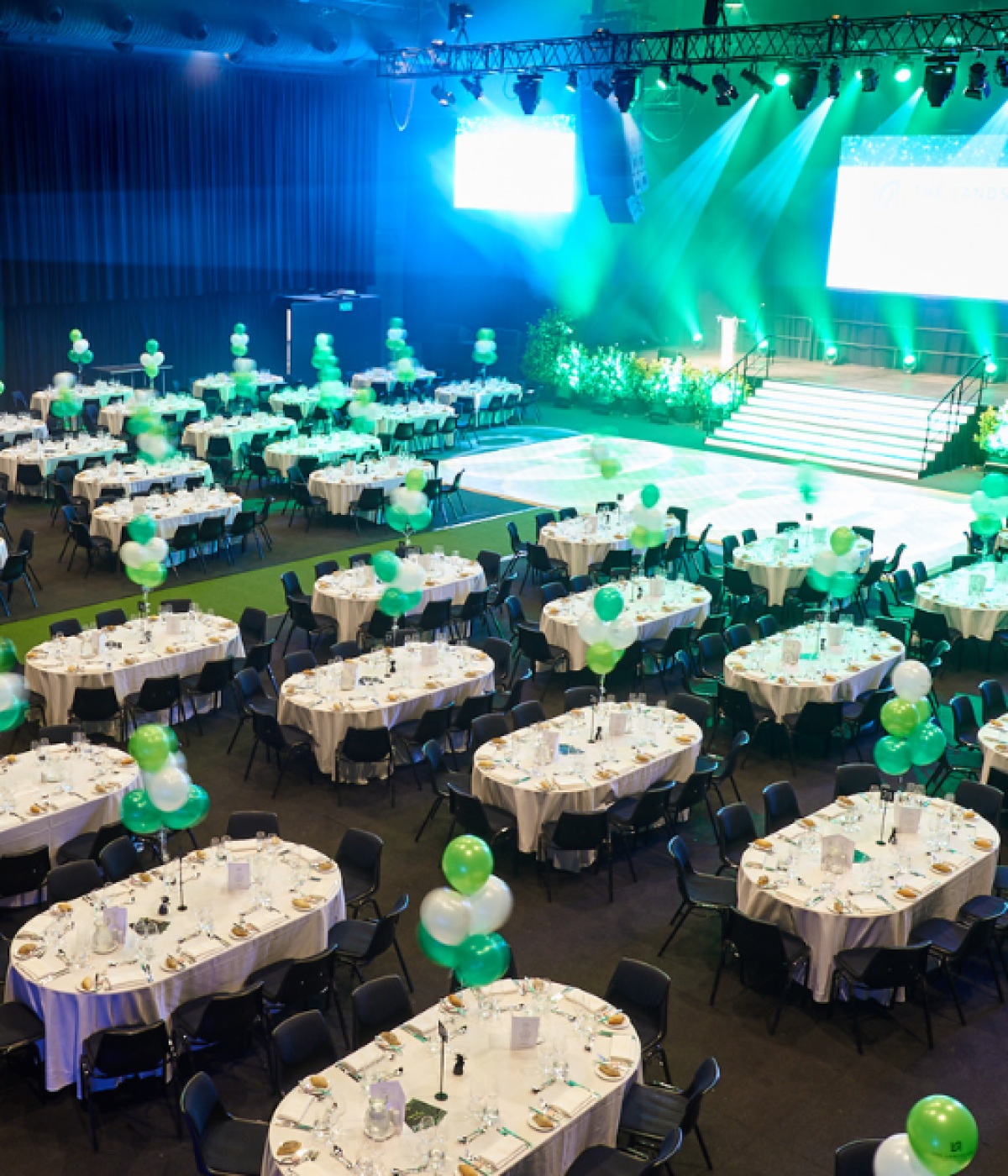
Venue selection impacts audience mood, the brand’s perception, production possibilities and social media aesthetics
7. Design Immersive Experiences
Modern product launches are becoming highly experience-driven.
Instead of simply displaying products, brands now create:
- Interactive installations
- Live demonstrations
- Immersive walkthroughs
- Experience zones
- AR and VR activations
The more interactive the experience feels, the more memorable the launch becomes.
Credits: https://in.pinterest.com/pin/968414726131270986/
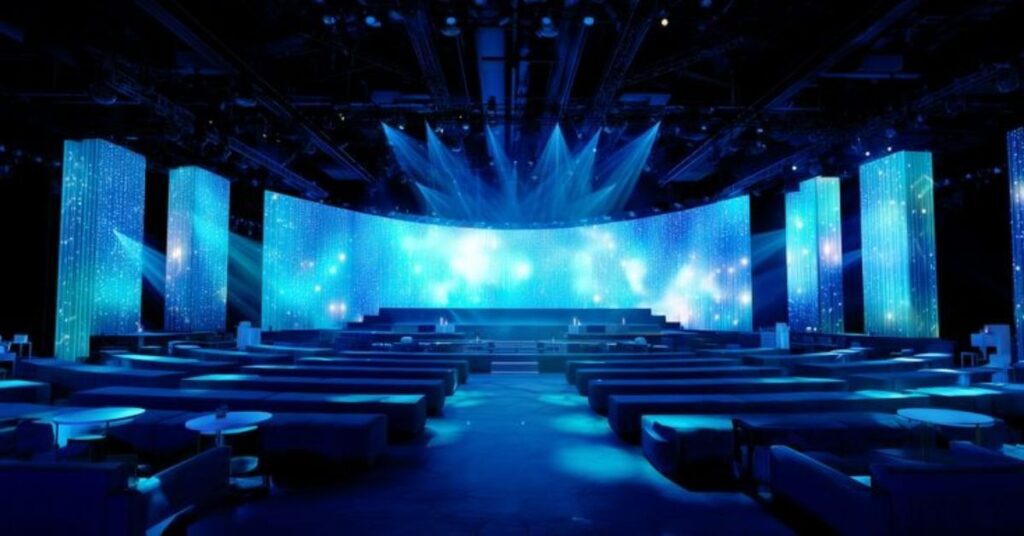
8. Focus on Audio-Visual Production
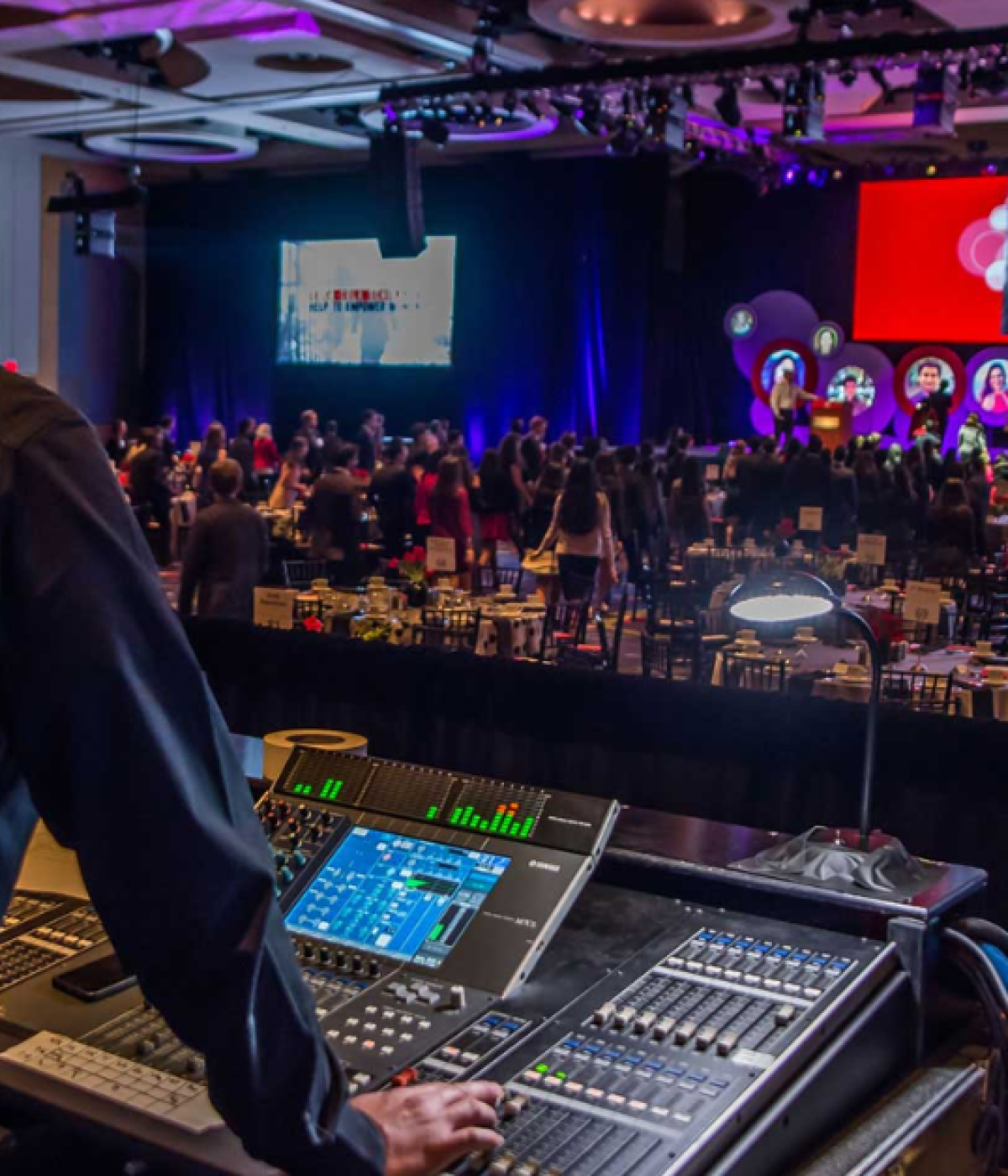
Strong AV production can completely transform a launch event.
Important elements include:
- Stage lighting
- LED displays
- Sound quality
- Reveal timing
- Visual storytelling
A weak AV setup can reduce the emotional impact of even a great product reveal.
9. Create Social Media Moments
The best launch events are designed for sharing.
Brands now intentionally include:
- Instagrammable installations
- Live social walls
- Hashtag campaigns
- Interactive photo booths
- Creator friendly setups
If attendees naturally want to post about the event, your launch gains organic reach instantly.
10. Keep the Audience Engaged
One common mistake in launch events is making presentations too long or overly technical.
Instead:
- Keep presentations dynamic
- Mix demos with storytelling
- Add audience interactions
- Include entertainment or surprise moments
People remember energy more than information overload.
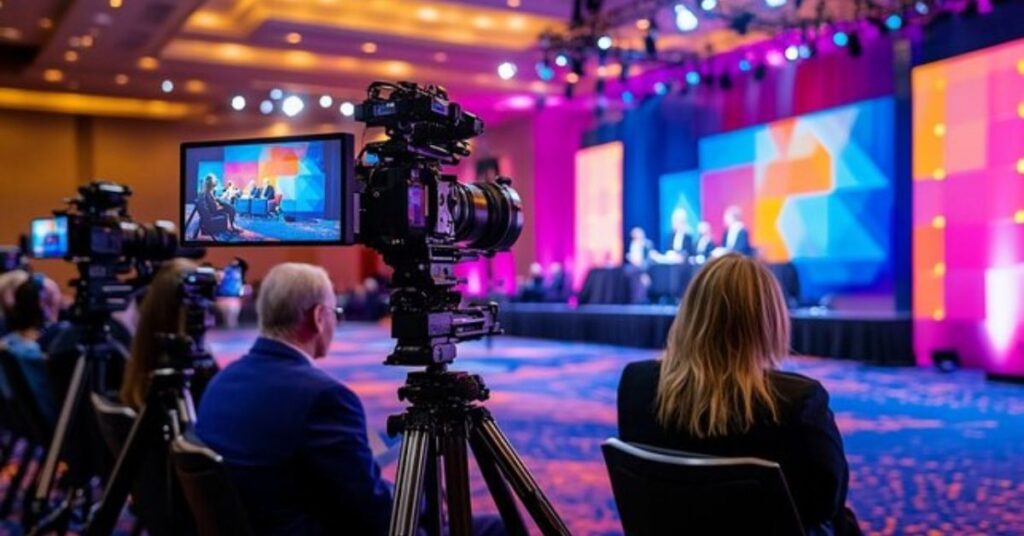
11. Capture Content in Real Time
Your event content shouldn’t end when the event ends.
During the launch, teams should actively capture:
- Videos
- Reels
- Testimonials
- Product demos
- Behind-the-scenes footage
- Crowd reactions
This content becomes valuable marketing material for weeks afterward.
Credits: https://t3.ftcdn.net/jpg/11/52/83/94/360_F_1152839439_BfqiQT7SgcECnx8Ujh08wpnJOIGJpsGX.jpg
Also Read: Top corporate event venues in Mumbai for conferences and launches
Phase 3: Maintaining Momentum After the Launch
A lot of brands make the mistake of treating the event as the finish line.
In reality, the post-launch phase is where long-term momentum happens.
12. Continue the Story Online
After the event:
- Share highlight videos
- Post launch recaps
- Release behind-the-scenes footage
- Publish audience reactions
- Share media coverage
The goal is to extend the excitement beyond the physical event.
13. Use Retargeting and Follow-Ups
People who attended or engaged with the launch are already warm audiences.
Follow up with:
- Email campaigns
- Product offers
- Demo bookings
- Personalized communication
- Social retargeting ads
This helps convert excitement into actual business results.
14. Encourage User-Generated Content
One of the strongest forms of marketing after a launch is audience-created content.
Encourage attendees and creators to:
- Post reviews
- Share experiences
- Upload unboxings
- Create tutorials
People trust authentic audience reactions more than polished advertisements.
15. Measure the Success of the Launch
A successful product launch should always be measurable.
Track metrics like:
- Media mentions
- Social engagement
- Website traffic
- Product inquiries
- Sales conversions
- Event attendance
- Influencer reach
This helps brands understand what worked and improve future launches. ()
Common Mistakes Brands Make
- Focusing Only on the Event
- Revealing Too Much Too Early
- Ignoring Digital Audiences
- Forgetting Post-Event Marketing
Why Product Launches Are Becoming More Experience-Driven
Modern audiences are overwhelmed with information and advertising.
That’s why people now respond more strongly to experiences, emotions, storytelling and
personal interaction
Successful launch events create feelings, not just announcements.
And honestly, that’s what makes certain launches unforgettable while others disappear within days.
Final Thoughts
Product Launch Event Planning today is about much more than organizing a stage reveal.
It’s about building anticipation before the launch, creating emotional engagement during the event, and sustaining momentum afterward through storytelling and digital amplification.
Because the most successful product launches don’t just introduce products.
They create moments people remember, talk about, and want to be part of long after the event is over.