Corporate events rarely fail because of one dramatic mistake. More often, problems begin much earlier: employees do not know what is happening, teams receive different information, speakers miss deadlines, managers make assumptions, and important updates get buried in long email threads.
That is why a strong internal communication plan for corporate events is just as important as the venue, agenda, guest list, or production schedule. Good corporate event communication keeps everyone aligned before the event, confident during it, and informed afterwards. It reduces confusion, protects the attendee experience, and helps every internal team understand exactly what they need to do.
For event managers, HR teams, internal communications professionals, and corporate marketing teams, this means treating communication as part of the event infrastructure rather than a final promotional task. The clearer the internal communication framework is, the easier it becomes to coordinate people, manage expectations, maintain consistency, and deliver a corporate event that feels organised from the inside out.

Why Internal Communication Can Make or Break a Corporate Event
A corporate event involves many moving parts. Marketing may be handling promotions, HR may be coordinating employees, leadership may be preparing speeches, operations may be managing vendors, and the event team may be controlling the schedule. If these teams are working with different versions of the same information, even a well-funded event can quickly become chaotic.
An effective internal communications strategy creates one shared understanding of the event. It makes the objective, timeline, responsibilities, deadlines, audience, and key messages visible to everyone involved.
Good communication also creates confidence. When employees and internal stakeholders understand what is happening and what is expected of them, they collaborate better and respond faster when decisions need to be made.
Also read – 7 Smart Parking Innovations Transforming Commercial Developments
Start With the Purpose, Not Just the Event Announcement
One of the most common mistakes in corporate event communication is announcing the event before clearly defining why it exists. A date and venue may create awareness, but they do not necessarily create alignment.
Every internal communication plan should begin with the event purpose. Is the goal to educate employees, celebrate performance, launch a product, strengthen company culture, generate sales opportunities, align leadership, or build stronger client relationships? The clearer the purpose, the easier it becomes to decide what employees need to know and how the event should be communicated.
A strong event purpose also gives every email, presentation, leadership message, internal post, and employee announcement a consistent direction. Instead of simply telling people that an event is happening, communication begins explaining why participating in it matters.
Give Different People the Information They Actually Need
Not everyone involved in a corporate event needs the same level of detail. Senior leadership may need the event objective, expected outcomes, talking points, and VIP information. Operations teams may require arrival timings, access details, vendor contacts, and contingency plans. Employees may simply need the agenda, venue, dress code, registration instructions, and participation expectations.
A smart internal communication plan for corporate events therefore separates audiences before creating messages. When every employee receives every operational update, important information becomes harder to spot.
When the right people receive the right information at the right time, corporate event planning becomes considerably more efficient and employees are less likely to overlook important actions.
Create One Reliable Source for All Event Information
Corporate event communication becomes difficult when information is scattered across emails, WhatsApp groups, spreadsheets, presentation decks, internal chat messages, and verbal conversations. People begin working from outdated versions, and even small changes can create unnecessary confusion.
The best internal communications strategy establishes one central source of truth. This could be an internal event page, shared document, project management platform, intranet space, or approved event master file.
It should contain the latest agenda, timings, responsibilities, contact details, venue information, travel guidance, speaker requirements, important deadlines, and relevant event documents. Everyone involved should know where the most current version of event information can be found.

Build Your Corporate Event Communication Around the Timeline
An internal communication plan should not consist of one event announcement followed by a flood of reminders. Communication works better when it follows the event planning timeline and gives people information when they are actually ready to use it.
Early communication can focus on the event purpose, date, audience, and expectations. As the event approaches, communication can become more practical, covering registration, travel, agenda highlights, speaker information, access instructions, and individual responsibilities.
In the final days before the event, messages should become shorter and more action-oriented. Employees usually do not need another long introduction at this stage; they need to know where to arrive, when to arrive, what to carry, and whether anything has changed.
Make Internal Event Messages Easy to Read and Act On
Internal event emails often fail because they try to communicate too much at once. Long paragraphs, multiple attachments, vague subject lines, and unclear calls to action can make employees postpone reading a message until later.
Effective internal communication is written for busy people. Each event update should quickly answer the most important questions: What has changed? What do I need to know? What am I expected to do? When is the deadline?
Simple language does not make corporate communication less professional. In fact, clear communication often sounds more confident because it removes unnecessary wording and helps employees understand the message immediately.
Use Leadership Communication to Give the Event More Meaning
Leadership communication can dramatically improve employee engagement at corporate events. A message from a CEO, department head, business leader, or event sponsor can explain why the event matters in a way that a standard operational email cannot.
This is particularly useful for leadership summits, company town halls, annual meetings, internal conferences, transformation programmes, and employee engagement events. Employees are more likely to see an event as important when leaders connect it to the organisation’s larger goals.
A short leadership video, personal note, internal post, or opening message may be enough. The leadership communication can build context and excitement, while the event team handles registration, timings, travel details, and other operational communication separately.
Keep Cross-Functional Teams Aligned Behind the Scenes
Successful corporate events require disciplined communication among multiple internal teams. Marketing, HR, finance, sales, operations, leadership, IT, security, hospitality, and external agencies often depend on one another to complete different parts of the event.
Regular internal event communication helps teams identify dependencies before they turn into problems. A change in the agenda may affect production. A speaker change may affect marketing. A revised guest list may affect registration, catering, security, and seating.
Internal coordination meetings should therefore focus on decisions, changes, risks, responsibilities, and deadlines rather than repeatedly reviewing the entire event plan. This makes event meetings more useful and improves accountability across teams.

Choose Your Internal Communication Channels Carefully
Email is useful, but it should not automatically become the answer to every corporate event communication requirement. Different communication channels work better for different types of information.
Email works well for formal announcements, confirmations, and information employees may need to find later. Internal chat platforms work better for fast operational updates. Calendar invitations are essential for attendance and timing, while intranet pages or shared workspaces can become the central location for event information.
A strong internal communication plan does not use more channels simply to appear comprehensive. It uses fewer channels more clearly so employees understand where they should look for different types of information.
Prepare Your Communication Plan for Last-Minute Changes
Corporate events almost always involve changes. A speaker may arrive late, a room may change, a session may run over time, technology may fail, or unexpected weather may disrupt travel.
The corporate event communication plan should account for these possibilities before the event begins. Teams should know who has the authority to approve an update, who needs to receive the information, which communication channel should be used, and who is responsible for communicating the change to attendees.
Without an agreed process, multiple people may send conflicting messages during a stressful situation. A clear communication structure makes it easier to respond quickly while keeping the event experience professional.
Turn Employees Into Confident Event Advocates
Employees are often one of the most influential communication channels around a corporate event. They speak with clients, partners, speakers, guests, colleagues, and sometimes their own social media audiences.
Internal communication should therefore give employees enough context to talk about the event confidently. This might include the event theme, key speakers, business purpose, important announcements, social media guidance, or answers to common questions.
When employees understand the story behind the event, their conversations become more natural and authentic. This can be particularly valuable for brand events, conferences, exhibitions, product launches, recruitment events, and other customer-facing corporate experiences.
Do Not Let Communication Stop When the Event Starts
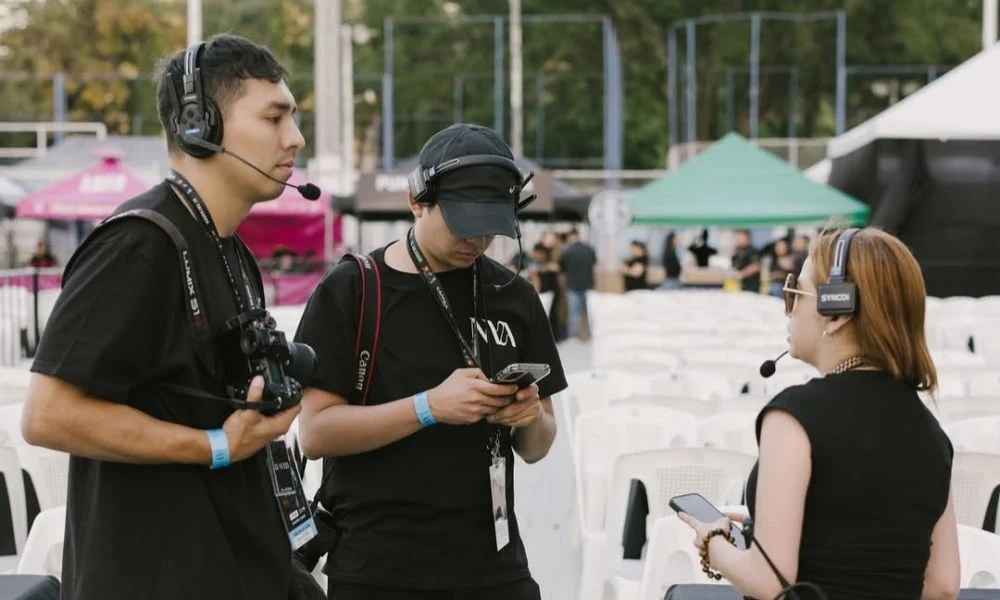
Many internal communication plans become unusually quiet once the actual event begins. This is a missed opportunity because live event communication is essential for keeping teams coordinated and attendees informed.
During the event, internal updates may cover session changes, speaker arrivals, VIP movement, technical issues, audience flow, media requests, social media opportunities, or changes in the event schedule.
It is useful to establish one dedicated operational communication channel for the core event team. This prevents important information from getting lost among unrelated conversations and makes real-time event management communication much easier.
Post-Event Communication Should Go Beyond a Thank You Message
The corporate event communication strategy should continue after the final session ends and the last guest leaves. A thoughtful post-event communication plan helps the organisation capture more value from the time, money, and effort invested in the event.
Employees can receive event highlights, important announcements, presentation links, photographs, recordings, survey requests, and follow-up actions. Leadership may need a more strategic event report covering attendance, engagement, outcomes, audience feedback, and business impact.
Post-event communication also keeps the energy of the event alive. Instead of allowing the experience to disappear the next morning, organisations can use follow-up content to reinforce key messages and encourage employees to act on what they learned.
Measure Whether Your Internal Communication Actually Worked
A good internal communication plan for corporate events is not complete until its effectiveness has been reviewed. Email open rates alone do not tell the entire story. The more important question is whether employees understood the communication and acted on it.
Event teams can examine registration completion, response times, missed deadlines, employee questions, attendance, survey feedback, operational errors, and recurring points of confusion. If hundreds of people asked where to register despite receiving an email, the communication probably was not clear enough.
These insights help improve future corporate event communication strategies and reveal which channels, messages, and timings are most effective for the organisation.
The Best Internal Communication Often Feels Invisible
When an internal communication plan for corporate events works well, people rarely stop to admire it. They simply know where to go, what to do, when to arrive, who is responsible, and what the event is trying to achieve.
That is the real value of effective corporate event communication. It removes unnecessary friction so employees, leaders, organisers, speakers, and attendees can focus on the actual event experience.
A strong internal communications strategy is not about sending more messages. It is about creating clarity throughout the entire corporate event planning process. When purpose, timing, communication channels, responsibilities, leadership messaging, and post-event follow-up work together, communication becomes one of the most powerful tools behind a successful event.
Final Thoughts: Clear Communication Creates Better Corporate Events
The success of a corporate event begins long before the lights go on or the first guest arrives. It begins with the information people receive, the expectations they understand, and the confidence they have in the event plan.
An effective internal communication plan brings structure to a complex event environment. It keeps teams aligned, improves employee engagement, reduces avoidable mistakes, supports faster decision-making, and helps create a more professional experience for everyone involved.
For companies organising conferences, annual meetings, corporate retreats, leadership events, product launches, town halls, employee engagement programmes, and business events, internal communication should never be treated as an afterthought. It is an important part of the overall corporate event strategy.
When people understand the purpose, know their role, and have access to the right information at the right time, corporate events become easier to manage, more engaging to attend, and far more effective.