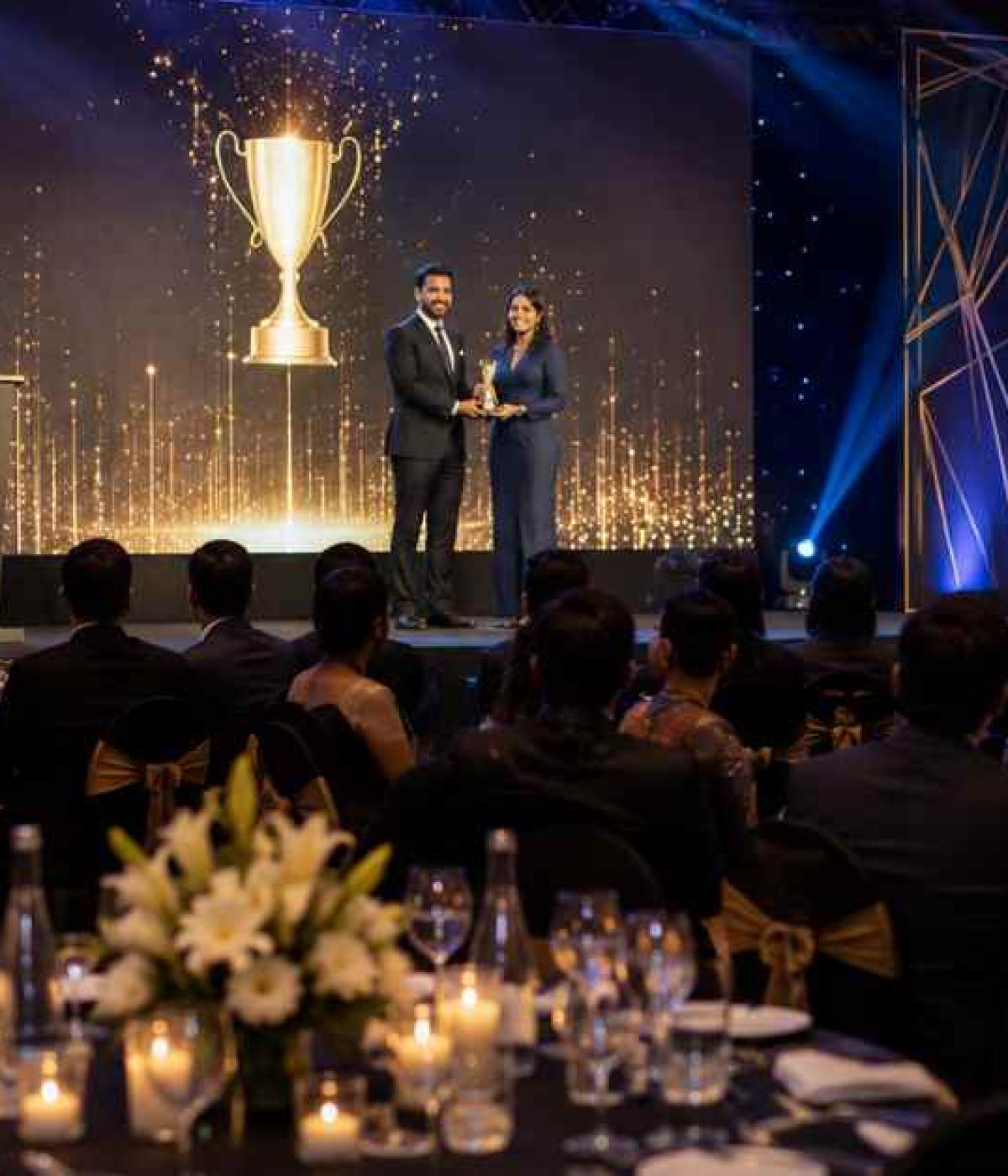
In 2026, corporate events are evolving beyond traditional conference halls and generic décor concepts. Businesses are now investing in immersive design strategies that combine architecture, technology, sustainability, and brand storytelling to create unforgettable experiences. From hybrid event environments to biophilic interiors, modern corporate event design is becoming more experiential, intelligent, and emotionally engaging.
Whether it’s a product launch, annual summit, networking gala, or leadership retreat, the future of corporate event design focuses on creating meaningful connections through innovative spatial experiences. In this blog, we explore the top corporate event design trends shaping 2026 and how businesses can leverage them to elevate their brand presence.
Why Corporate Event Design Matters in 2026
Corporate event design is no longer limited to stage backdrops and seating arrangements. Today, it plays a strategic role in audience engagement, brand perception, and attendee experience. Thoughtfully curated event design can influence how people interact, collaborate, and remember a brand.
Modern companies are embracing architectural thinking in event planning by integrating:
- Spatial storytelling
- Interactive environments
- Sustainable materials
- Smart lighting systems
- Personalized guest experiences
- Digital and physical design integration
As businesses compete for attention in a highly visual world, exceptional event design has become essential for standing out.
1. Immersive Experiential Design for Corporate Events
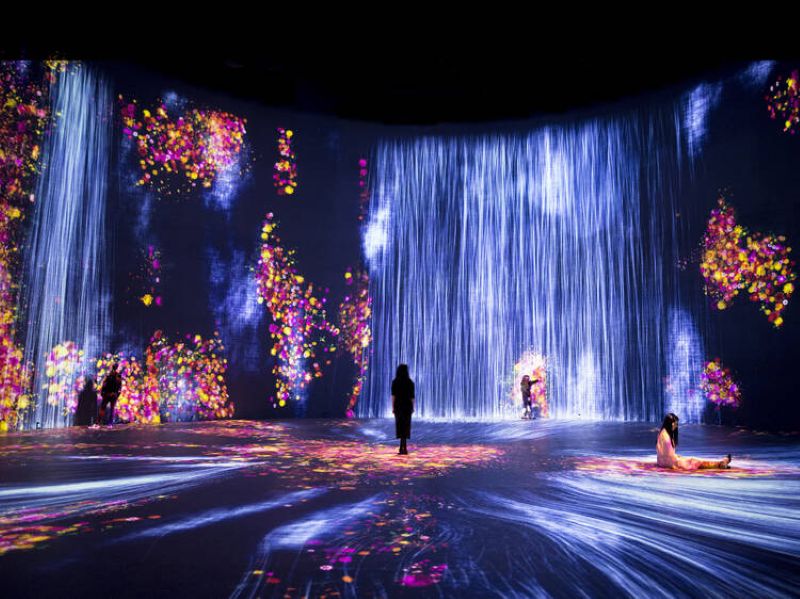
One of the biggest corporate event design trends in 2026 is immersive experiential environments. Brands are shifting from passive presentations to interactive experiences that engage attendees emotionally and physically.
Experiential design incorporates:
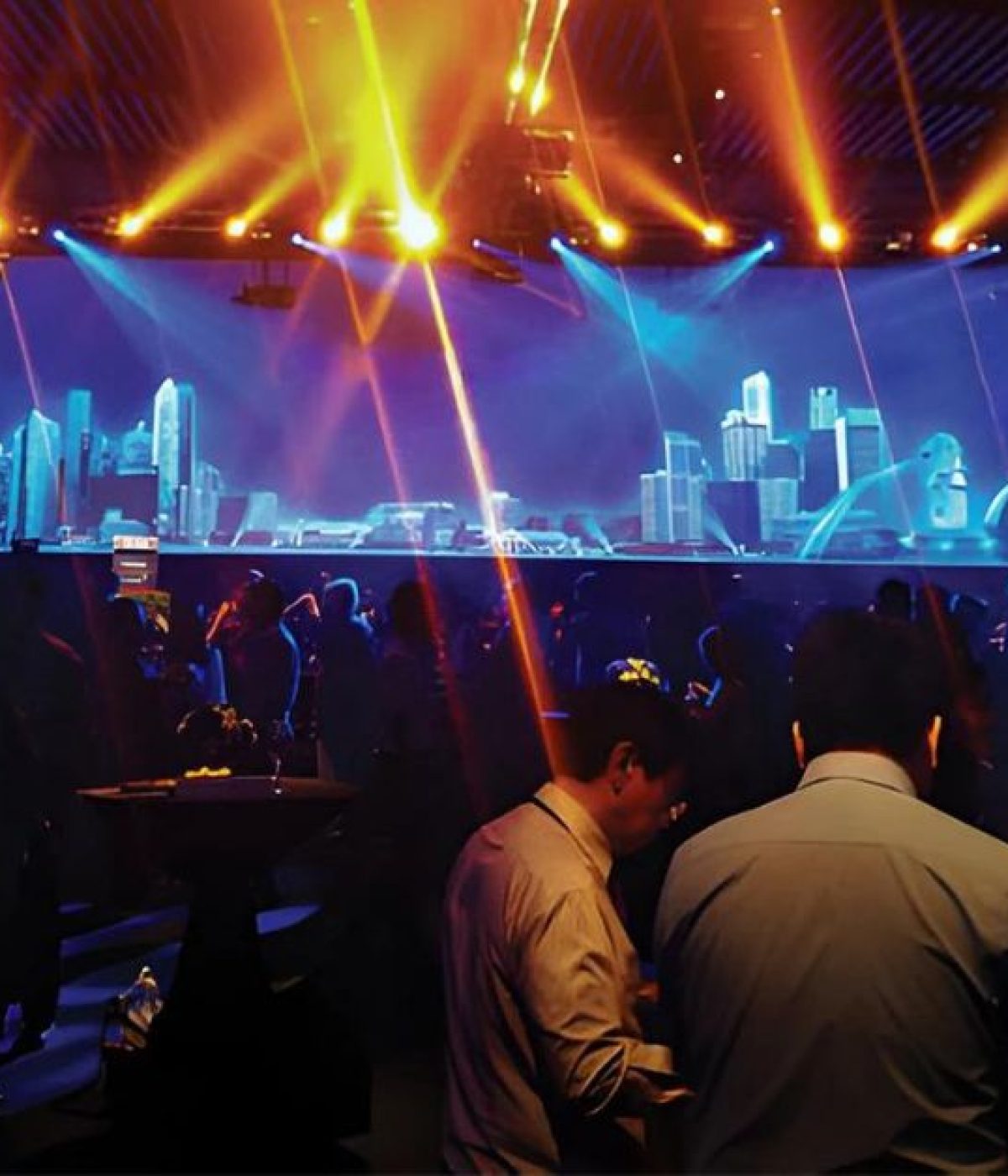
- Projection mapping
- Interactive LED walls
- Motion-responsive installations
- Multi-sensory environments
- Virtual and augmented reality zones
These elements create memorable experiences while reinforcing brand identity. Architectural event design now focuses on how attendees move through spaces and interact with environments rather than simply observing them.
2. Sustainable Event Design Takes Center Stage
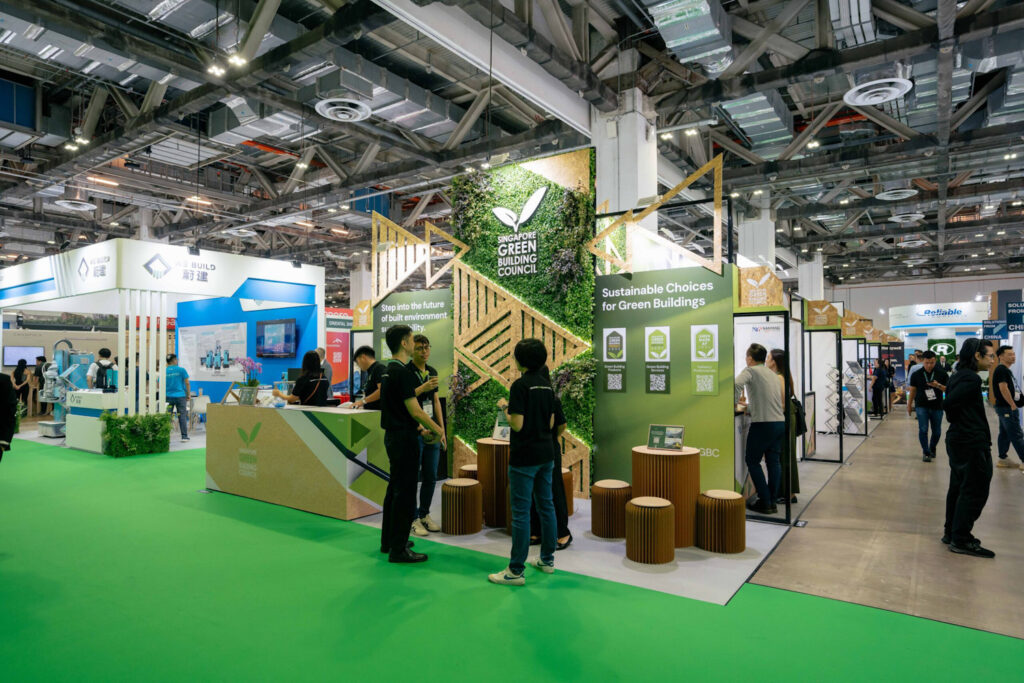
Sustainability continues to dominate the future of corporate event design. Companies are actively reducing environmental impact by adopting eco-conscious materials and reusable installations.
Popular sustainable event design strategies include:
- Modular staging systems
- Recyclable décor materials
- Energy-efficient lighting
- Digital signage instead of printed graphics
- Locally sourced furniture and finishes
- Biodegradable event elements
Sustainable design not only aligns with environmental goals but also enhances brand credibility among eco-conscious audiences.
3. Biophilic Design in Corporate Event Spaces
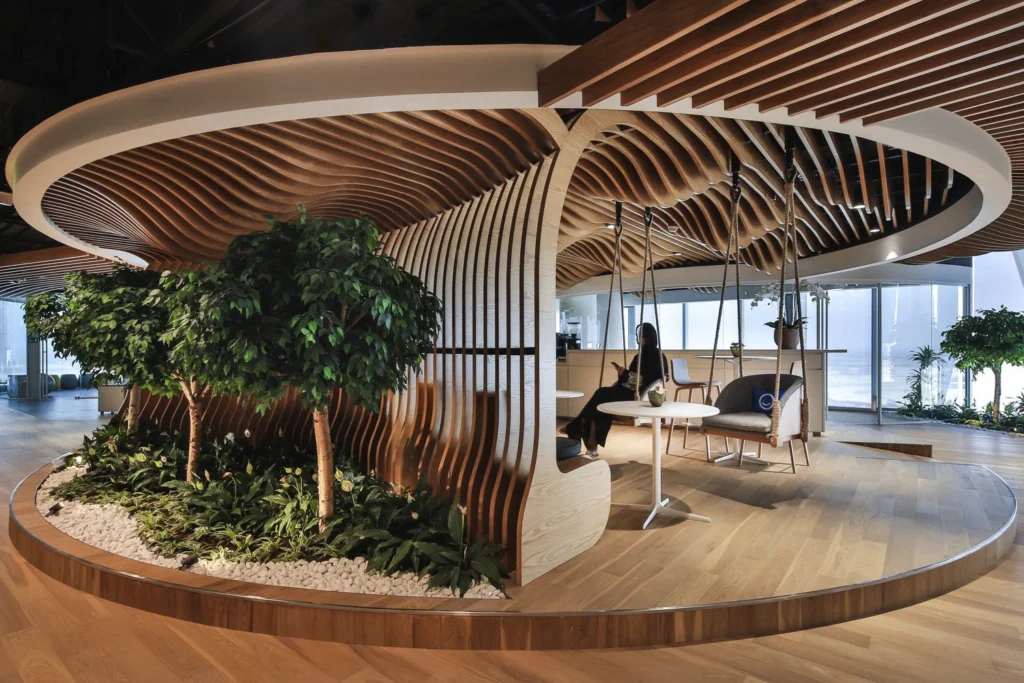
Biophilic design is redefining how corporate event environments feel and function. Inspired by nature, this trend introduces organic textures, greenery, natural lighting, and calming spatial compositions into event venues.
Biophilic event design elements include:
- Living green walls
- Indoor plants and natural landscapes
- Wooden textures and earthy finishes
- Open-air networking zones
- Water-inspired installations
This style of design improves attendee comfort, reduces stress, and encourages meaningful engagement. In 2026, companies are increasingly choosing venues that support wellness-focused event experiences.
4. Hybrid Event Design for Physical and Digital Audiences
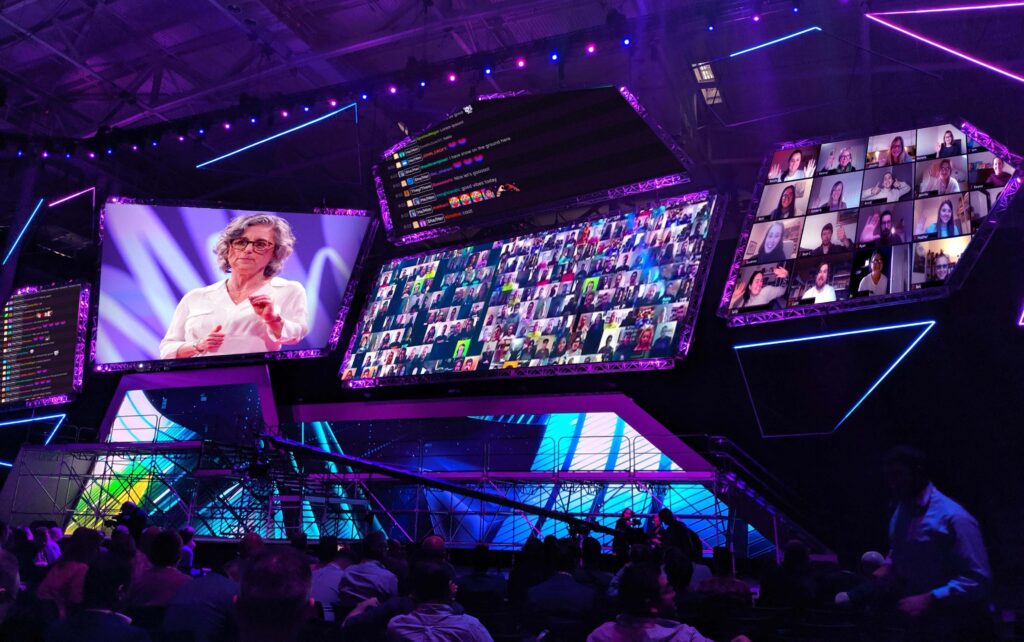
Hybrid event design is becoming a necessity rather than a luxury. Modern corporate events must now cater equally to in-person attendees and virtual participants.
Successful hybrid design focuses on:
- Multi-camera stage layouts
- Broadcast-friendly lighting
- Interactive digital platforms
- Seamless virtual networking zones
- Real-time audience engagement tools
Architectural event design now includes considerations for livestream visibility, camera movement, acoustics, and digital branding integration.
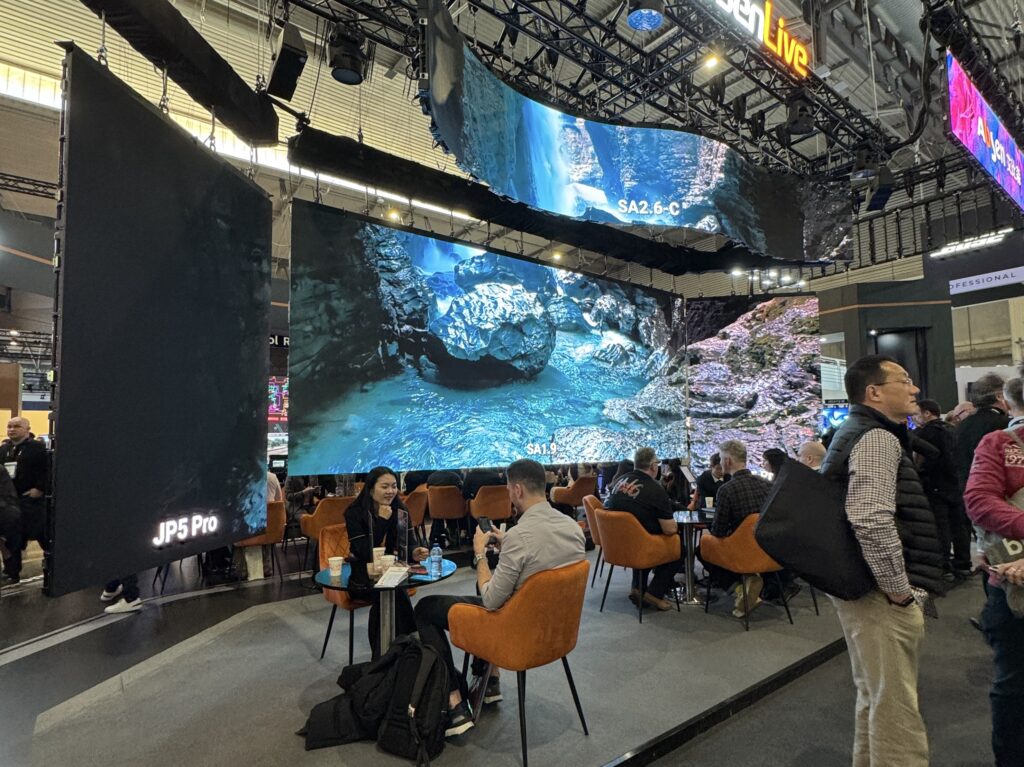
5. Smart Technology Integration in Event Design
Technology-driven design is shaping the future of corporate events in 2026. Smart event systems are being integrated into every aspect of spatial planning and guest interaction.
Trending smart event design technologies include:
- AI-powered attendee personalization
- Automated lighting systems
- Interactive touch displays
- Facial recognition check-ins
- Intelligent wayfinding systems
- Real-time crowd analytics
These innovations improve efficiency while creating a futuristic event atmosphere that reflects innovation and modernity.
6. Minimalist Luxury Design for Corporate Events
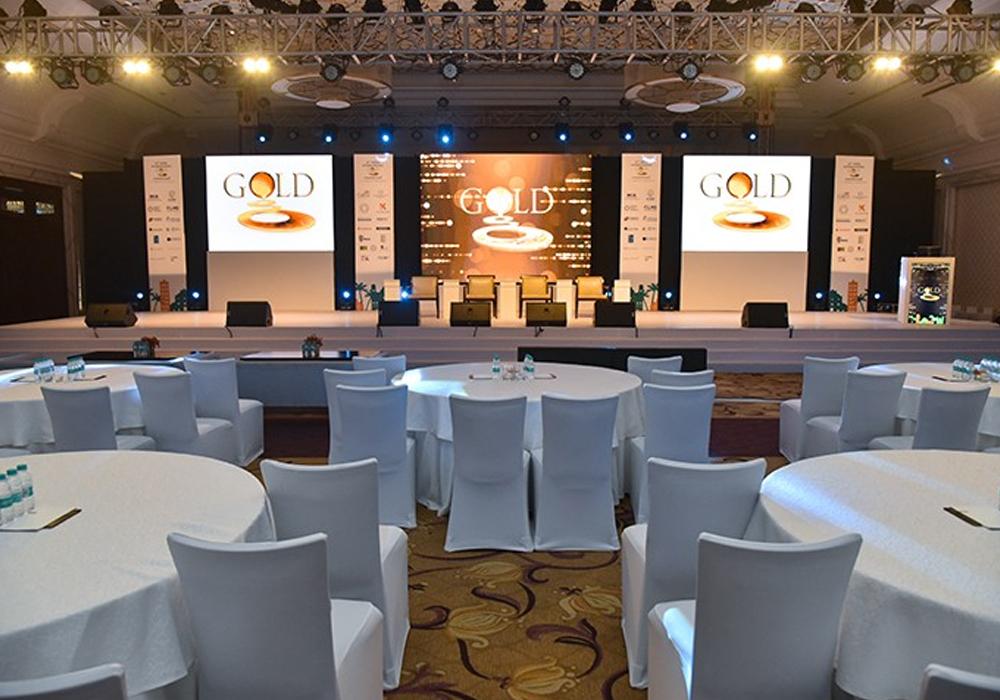
Minimalist luxury is emerging as a dominant aesthetic in corporate event design. Clean architectural lines, premium materials, and understated elegance are replacing overly decorative setups.
Key features of minimalist event design include:
- Neutral color palettes
- Sculptural furniture
- Ambient lighting concepts
- High-quality textures
- Spacious layouts
- Sophisticated branding integration
This refined design approach creates a timeless and professional atmosphere that appeals to modern corporate audiences.
7. Flexible Modular Design Concepts
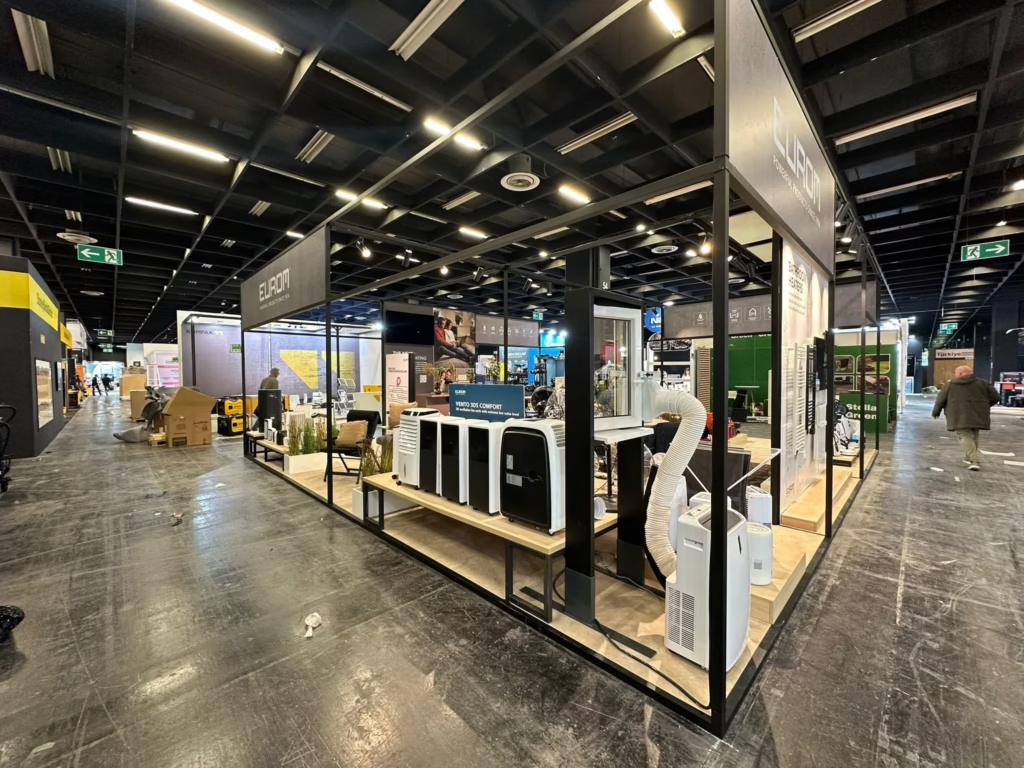
Flexibility is becoming a major priority in event design. Modular systems allow event spaces to adapt quickly for different activities, audience sizes, and experiences.
Modular event design benefits include:
- Faster installation and dismantling
- Cost-effective scalability
- Customizable layouts
- Reusable structural systems
- Multi-purpose functionality
From movable partitions to transformable stage elements, modular design supports dynamic event programming while maximizing spatial efficiency.
8. Personalized Design Experiences for Attendees
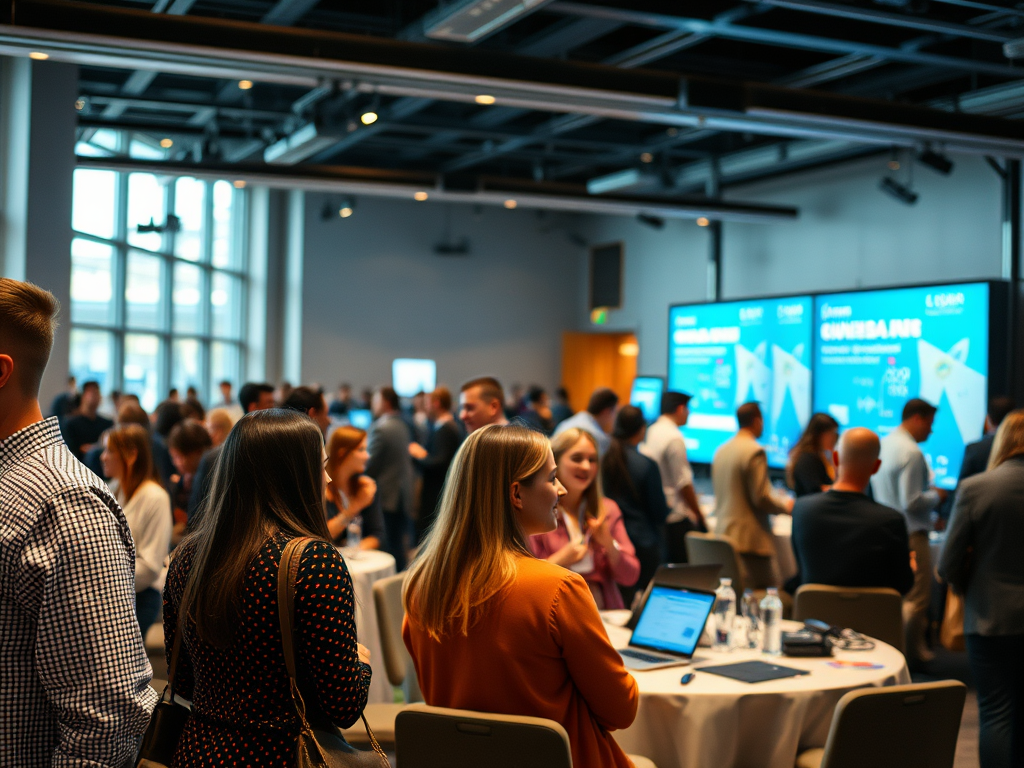
Personalization is influencing every aspect of corporate event design in 2026. Companies are creating tailored experiences that resonate with individual attendees.
Personalized event design strategies include:
- Customized welcome zones
- AI-curated networking experiences
- Branded interactive installations
- Personalized digital interfaces
- Adaptive lighting and sound environments
This human-centric design approach enhances engagement while strengthening emotional connections with the brand.
9. Bold Lighting Design Trends for Corporate Events
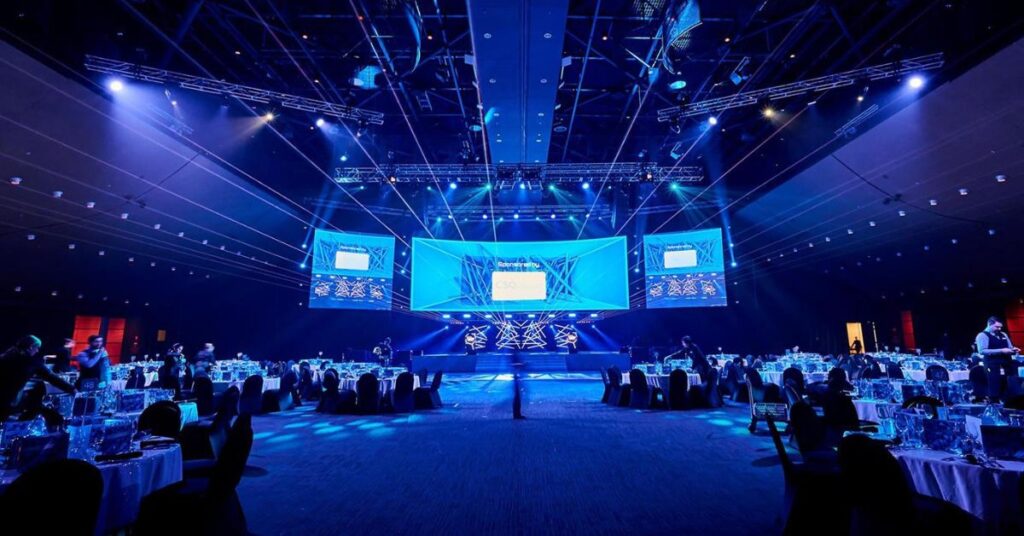
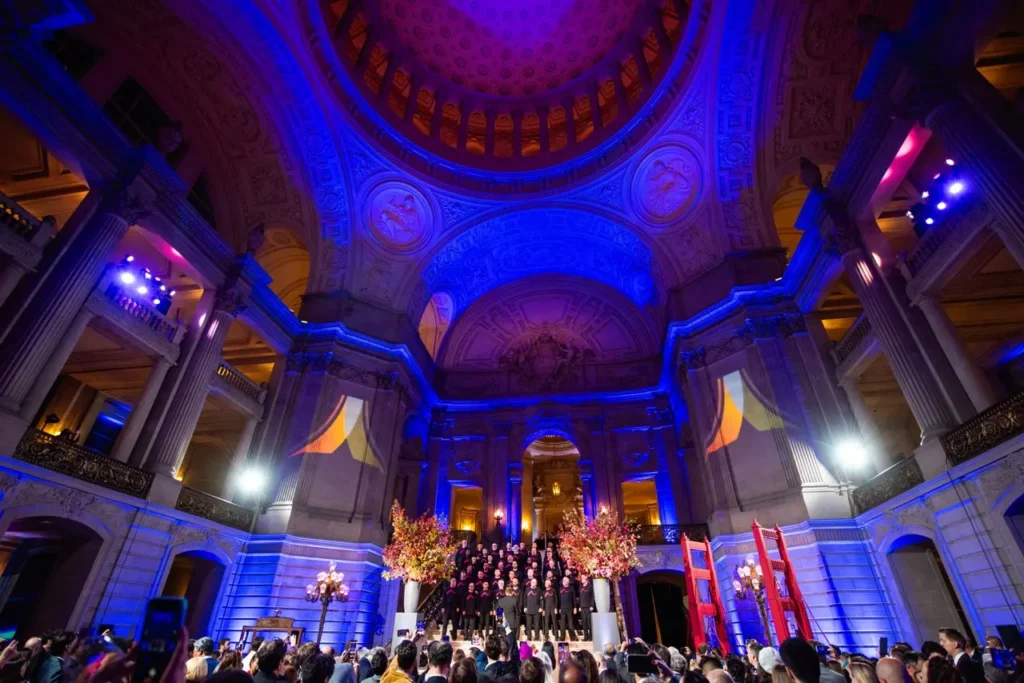
Lighting design has evolved into one of the most powerful storytelling tools in event architecture. Dynamic lighting systems are being used to shape mood, define spatial hierarchy, and create immersive atmospheres.
Trending lighting design techniques include:
- Kinetic lighting installations
- Programmable LED environments
- Color-responsive architectural lighting
- Projection-based storytelling
- Mood-enhancing ambient illumination
In 2026, lighting design is no longer just functional, it is central to the overall event experience.
10. Brand-Centric Spatial Design Strategies
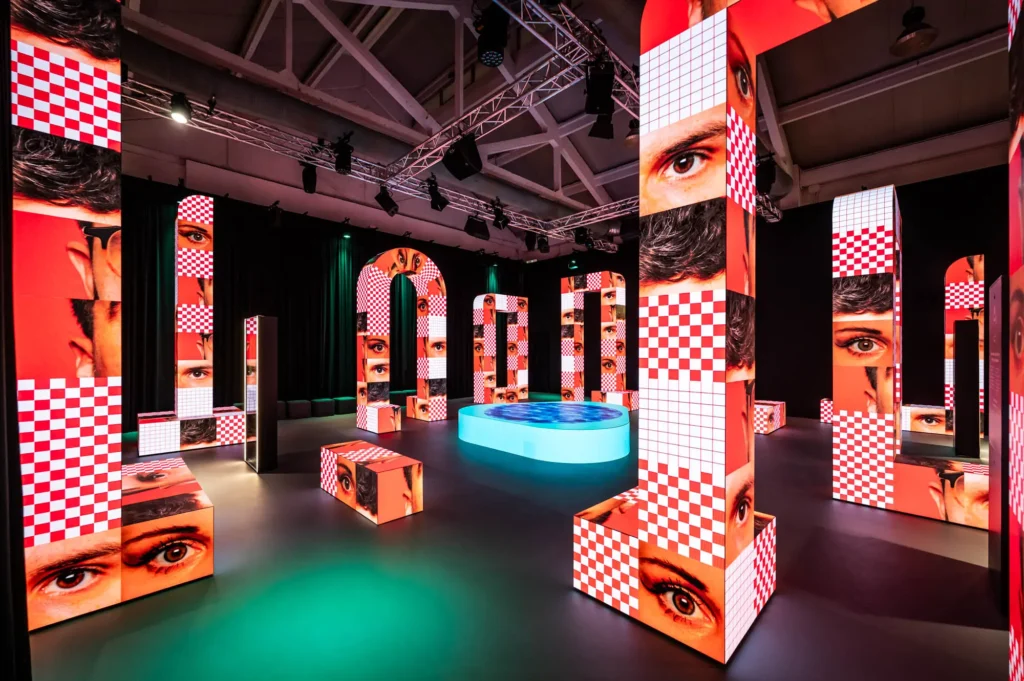
Modern corporate event design focuses heavily on translating brand identity into physical environments. Every design element from furniture to digital displays contributes to storytelling.
Brand-centric event design includes:
- Signature brand color integration
- Custom architectural installations
- Interactive storytelling walls
- Branded experiential zones
- Immersive product showcases
This strategic design approach helps companies create memorable brand impressions that extend beyond the event itself.
The Future of Corporate Event Design
The future of corporate event design lies at the intersection of architecture, technology, sustainability, and human experience. In 2026, successful events are no longer defined solely by attendance numbers but by how effectively they engage audiences and communicate brand values.
As trends continue to evolve, businesses that invest in innovative event design will gain a competitive advantage by delivering experiences that are immersive, memorable, and emotionally impactful. From hybrid environments and biophilic interiors to intelligent technology and sustainable architecture, the next generation of corporate event design is transforming how brands connect with people. Looking for top venues in Mumbai for corporate events? We have the answer to it.
Embracing Innovative Design for Corporate Events in 2026
Corporate event design in 2026 is all about creating experiences that inspire, engage, and connect. Companies are moving toward smarter, greener, and more experiential environments that reflect both innovation and authenticity. By incorporating the latest event design trends, businesses can elevate their corporate gatherings into impactful brand experiences that leave lasting impressions on attendees.
As architectural thinking continues to influence event planning, the role of strategic design will only become more important in shaping the future of corporate events. Looking at so many different types of corporate events one such regarded as the best architectural event known as “FOAID“.