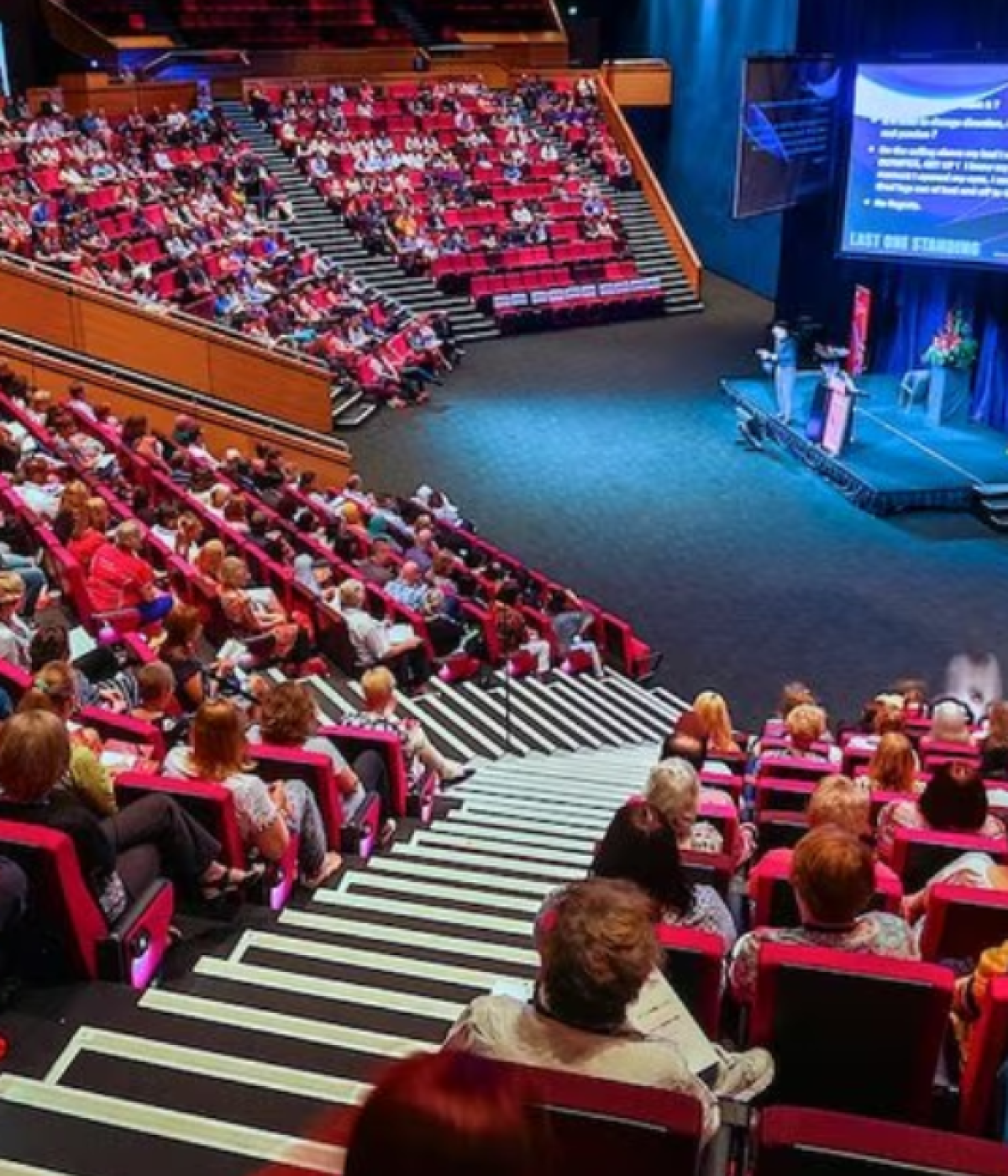
MICE Event Planning Guide strategies have become more important than ever as business events evolve beyond traditional conferences and formal networking sessions. Today, companies are expected to create experiences that are engaging, memorable and strategically aligned with business goals, not just well-organized gatherings.
From international corporate summits and product launches to incentive trips and trade exhibitions, MICE events are now a major part of how brands build relationships, generate leads, strengthen company culture and create industry presence.
But planning a successful MICE event isn’t only about booking a venue and sending invitations. It’s about balancing strategy, attendee experience, logistics, technology and how flawless execution all while making the event feel meaningful for everyone involved.
So whether you’re planning a leadership conference, a destination incentive trip or a large scale exhibition, this guide breaks down everything you need to know about creating impactful business events.
What Is a MICE Event?
MICE stands for:
- Meetings
- Incentives
- Conferences
- Exhibitions
These events are designed primarily for business, networking, learning and corporate engagement purposes.
Examples include:
- Corporate annual meetings
- Dealer meets
- International trade shows
- Employee reward trips
- Product launches
- Industry conferences
The MICE industry plays a huge role in tourism, hospitality and business development globally especially in growing markets like India.
Why MICE Events Matter More Than Ever
Business events today are no longer just informational, they’re experiential.
Companies now use MICE events to:
- Build stronger professional relationships
- Create immersive brand experiences
- Encourage collaboration and network
- Improve employee engagement
- Generate business opportunities
A well-executed MICE event can strengthen brand perception far more effectively than traditional marketing alone.
The Three Pillars of Successful MICE Event Planning
Every successful MICE event is built on three key elements:
- Strategy
- Experience
- Execution
Ignoring even one of these can affect the overall impact of the event.
1. Strategy: Defining the Purpose of the Event
Before planning logistics, the first question should always be, Why are you hosting this event?
Without a clear objective, even the most visually impressive event can fail to deliver results.
Common MICE event goals include:
- Lead generation
- Brand awareness
- Employee motivation
- Investor engagement
- Product education
- Industry networking
Once the objective is clear, every decision from venue selection to programming becomes more focused.
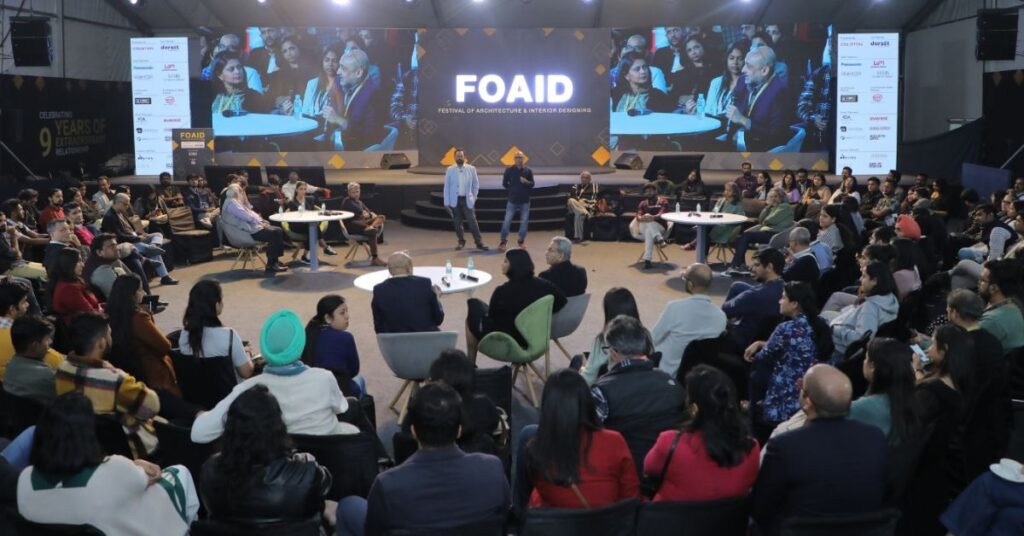
Understanding Your Audience
Not every business audience wants the same experience.
For example:
- Executives may prefer high-value networking opportunities
- Younger attendees may engage more with interactive sessions
- International delegates may value cultural experiences
Understanding attendee expectations helps create events that feel personalized rather than generic.
Credits: https://www.foaidindia.in/festival
Budget Planning and Allocation
One of the biggest mistakes in event planning is spending heavily on aesthetics while underinvesting in attendee experience.
A strong MICE event must have smart budgeting as it’s about prioritizing impact, not just appearance.
2. Experience: Creating Memorable Business Events
People rarely remember schedules or presentations word-for-word. They remember how the event made them feel.
That’s why attendee experience has become central to modern MICE planning.
Designing Engaging Event Journeys
Every attendee interaction matters right from before the event to even after the event.
A seamless experience creates a stronger emotional connection with the event and the brand behind it.
The Role of Technology in MICE Events
Technology has completely transformed business events.
Today’s MICE experiences often include:
- Event apps
- QR-based check-ins
- AI-powered networking tools
- Hybrid event streaming
- Interactive polls and live Q&A
These tools improve convenience while increasing audience engagement.
Credits: https://www.foaidindia.in/festival
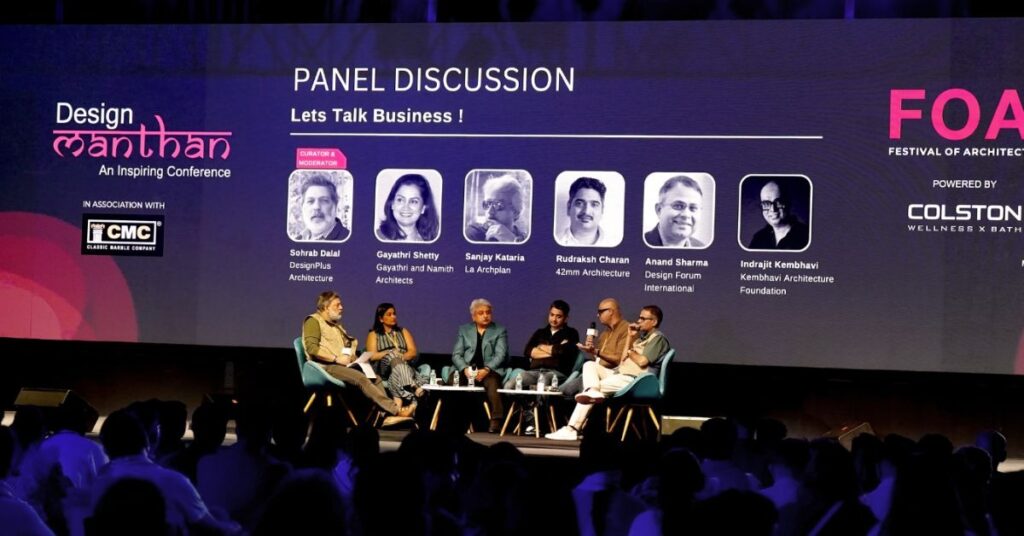
Networking Is the Real Value
For many attendees, networking is the most valuable part of a MICE event.
Good event planning creates opportunities for informal conversations, networking sessions and business matchmaking. The best networking spaces feel natural, not forced.
Personalization Matters
Modern attendees expect personalized experiences.
This could include customized schedules, personalized recommendations or tailored communication. Even small personalization efforts can significantly improve attendee satisfaction.
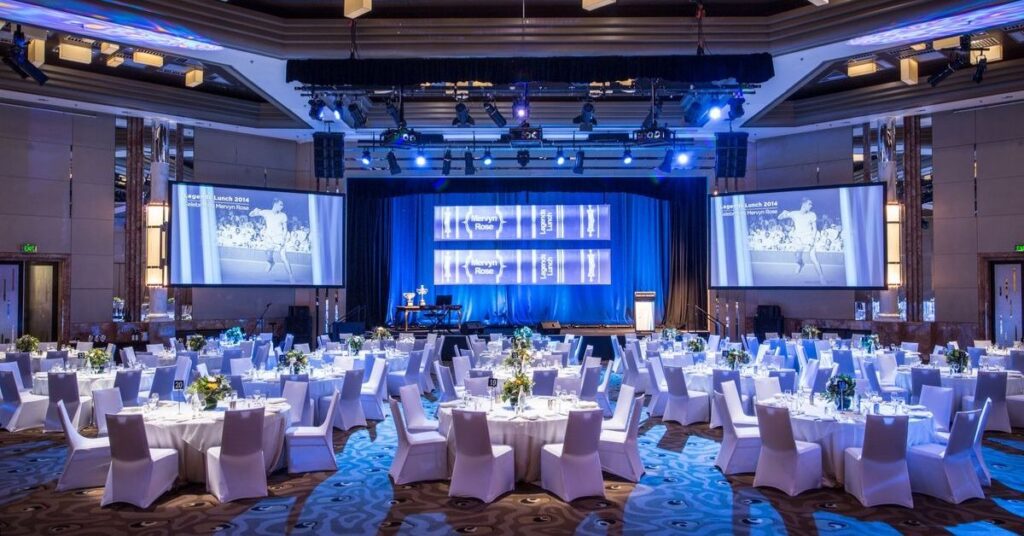
Food, Hospitality and Comfort
Never underestimate how much hospitality shapes event perception.
Things attendees notice immediately:
- Food quality
- Seating comfort
- Waiting times
- Staff behavior
- Cleanliness and accessibility
A professionally managed environment reflects positively on the brand itself.
Credits: https://in.pinterest.com/pin/147141112821108598/
Also Read: Top corporate event venues in Mumbai for conferences and launches
3. Execution: Turning Plans Into Reality
Even the best strategy can fail without smooth execution. Execution is where planning becomes operational.
Venue Selection Is More Strategic Than Ever
The right venue influences accessibility, audience comfort, event flow and brand image.
When selecting a venue, consider transportation access, infrastructure and capacity flexibility The venue should support the event experience, not complicate it.
Building the Right Event Team
Successful MICE events require coordination between multiple teams:
- Event managers
- Production teams
- Hospitality staff
- Technical crews
- Security personnel
- Marketing teams
Clear communication and role clarity are critical during execution.
Rehearsals and Run-Throughs Matter
Many event issues happen because teams skip rehearsals.
Always test audio and visuals. lighting transitions and internet connectivity. A smooth event often looks effortless because of extensive preparation behind the scenes.
Managing Unexpected Challenges
No event goes exactly as planned.
There might be speaker delays, technical failures or even last-minute attendee changes. Good event planners stay flexible and solution-oriented under pressure.
The Rise of Hybrid MICE Events
Hybrid events are now becoming a standard part of the MICE industry.
They allow:
- Physical attendance
- Virtual participation
- Global accessibility
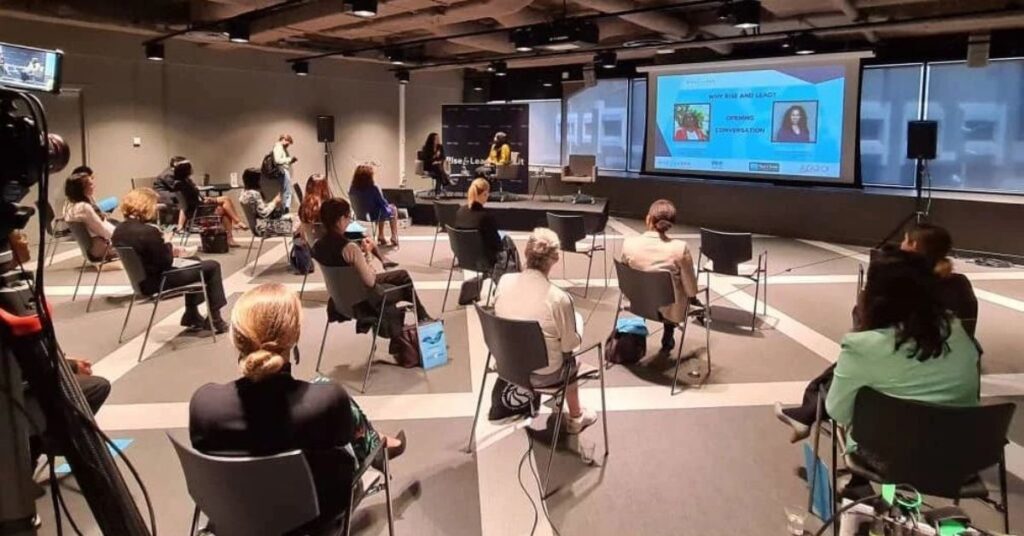
This format expands audience reach while making events more inclusive and scalable.
Credits: https://in.pinterest.com/pin/164170348905872142/
Measuring Event Success
A successful MICE event should always be measurable.
Important metrics include:
- Attendance rates
- Audience engagement
- Lead generation
- Social media reach
- Sponsor satisfaction
- Post-event feedback
These insights help improve future events and demonstrate ROI.
Common Mistakes in MICE Event Planning
- Focusing Only on Visuals
- Overloading the Schedule
- Ignoring Networking Spaces
- Underestimating Technology
Why India Is Emerging as a Global MICE Destination
India’s MICE industry is growing rapidly due to:
- Expanding infrastructure
- International convention centers
- Luxury hospitality growth
- Improved connectivity
- Growing startup and corporate ecosystem
Cities like Mumbai, Delhi, Bengaluru, Hyderabad, Jaipur and Goa are becoming major hubs for business events and conferences.
Final Thoughts
MICE event planning today is about far more than logistics. It’s about creating meaningful business experiences that connect people, ideas, and brands in memorable ways.
The most successful business events are the ones that balance clear strategy, people centric experiences and flawless execution.
Because at the end of the day, attendees may forget the schedule but they’ll always remember how the event made them feel.
And that’s what truly defines a great MICE event.