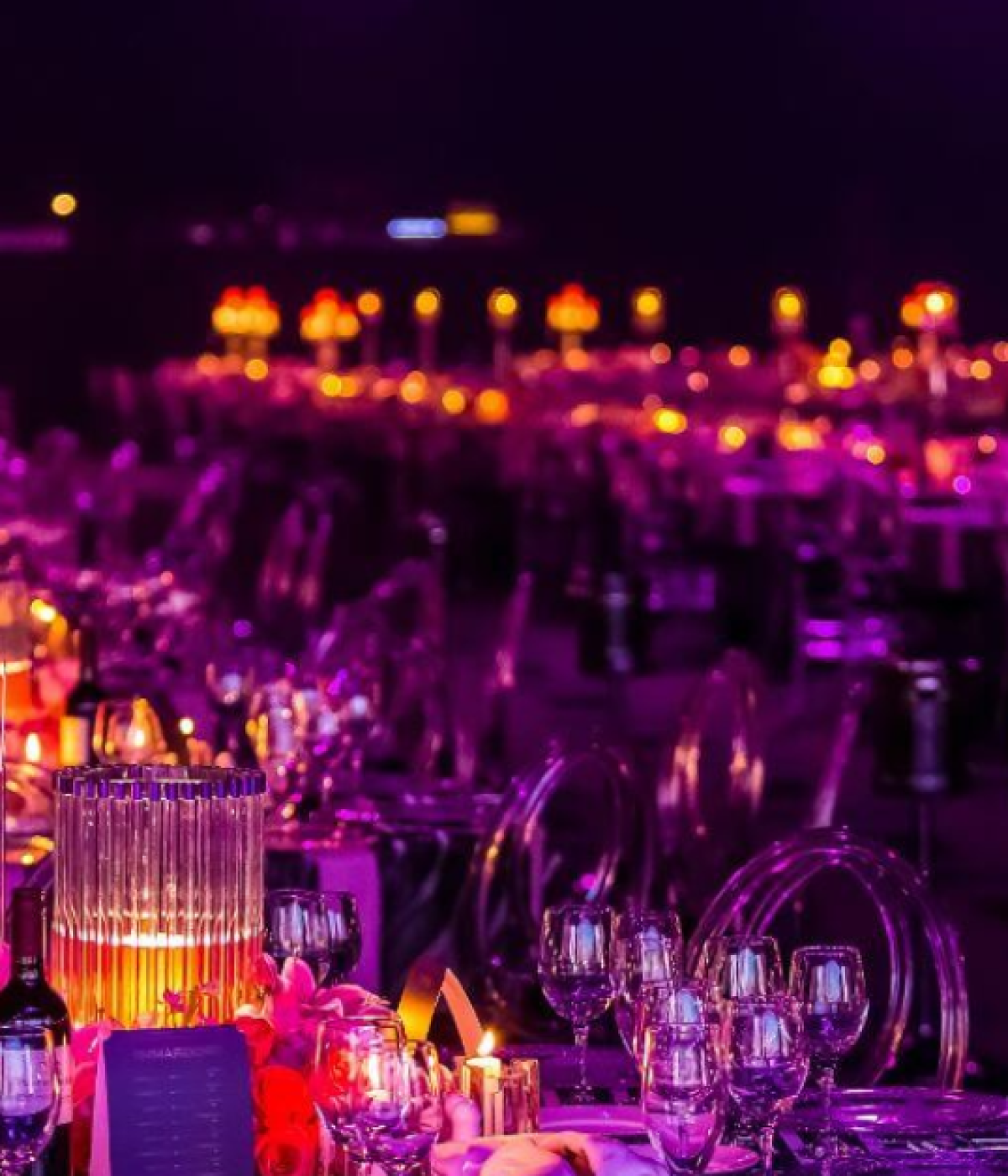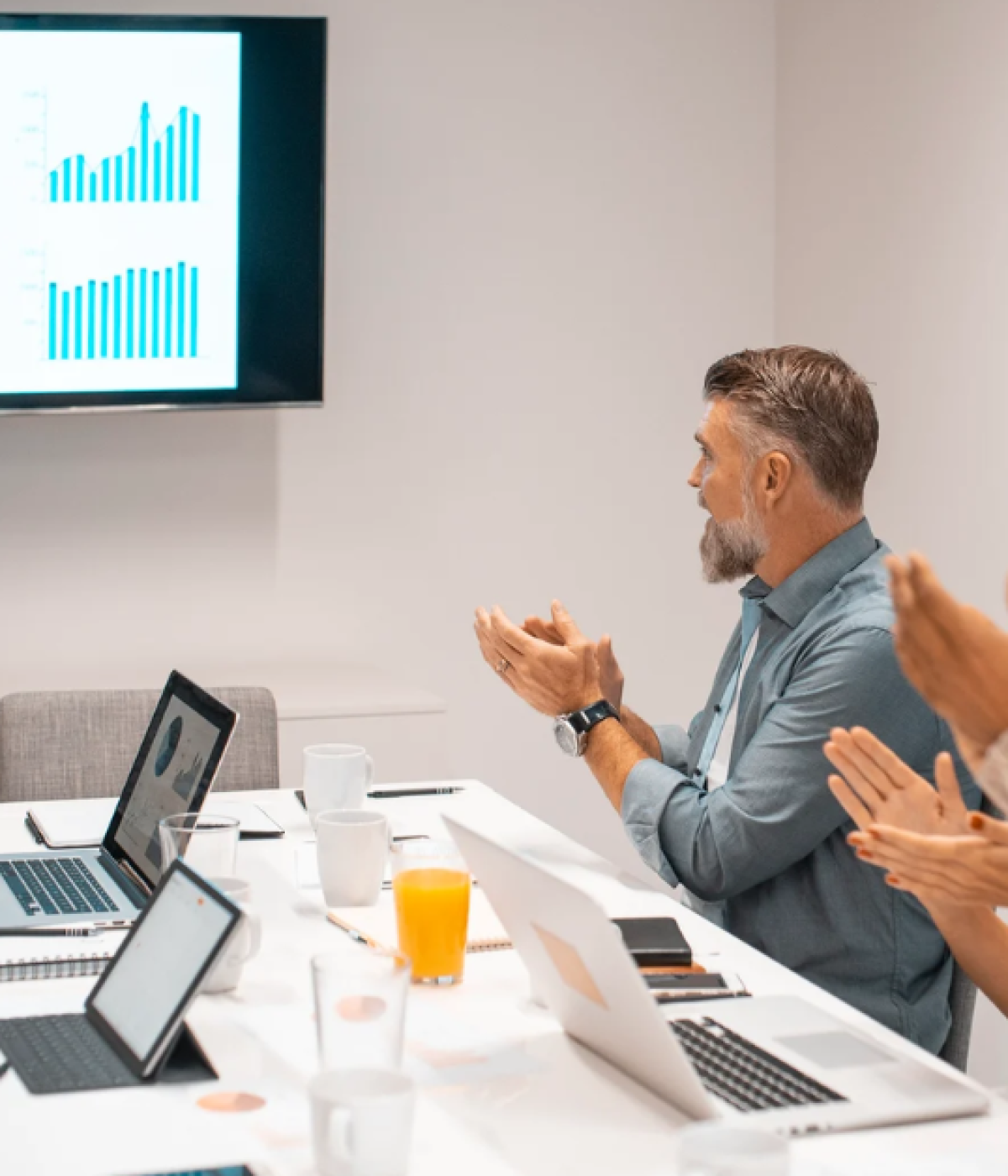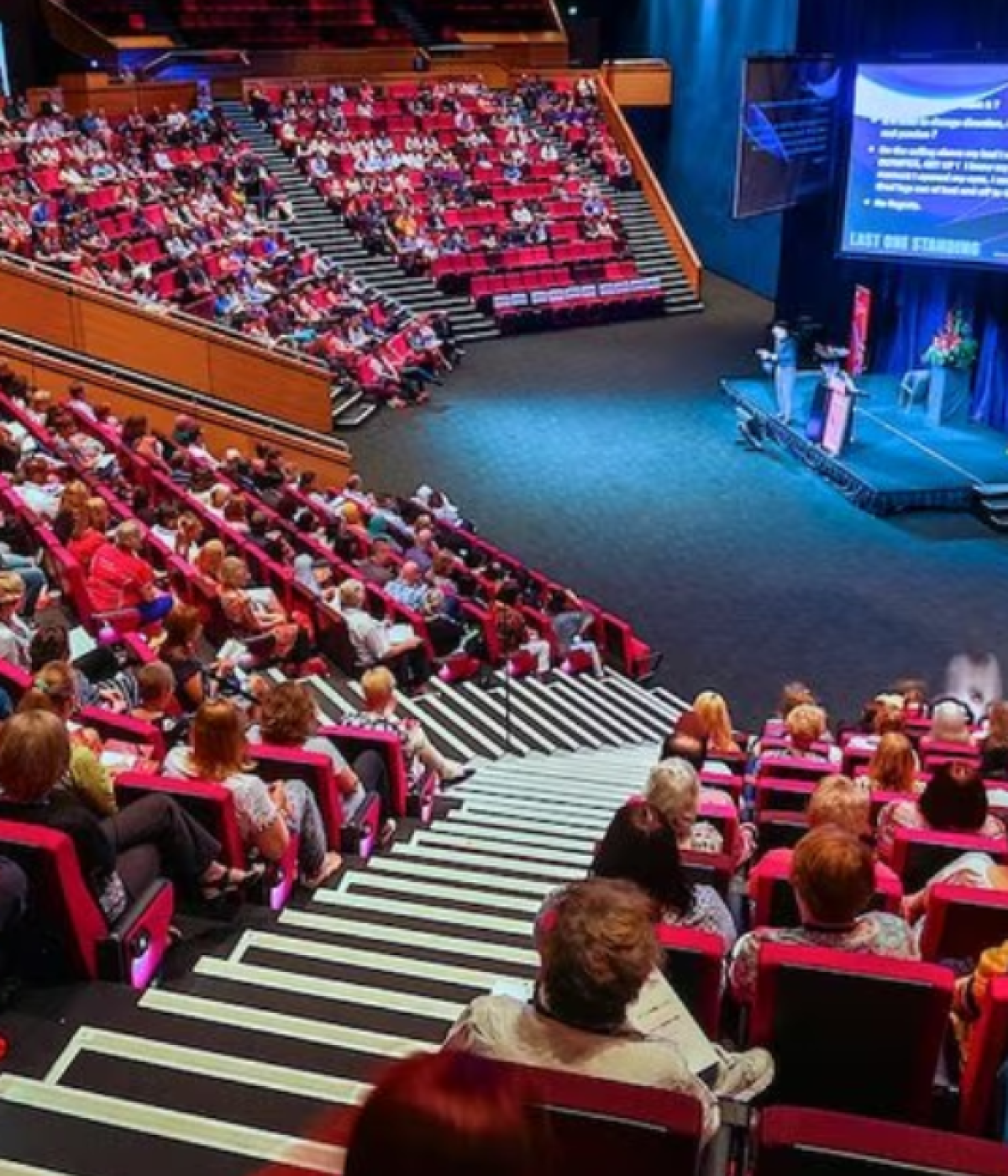
In today’s design world, environmental responsibility is no longer just a trend it has become a necessity. This shift applies to architecture, interior design, exhibitions, and even corporate events. Eco-conscious events and workshops are changing the way companies interact with people and spaces.
People now care not only about aesthetics but also about whether the experiences they attend are environmentally responsible. This is why green event planning is becoming increasingly important in the architecture and interior design industry. From eco-friendly materials to zero-waste workshops, modern event environments prove that impactful experiences can still respect the planet.
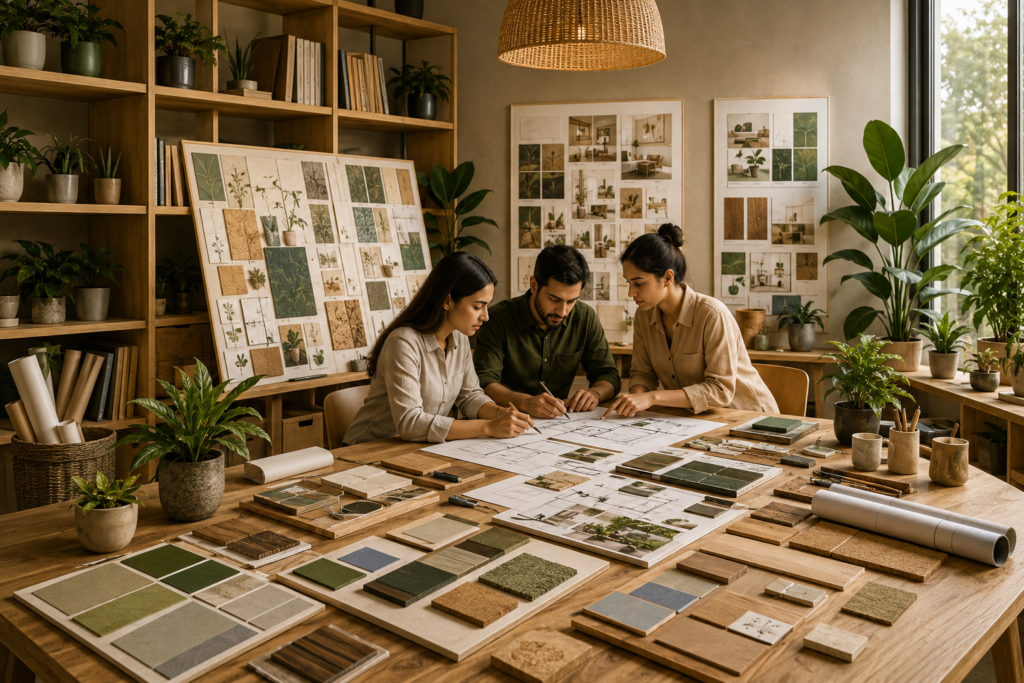
Why Sustainable Design Events Are Becoming the Future of Creative Industries?
The design industry is evolving rapidly. Architects, interior designers, and event planners are all exploring ways to create temporary environments that are visually engaging while reducing environmental impact.
Today, environmentally conscious events are designed to:
- Reduce ecological impact
- Demonstrate environmental responsibility
- Reuse materials and minimize waste
- Encourage responsible practices
- Create healthier experiences for visitors
In many ways, modern event design reflects the future of architecture itself intelligent, adaptable, and environmentally aware.
1. Sustainable Exhibition Design Workshops That Reduce Material Waste
Exhibitions often generate large amounts of waste. Modern exhibition workshops are addressing this issue through modular systems and reusable structures.
Key Features of Sustainable Exhibition Workshops:
- Recyclable materials
- Reusable booth systems
- Multi-use signage
- Eco-friendly printing methods
- Waste-reduction installation techniques
Interior designers are increasingly choosing lightweight, reusable, and locally sourced materials to reduce the environmental impact of temporary exhibitions.
Why Sustainability Exhibition Design Matters?
Eco-conscious exhibition spaces not only reduce waste but also improve how audiences perceive brands that prioritize environmental responsibility.
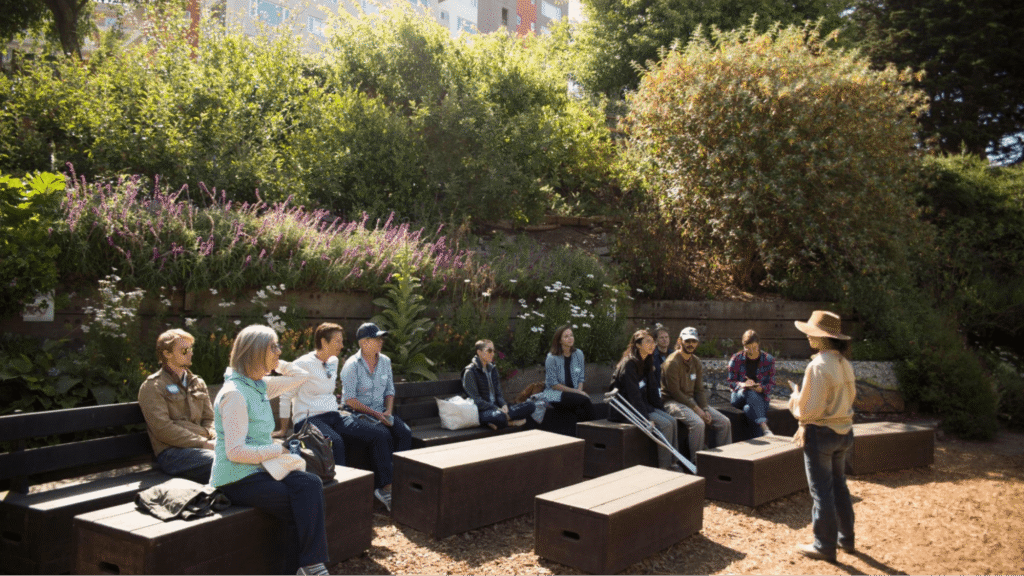
2. Sustainable Interior Design Workshops for Future Creators
As environmental awareness grows in architecture, interior-focused workshops are gaining popularity among emerging designers.
Topics Covered in Sustainable Interior Design Workshops:
- Biophilic design principles
- Environmentally responsible material selection
- Energy-efficient interiors
- Adaptive reuse of old spaces
- Low-carbon spatial planning
These workshops help designers understand how interiors influence both environmental quality and human well-being.
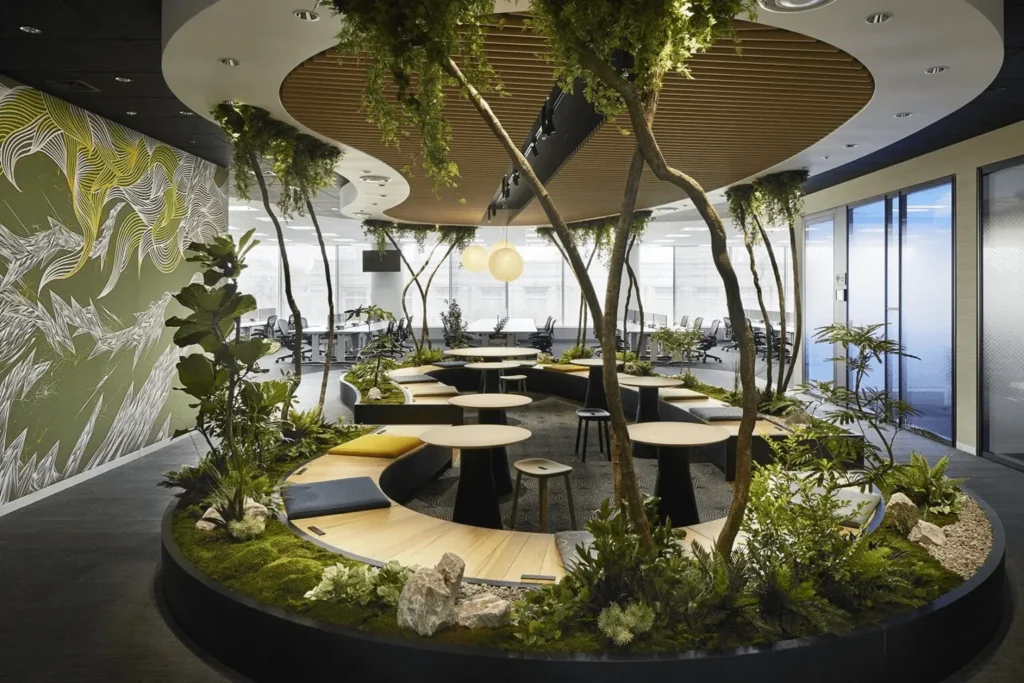
3. Sustainable Corporate Event Design That Prioritizes Smart Planning
Corporate events today are no longer limited to conferences. Modern business gatherings combine intelligent spatial planning with responsible event management.
Features of Sustainable Corporate Events:
- Digital registration systems
- Paperless communication
- Reusable furniture systems
- Energy-saving lighting
- Efficient venue planning
These events aim to minimize waste while still delivering professional and engaging visitor experiences.
Why Sustainable Corporate Events Attract Modern Audiences?
Today’s audiences prefer brands that visibly demonstrate environmental awareness through thoughtful event planning.
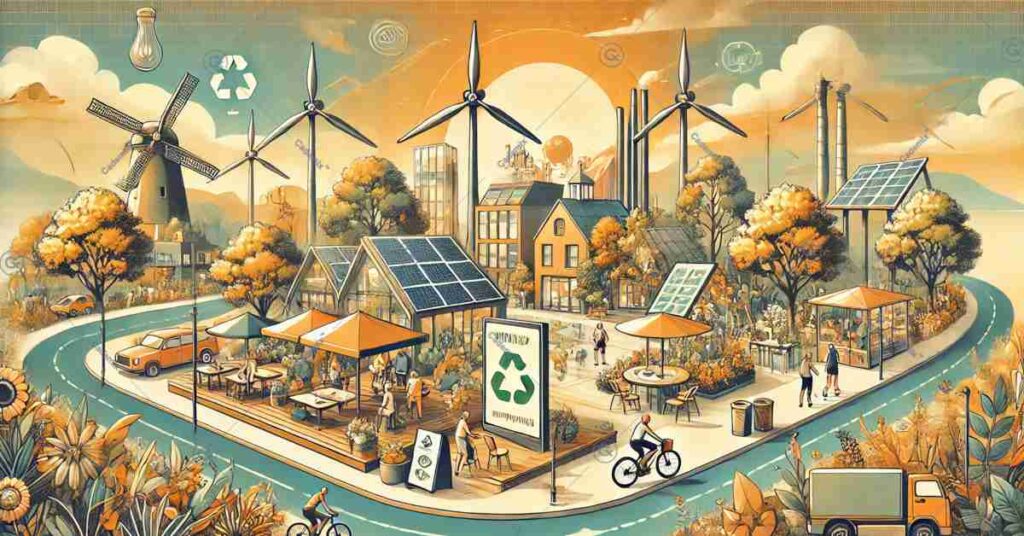
4. Sustainable Pop-Up Design Installations for Interior Spaces
Pop-up environments have become increasingly popular in retail, hospitality, and experiential design. Modern temporary installations now focus on minimizing environmental impact while maintaining visual appeal.
Sustainable Features in Pop-Up Installations:
- Wooden structures
- Recyclable metal frames
- Fabric-based installations
- Reusable modular systems
- Lightweight transportable structures
These installations demonstrate how temporary architecture can remain both innovative and environmentally conscious.
5. Sustainable Material Workshops Transforming Interior Design Trends
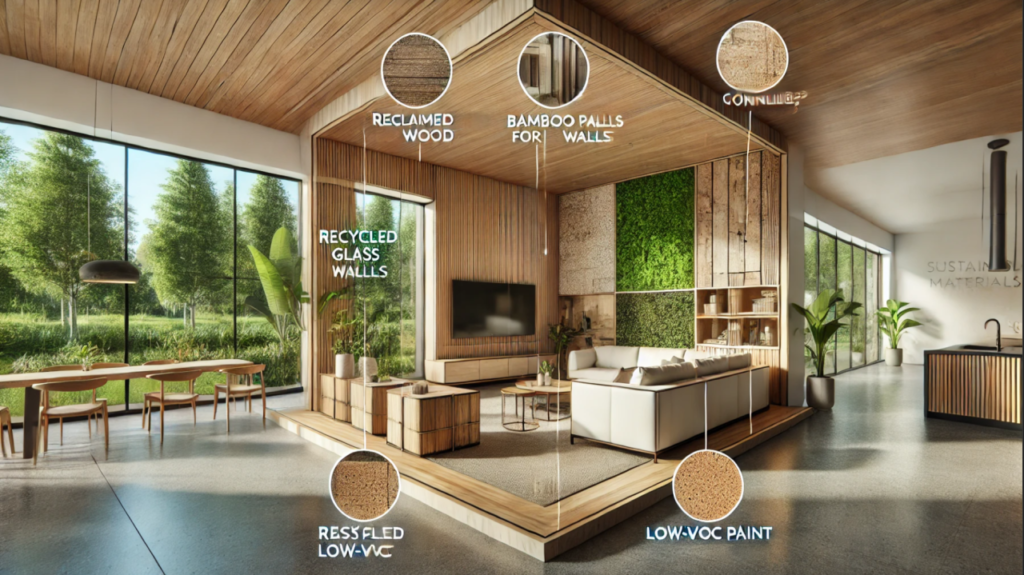
Materials are among the most exciting areas of innovation in architecture and interiors. Today, material-focused workshops introduce alternatives to resource-heavy products.
Popular Sustainable Materials Used Today:
- Bamboo
- Reclaimed wood
- Cork panels
- Recycled plastics
- Stone composite materials
These workshops encourage designers to consider how materials influence both aesthetics and environmental performance.
6. Sustainable Lighting Design Workshops for Smart Spatial Experiences
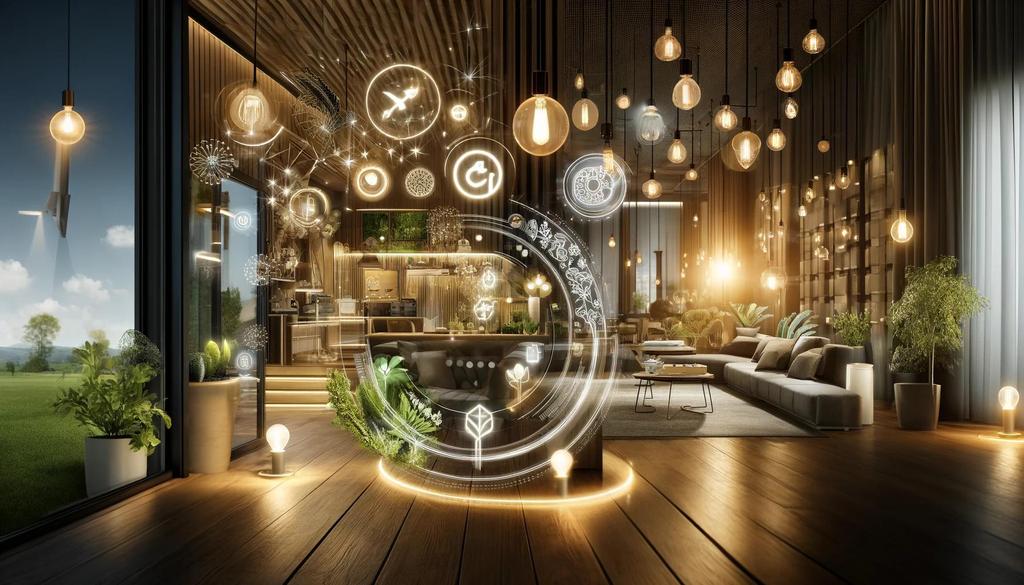
Lighting plays a major role in both events and interiors. Modern lighting workshops focus on energy-efficient illumination systems without compromising atmosphere or visual quality.
Sustainable Lighting Solutions Include:
- LED technology
- Motion-sensor lighting
- Solar-powered installations
- Low-energy ambient systems
- Automated smart lighting
From exhibitions to hospitality spaces, efficient lighting systems have become essential in modern spatial design.
7. Sustainable Furniture Workshops and Circular Design Thinking
The furniture industry is increasingly embracing circular design principles where products are reused, repaired, and repurposed rather than discarded.
Sustainable Furniture Workshop Topics:
- Furniture created from recycled materials
- Modular reusable systems
- Repair-focused furniture design
- Eco-friendly upholstery materials
- Long-lasting product development
These workshops promote a shift away from disposable design culture toward durability and adaptability.
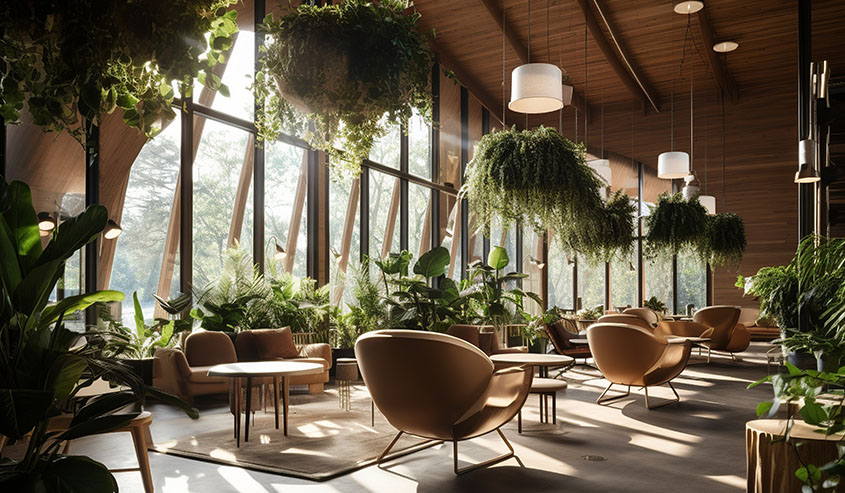
8. Sustainable Wellness Event Design and Biophilic Experiences
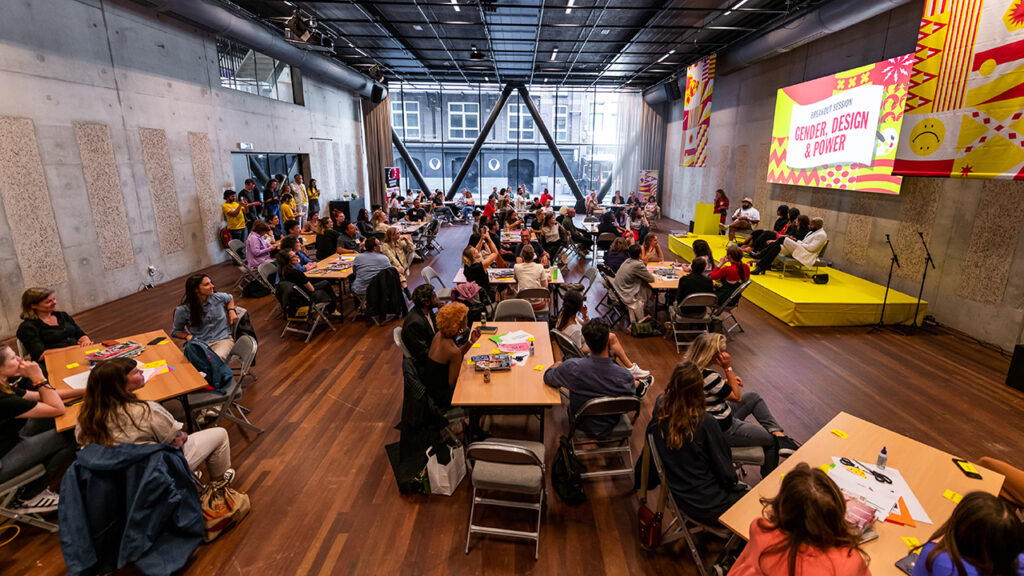
One of the strongest trends in architecture and interiors is the creation of wellness-focused environments. Wellness workshops often combine nature, lighting, architecture, and sensory design into immersive experiences.
Features of Sustainable Wellness Spaces:
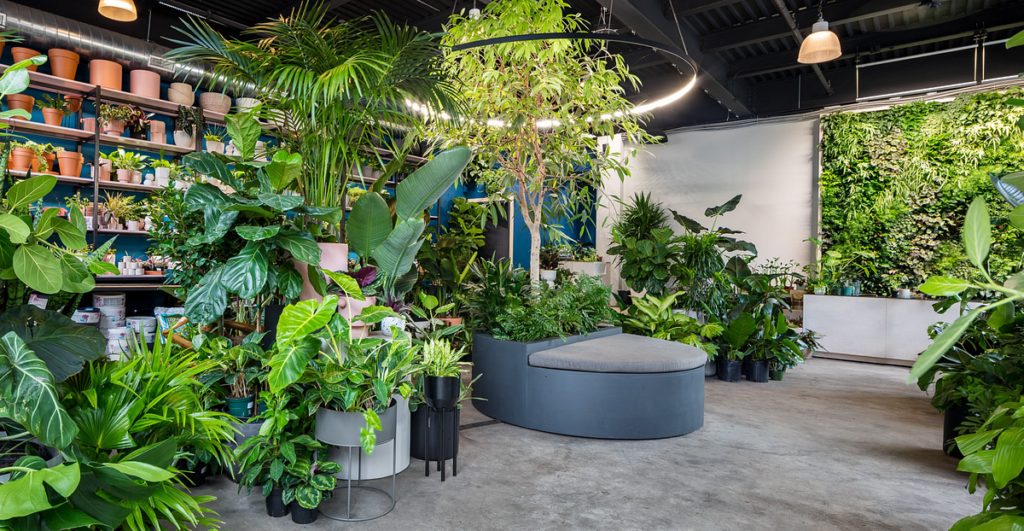
- Indoor greenery systems
- Natural ventilation strategies
- Daylight optimization
- Organic material palettes
- Comfort-focused spatial planning
These environments demonstrate how responsible architecture can improve both emotional wellness and environmental quality simultaneously.
9. Sustainable Technology Events Reshaping Modern Architecture
Technology is playing a major role in improving environmentally responsible event experiences.
Smart Sustainable Technologies Used in Events:
- AI-based energy monitoring
- Interactive digital installations
- Smart climate-control systems
- Hybrid and virtual event integration
- Real-time environmental analysis
These innovations make modern events more efficient, measurable, and adaptable.
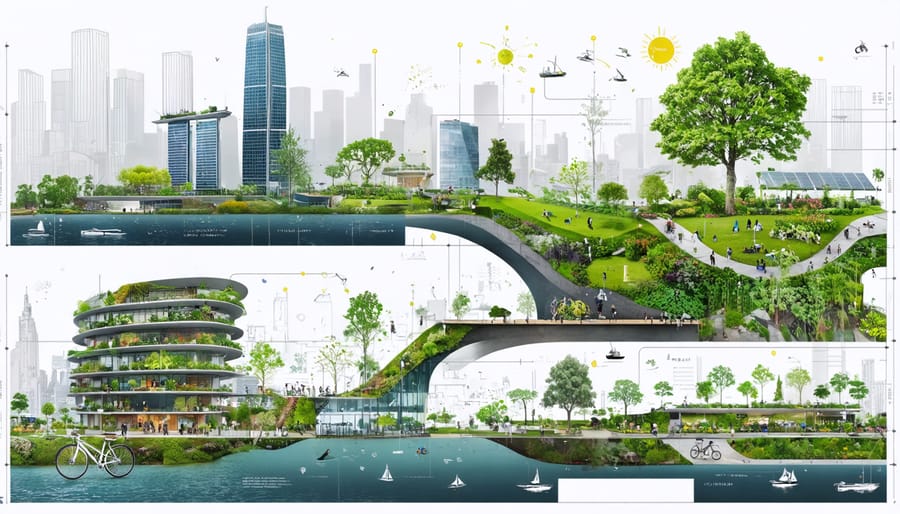
Key Sustainable Interior Design Elements in Modern Events
1. Adaptive Space Planning: Flexible layouts reduce unnecessary construction while improving functionality.
2. Material Awareness: Carefully selected materials influence both aesthetics and environmental performance.
3. Energy-Efficient Spatial Systems: Smart ventilation, lighting, and thermal systems help reduce energy consumption.
4. Human-Centered Design: Modern environments prioritize comfort, wellness, and emotional engagement alongside efficiency.
Today’s event environments represent the intersection of architecture, interior styling, technology, and environmental responsibility.
The Future of Events and Workshops
As environmental awareness continues to grow, eco-conscious events will likely become the standard rather than the alternative.
Future Trends in Sustainable Event Design:
- Carbon-neutral event systems
- Reusable modular environments
- Smart environmental technologies
- Circular material economies
- Climate-responsive spatial planning
The future of architecture and interior design will depend heavily on how both temporary and permanent environments respond to environmental challenges.
Why Sustainability Design Is Redefining Modern Experiences?
Environmentally responsible events and workshops are no longer optional alternatives they are becoming the future of experiential design itself. From exhibition systems to wellness-focused interiors, sustainable design demonstrates how architecture can create meaningful experiences while remaining environmentally responsible. In an industry driven by innovation and awareness, great design is no longer judged only by appearance, but also by how responsibly it performs.
Talking about sustainability have you wondered how corporates should approach sustainability ? Its explained easily by the renowned personality “Steve Kennedy”. Also just out of curiosity if you want to know about the “Top Event Design Trends 2026” here it is.