
The Future of Event Technology in 2026
The event industry is entering a new digital era where technology is no longer an added feature but the backbone of successful experiences. From AI-powered event management to QR code check-ins and data-driven guest experiences, the future of events in 2026 is becoming smarter, faster, and more personalized. Whether it is a corporate conference, trade expo, architecture forum, music festival, or networking summit, event technology trends are reshaping how organizers interact with attendees.
Modern audiences expect seamless experiences. Long registration queues, confusing schedules, and generic event interactions are quickly becoming outdated. Instead, attendees now demand instant access, personalized recommendations, smart networking opportunities, and real-time engagement. This shift is driving rapid growth in event technology solutions and AI-based event platforms across the global events industry.
As businesses compete to create memorable and engaging experiences, technology-driven events are becoming the standard for successful event planning and audience retention.
AI in Event Management is Transforming the Industry
Artificial Intelligence in event management is one of the biggest event technology trends of 2026. AI-powered event tools are helping organizers automate operations, improve attendee engagement, and deliver personalized experiences at scale. Event planners are now using AI for registration management, audience behavior tracking, event matchmaking, scheduling, content recommendations, and customer support.
AI chatbots and virtual assistants are becoming essential in large-scale events. Instead of relying on manual support desks, attendees can instantly ask AI-powered systems for directions, session timings, speaker details, or networking suggestions. This improves efficiency while reducing operational pressure on event staff.
AI event personalization is also changing how attendees experience conferences and exhibitions. Event apps powered by machine learning can now recommend sessions based on user interests, professional background, or previous event behavior. This level of personalization improves engagement and increases attendee satisfaction.
Another major trend is predictive analytics in event planning. AI tools can analyze attendee data to predict crowd movement, popular sessions, food demand, and networking preferences. Event organizers can use these insights to optimize venue layouts, improve scheduling, and increase overall event efficiency.
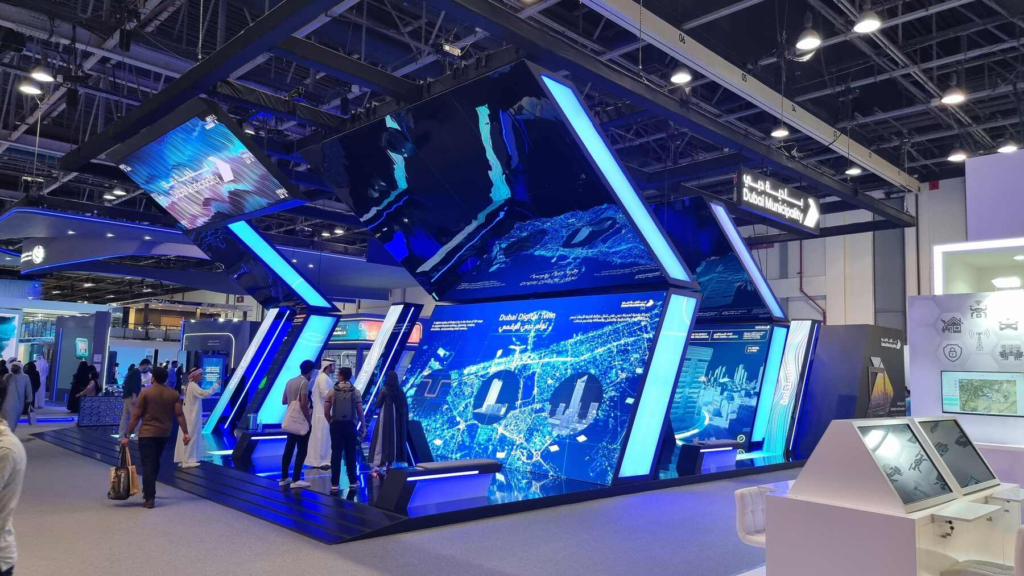
QR Code Check-ins are Replacing Traditional Registration Systems
QR code check-ins are rapidly becoming the new standard in smart event management. In 2026, event organizers are focusing heavily on speed, convenience, and contactless technology. Traditional paper tickets and manual registrations are being replaced by digital event check-in systems powered by QR codes.
Attendees can now register online, receive a unique QR code instantly, and enter venues within seconds by simply scanning their smartphones. This process reduces waiting times, eliminates paperwork, and creates a smoother guest experience. QR-based event entry systems are especially important for large conferences, exhibitions, concerts, and networking events where crowd management is critical.
The rise of contactless event technology after the pandemic has accelerated the adoption of QR code solutions worldwide. Beyond check-ins, QR technology is also being used for digital business cards, networking exchanges, feedback forms, session attendance tracking, and interactive brand activations.
For event organizers, QR-based event management systems provide valuable real-time data. They can track attendee movement, session participation, peak entry timings, and visitor engagement instantly. This data helps improve event planning and audience management for future events.
Data-Driven Guest Experiences are Becoming the New Standard
One of the most important event industry trends in 2026 is the rise of data-driven guest experiences. Modern event technology platforms are collecting valuable attendee insights to create more engaging and personalized interactions.
Today’s event audiences expect experiences tailored to their interests and behavior. Event analytics software allows organizers to understand attendee preferences, networking habits, content engagement, and purchasing behavior. Using this information, brands can deliver targeted communication, personalized schedules, and curated event journeys.
Data-driven event experiences also improve marketing performance. Event organizers can track which sessions generated the highest engagement, which sponsors received maximum visibility, and which content formats performed best. These insights help brands optimize future event strategies and improve return on investment.
Real-time event analytics is another growing trend. Event dashboards can now monitor live engagement metrics such as audience participation, footfall density, app usage, and networking activity. This enables organizers to make immediate adjustments during the event itself.
The future of event marketing will heavily rely on audience data, behavioral insights, and AI-powered analytics to create highly customized event experiences.
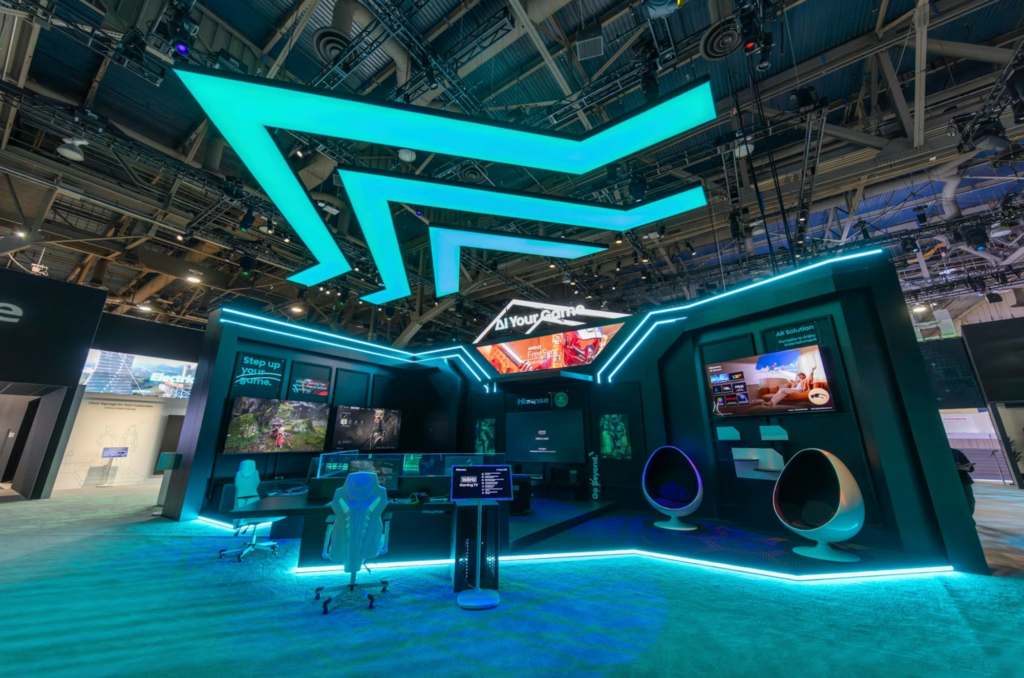
Smart Event Apps are Redefining Audience Engagement
Event mobile apps are becoming the digital control centers of modern events. In 2026, smart event apps powered by AI and real-time analytics are expected to dominate the event technology ecosystem.
Instead of static schedules and printed brochures, attendees now prefer dynamic mobile experiences. Smart event apps allow users to customize schedules, receive live notifications, navigate venues, participate in polls, join networking rooms, and access digital content instantly.
Gamification in event apps is also increasing audience interaction. Organizers are introducing reward systems, networking challenges, digital badges, and leaderboard-based engagement activities to keep attendees active throughout the event.
AI-powered networking features are becoming one of the strongest trends in business conferences and trade events. Event apps can now suggest valuable networking opportunities by analyzing attendee interests, industries, and professional profiles. This improves business matchmaking and enhances the overall event value.
Hybrid and virtual event integration is another major focus. Event apps are now designed to support both physical and digital audiences simultaneously, allowing seamless participation across multiple platforms.
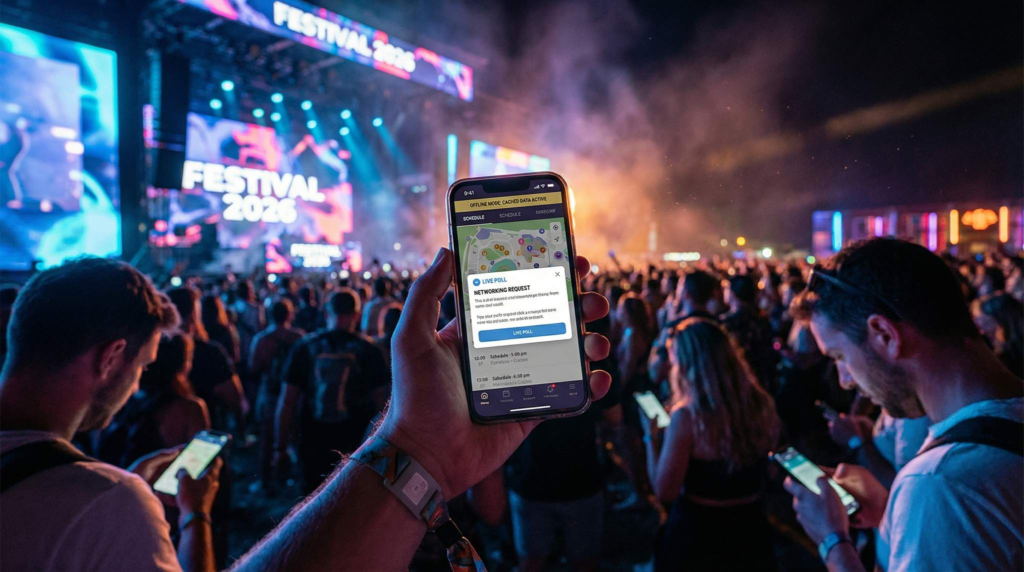
Hybrid Events and Virtual Experiences Continue to Grow
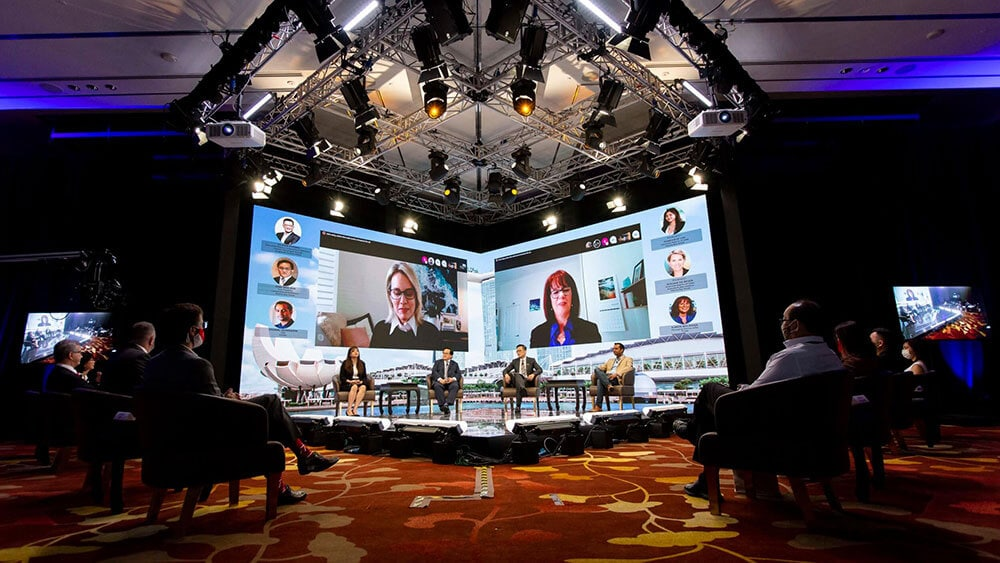
The hybrid event model is expected to remain a dominant trend in 2026. Even as physical events return at full scale, organizers continue to invest in hybrid event technology to reach global audiences.
Hybrid events combine physical experiences with virtual participation, allowing attendees to join remotely through live streaming platforms, virtual networking lounges, and interactive digital sessions. This expands audience reach while improving accessibility.
Virtual event platforms are becoming more immersive with AI integration, augmented reality, and interactive audience engagement tools. Features like virtual booths, AI-powered networking, and real-time translation services are helping online attendees feel more connected to the event experience.
For global conferences, architecture forums, exhibitions, and corporate summits, hybrid event technology provides flexibility and scalability. Brands can now maximize attendance while reducing travel limitations and operational costs.
Facial Recognition and Biometric Event Technology
Biometric event technology is another emerging trend shaping the future of smart events. Facial recognition systems are increasingly being used for secure and frictionless event entry.
Instead of showing tickets or scanning codes repeatedly, attendees can enter venues through facial authentication systems linked to their registration profiles. This creates faster access control while improving security.
Biometric event solutions are also useful for VIP management, restricted area access, and fraud prevention. Large-scale international conferences and premium networking events are expected to adopt biometric technologies more aggressively in the coming years.
While privacy concerns remain important, event organizers are investing in secure data protection systems and transparent consent processes to build audience trust.
Sustainable Event Technology is Becoming a Priority
Sustainability is becoming a major focus in event planning, and technology is playing a critical role in reducing environmental impact. Digital ticketing, QR check-ins, paperless communication, and AI-powered resource management are helping events become more eco-friendly.
Smart energy systems, digital event materials, and virtual participation options are reducing waste and lowering carbon footprints. Event technology companies are also introducing sustainability tracking tools that measure energy usage, waste production, and attendee travel impact.
In 2026, sustainable event technology will no longer be optional. Brands and organizers will increasingly prioritize green event solutions as part of their long-term event strategy.
Also read – The Ultimate Guide to Architecture and Design Events Every Architect Should Attend in 2025
Event Security and Cybersecurity in the Digital Age
As events become more digital, cybersecurity in event management is becoming increasingly important. Event organizers are collecting large amounts of attendee data, including contact information, payment details, and behavioral insights.
Secure event technology platforms are now focusing on encrypted data systems, secure payment gateways, and AI-driven threat detection. Cybersecurity measures are essential for protecting attendee information and maintaining brand trust.
With the rise of virtual and hybrid events, digital security will continue to play a major role in the future of event technology.
The Future of Events is Intelligent, Personalized and Seamless
The future of event management in 2026 is being driven by innovation, automation, and audience-centric technology. AI in events, QR code check-ins, smart event apps, hybrid experiences, and data-driven engagement strategies are redefining how events are planned and experienced.
Modern attendees no longer want passive participation. They expect personalized interactions, seamless technology, faster access, intelligent networking, and immersive experiences. Event organizers who embrace digital transformation and invest in advanced event technology solutions will gain a major competitive advantage.
As the global event industry evolves, technology will continue to blur the line between physical and digital experiences. The most successful events in 2026 will not just focus on scale or production value. They will focus on creating intelligent, connected, and memorable guest experiences powered by smart event technology.