IP Event Management is no longer just about hosting successful events. Today, the biggest shift in the industry is about creating event properties that people recognize, emotionally connect with, and return to year after year. Honestly, that’s where the real long-term value lies.
Anyone can organize a one-time event.
But building an event IP?
That’s something completely different.
Because an IP isn’t just an event anymore. It becomes:
- A recognizable brand
- A recurring experience
- A community platform
- A cultural ecosystem
- A long-term audience relationship
The strongest event properties create anticipation long before the event begins and continue conversations long after it ends.
That’s exactly why IP Event Management is becoming one of the most important strategies in the modern experiential industry.
So What Exactly Is an Event IP?
Think of it this way.
A regular event focuses on execution. An event IP focuses on identity.
| Regular Event | Event IP |
| One-time production | Long-term ecosystem |
| Campaign-driven | Community-driven |
| Short-term visibility | Long-term recall |
| Audience attends | Audience belongs |
| Ends after execution | Evolves continuously |
The moment people stop asking “Who organized this?” and instead recognize the event by its own identity, the platform starts becoming a true IP.
And honestly, that recognition is incredibly powerful.
India Already Has Strong Examples of Event IPs
India’s experiential industry already has several examples of events that evolved into recognizable intellectual properties with strong audience recall and industry identity.
FOAID: The Flagship IP by Coalesce
One of the strongest examples of IP Event Management in India’s architecture and design industry is FOAID (Festival of Architecture and Interior Designing), the flagship event IP created by Coalesce.
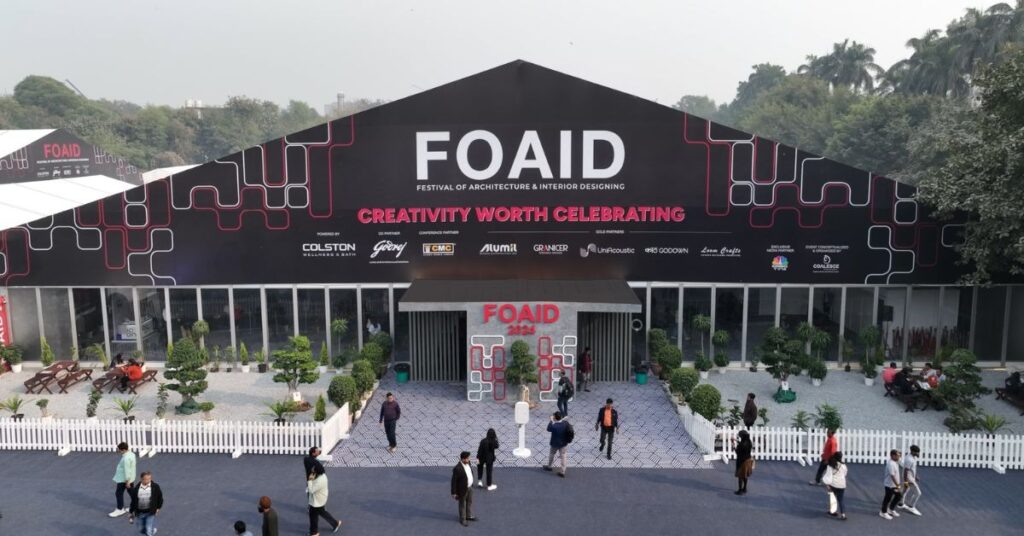
Over the years, FOAID expanded beyond a design conference into a large experiential ecosystem featuring:
- Design Arena
- Design Manthan
- VOX Architecture Ideas
- Light First
- Creative Minds Next
- Expressions
What makes FOAID successful as an IP is its ability to blend:
- Industry dialogue
- Design culture
- Experiential installations
- Community networking
- Emerging talent platforms
- Spatial storytelling
into one recognizable annual experience.
Today, FOAID is not simply remembered as an event.
It has become a design ecosystem with strong emotional and professional recall within the architecture and interiors industry.
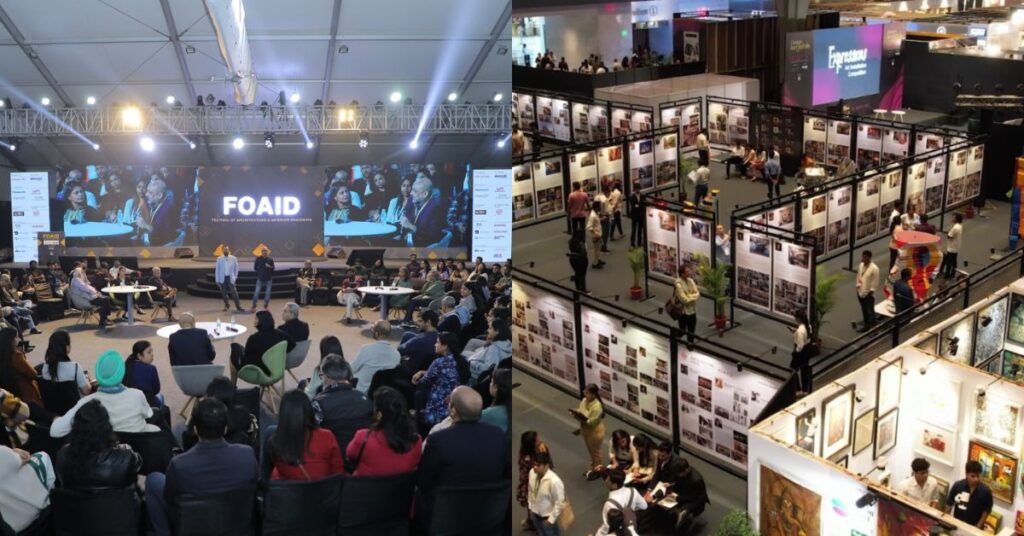
Credits: https://www.foaidindia.in/festival
FOAID takes place through two major annual editions across India, the New Delhi Edition (27 & 28 Nov, 2026) and the Mumbai Edition (27 & 28 Jan, 2027), helping the platform engage with architecture and design communities across multiple cities.
Design Perspective: A Regional Design Dialogue Platform
Another interesting example is Design Perspective, a design-focused IP that creates ongoing architecture and interior design conversations across multiple cities throughout the year.
Instead of functioning as a single standalone event, Design Perspective operates as a regional engagement platform bringing together:
- Architects
- Interior designers
- Industry experts
- Creative professionals
- Design brands
through curated discussions, trend-focused sessions, networking interactions and city-based industry dialogue.
What makes Design Perspective interesting as an IP is its ability to stay consistently active across different regions rather than limiting itself to one annual gathering.
This multi city engagement approach helps create:
- Continuous audience interaction
- Stronger regional industry communities
- Localized design conversations
- Year round brand visibility
Honestly, this is exactly how modern event IPs grow today not through one large event alone, but through continuous engagement ecosystems spread across multiple cities and communities
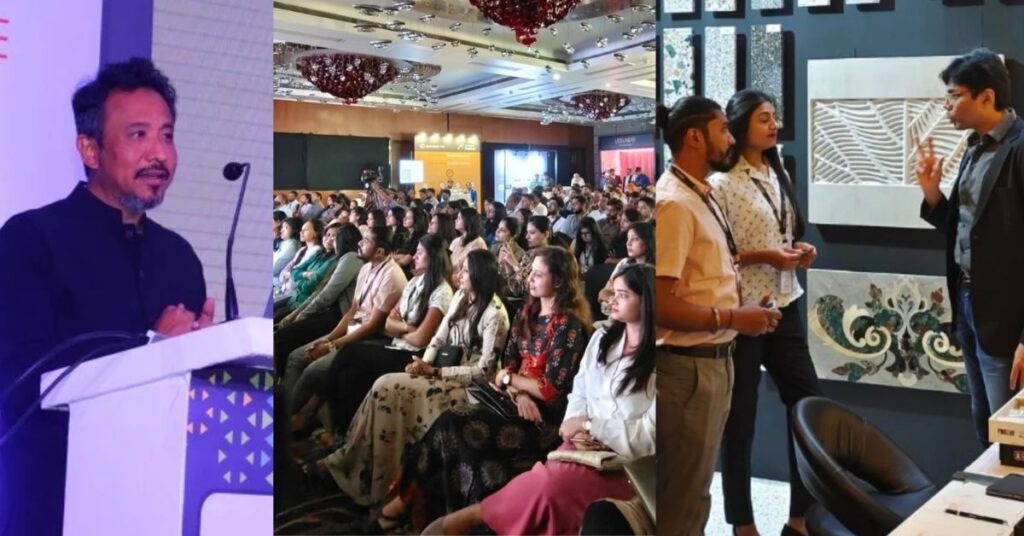
A glimpse from the event gallery of Design Perspective.
Credits: https://designperspective.in/
Project 101 Explorers: Experience-Led Discovery
Project 101 Explorers represents a unique experiential IP built around curated global architectural exploration and immersive learning experiences for the design community.
The platform brings together nearly 101 architects, interior designers and creative professionals for specially planned international design journeys across iconic global destinations.
What makes the experience unique is that participants don’t just visit architectural projects as tourists, they directly interact with the architects, designers, developers, consultants or key people associated with the making of these landmark spaces.
The idea is to create deeper understanding through:
- On-site project experiences
- Direct conversations with project teams
- Architectural walkthroughs
- Design discussions
- Experiential learning
- Global design exposure
The first edition of Project 101 Explorers is set to take place in Singapore from 9-13 June 2026, followed by an Indonesia edition scheduled around July 2026, with several more global destinations planned in the future.
Platforms like Project 101 Explorers are powerful as an IP as they move beyond traditional events or conferences.
Every Strong Event Property Starts With Identity
Before budgets, sponsorships, or stage design, every successful event IP needs one thing first is a clear identity.
The strongest event properties stand for something emotionally recognizable, whether it’s design culture, innovation, fashion, wellness or creative networking. Without strong positioning, events quickly become generic and generic events rarely become long-term IPs.
Event IPs Work More Like Media Brands Today
Successful event properties no longer function as standalone events. They behave like media ecosystems that continuously create:
- Content
- Community conversations
- Social engagement
- Storytelling
- Digital visibility
even when the physical event isn’t happening.
That continuous engagement is what keeps strong event IPs relevant throughout the year.
Experience Design Is What Audiences Remember
People rarely remember ticket counters or sponsor banners. But they always remember:
- Atmosphere
- Energy
- Installations
- Audience interaction
- Emotional moments
That’s why modern IP Event Management focuses heavily on immersive storytelling, interactive environments and audience participation. Events today are designed more like emotional journeys than scheduled programs.
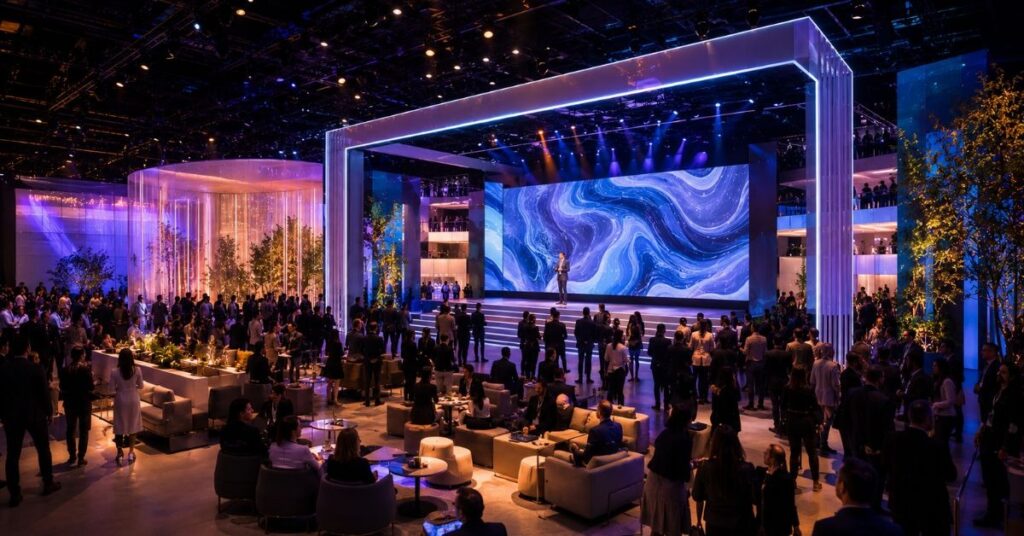
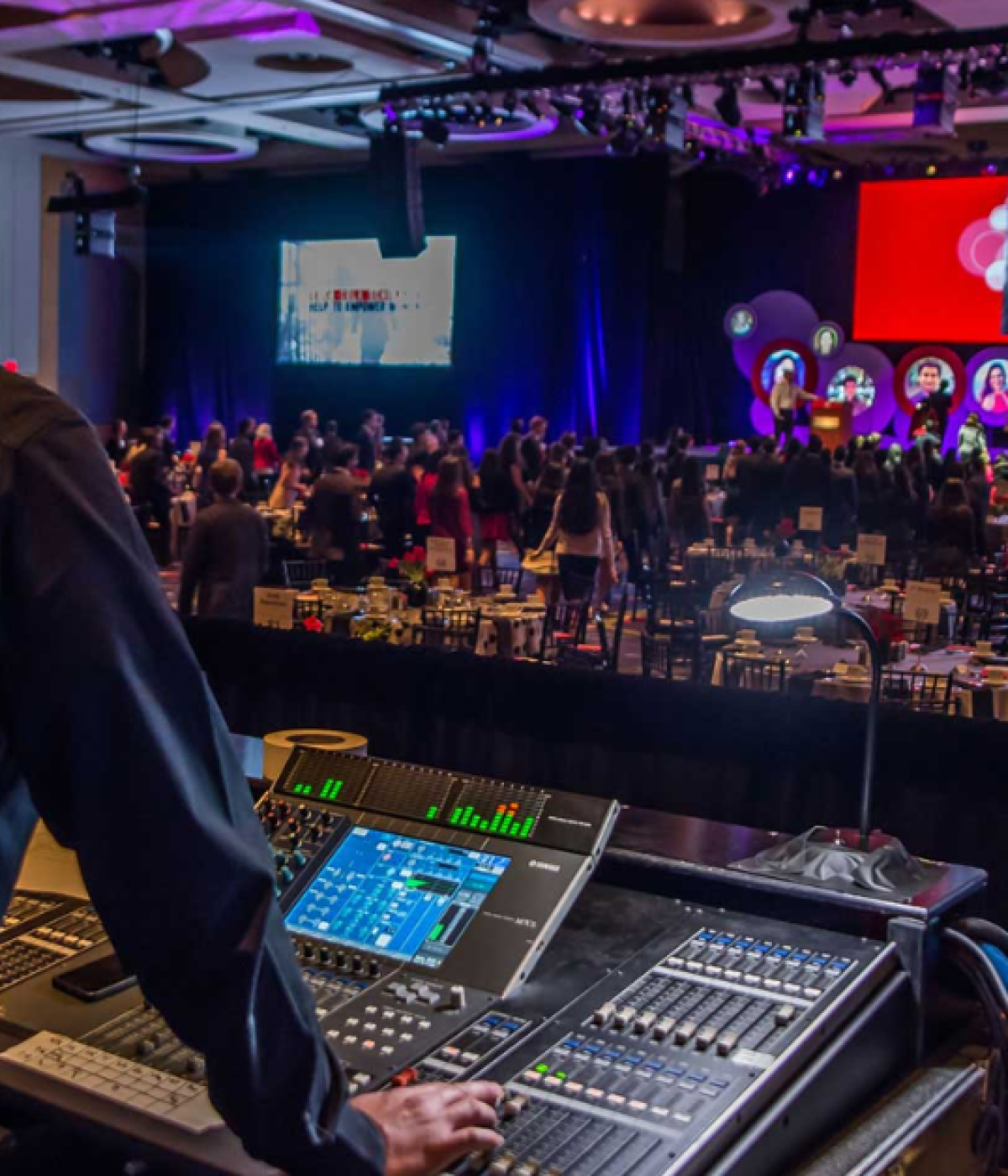
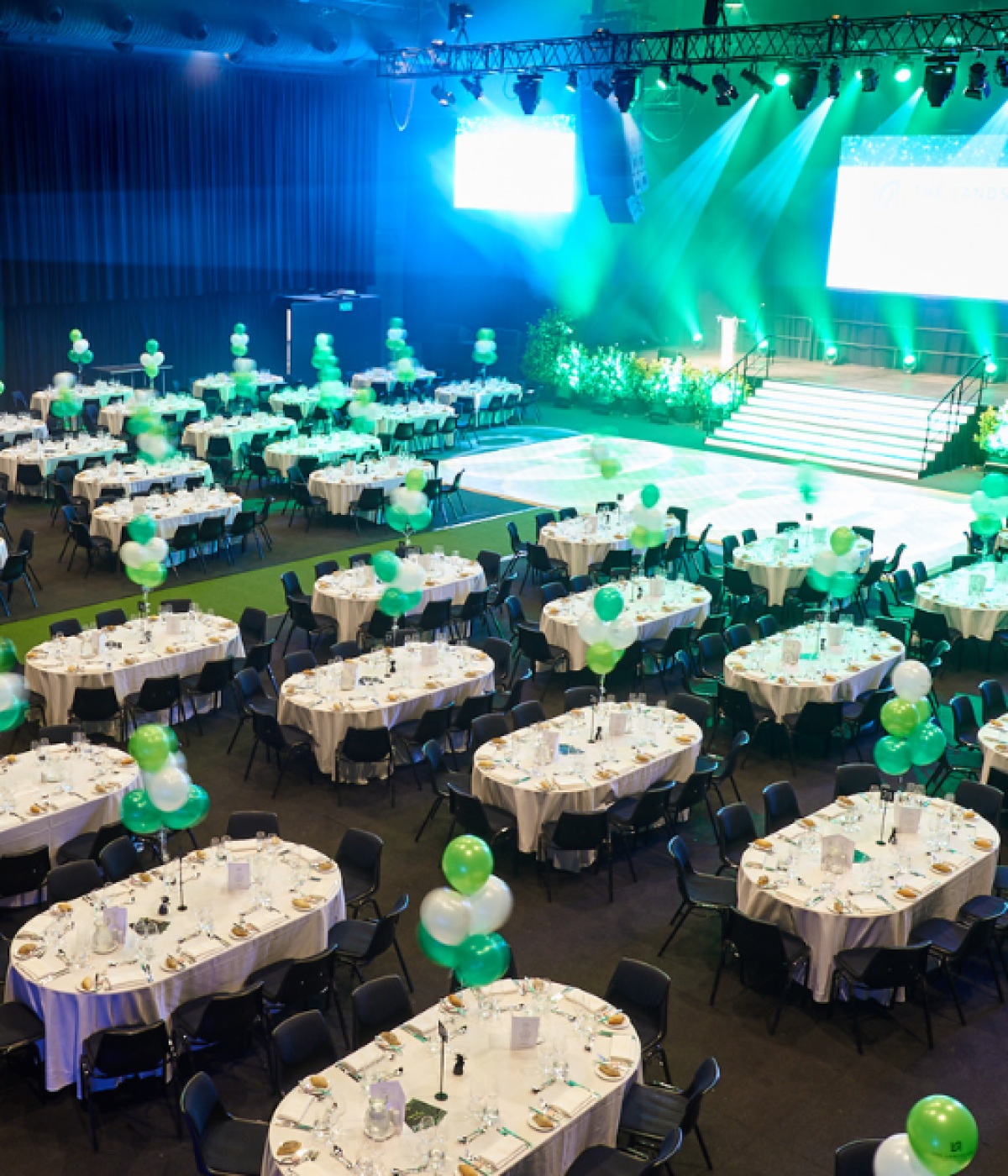
Large-scale experiential event environment with immersive audience engagement and architectural staging.
Community Is the Real Foundation of Event IPs
A strong event IP builds more than attendance, it builds community as communities:
- Return consistently
- Share experiences organically
- Create emotional loyalty
- Build long-term brand recall
That’s why successful event ecosystems invest heavily in networking, participation and creative engagement. Over time, audiences stop feeling like attendees and start feeling like part of the platform itself.
Hybrid Ecosystems Are Becoming Essential
Modern event IPs no longer exist only physically. Today’s audiences engage through:
- Live experiences
- Social media
- Livestreams
- Podcasts
- Digital storytelling
This hybrid approach helps event brands stay active throughout the year instead of disappearing between editions.
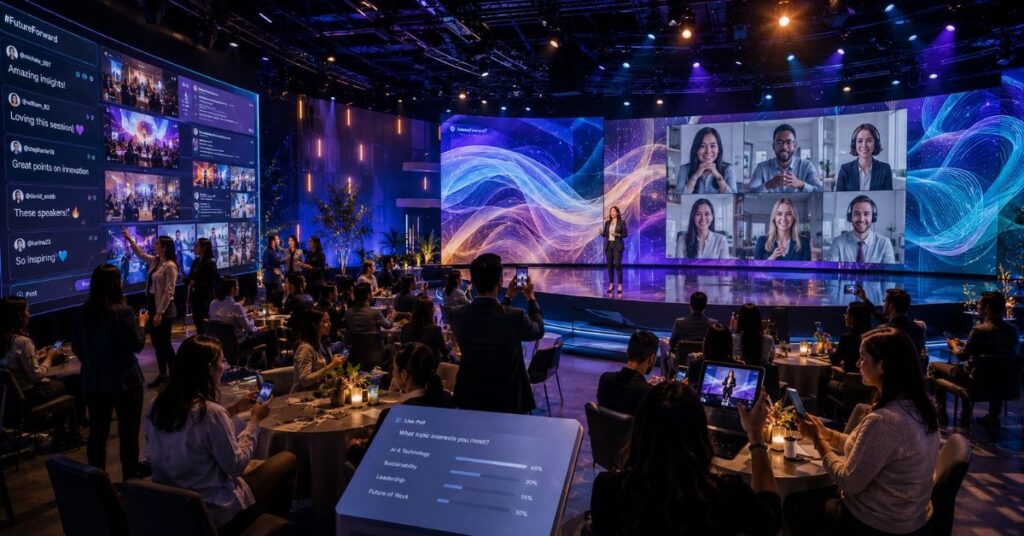
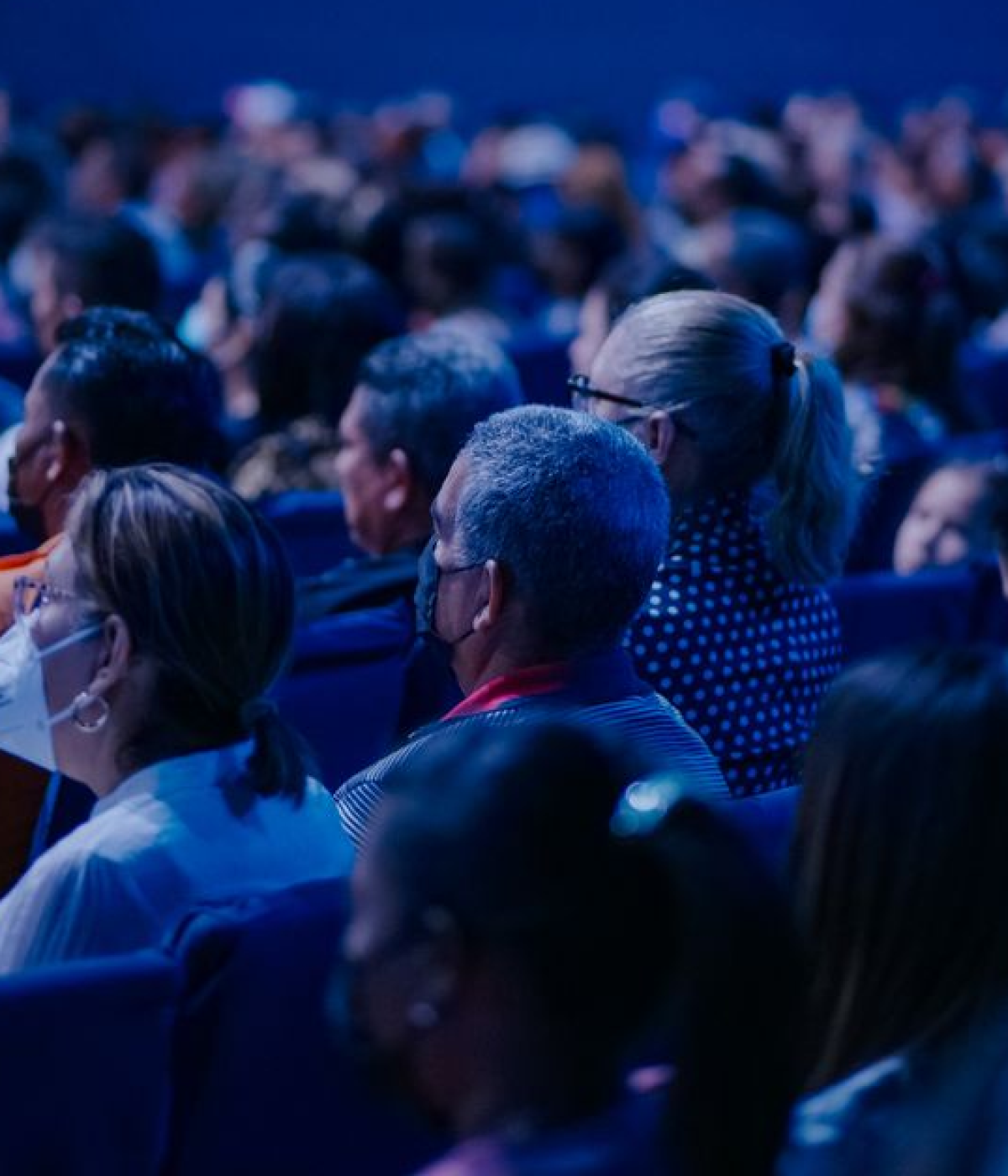
Audience interaction during a hybrid experiential event with digital and physical engagement.
Also Read: The Future of Event Technology 2026: Smart AI and QR Check-In Trends
Building an Event IP Takes Patience
No meaningful event property becomes iconic overnight. Strong IPs grow through:
- Consistency
- Community trust
- Creative evolution
- Audience engagement
- Long term thinking
The most successful event ecosystems evolve gradually while maintaining a clear emotional identity.
Because ultimately, successful event properties don’t just organize events, they create platforms people emotionally return to year after year.
Final Thoughts
IP Event Management is transforming how modern events are built, experienced and remembered. Today, the strongest event properties are no longer defined only by production scale or attendance numbers as they are defined by identity, community, emotional connection, and long-term cultural relevance.
Platforms like FOAID, Design Perspective and Project 101 Explorers show how experiential ecosystems can evolve into recognizable intellectual properties with loyal audiences and lasting industry impact.
Because ultimately, the future of events belongs to brands that don’t just host experiences.
They build communities people genuinely want to belong to.