A successful press conference is much more than inviting journalists into a room and making an announcement. It is a carefully orchestrated event where every detail, from media management and guest flow to messaging strategy and technical execution, influences how your story is received. Whether you’re launching a new product, announcing a business milestone, unveiling a government initiative, or responding to a major development, press conference event planning plays a crucial role in shaping public perception.
In today’s fast-moving media landscape, news spreads within seconds across television, digital platforms, online publications, and social media. This means organizations need a professional press conference management strategy that ensures every journalist gets the right information, every guest enjoys a seamless experience, and every message reaches the intended audience without confusion.
Well-planned media events, press briefings, and corporate press conferences help businesses build credibility, generate positive publicity, and strengthen relationships with journalists. At the same time, poor planning can lead to mixed messaging, delayed coverage, technical failures, and negative public attention. That is why investing time in proper press conference event planning, media coordination, guest management, and communication strategy has become essential for brands, government organizations, start-ups, and event agencies alike.
Understanding the Purpose Behind Every Press Conference
Every successful press conference begins with a clearly defined objective. Before selecting a venue or inviting media professionals, organizers must understand exactly why the event is being conducted and what outcome they expect.
Some organizations organize corporate press conferences to launch products or services, while others hold media briefings to announce partnerships, financial results, acquisitions, awards, policy changes, or crisis responses. Understanding the purpose helps shape the tone, messaging, speaker lineup, visual presentation, and media engagement strategy.
Having a focused objective also ensures journalists leave with a clear understanding of the announcement instead of multiple confusing narratives. A simple, memorable message often receives stronger media coverage than an event overloaded with unnecessary information.
Creating Powerful Messaging That Journalists Will Remember
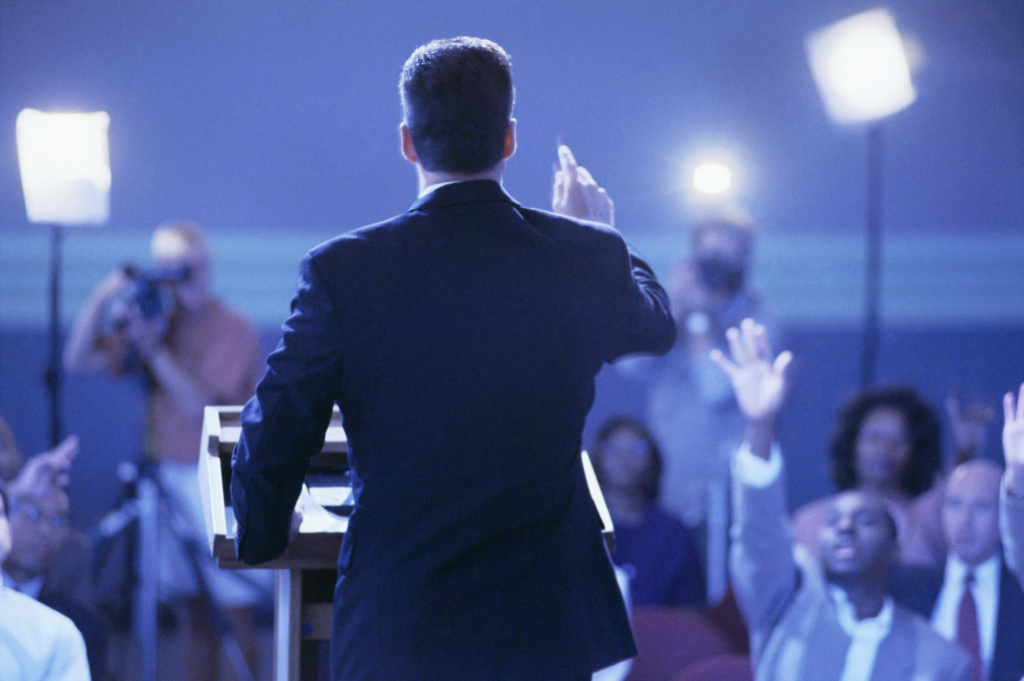
The heart of every successful press conference lies in its messaging. Reporters attend numerous events every week, so only stories that are clear, relevant, and newsworthy capture their attention.
Developing a strong press conference communication strategy begins with identifying one central message supported by two or three key talking points. Every spokesperson, presentation, visual, and press release should reinforce these same points.
Consistency is equally important. Mixed statements from different speakers can confuse journalists and dilute the overall announcement. Professional media event planning involves preparing spokespersons with briefing notes, anticipated questions, and approved responses to ensure messaging remains accurate throughout the event.
Simple language, compelling facts, industry statistics, and real-world examples make the announcement easier to understand and more likely to be quoted by the media.
Also read – Jeddah Tower vs Burj Khalifa – Which Infrastructure marvel will dominate the middle-east?
Choosing the Perfect Venue for Maximum Media Impact
Venue selection directly influences both media experience and audience perception. An ideal press conference venue should be easily accessible, professionally designed, technically equipped, and visually aligned with the brand identity.
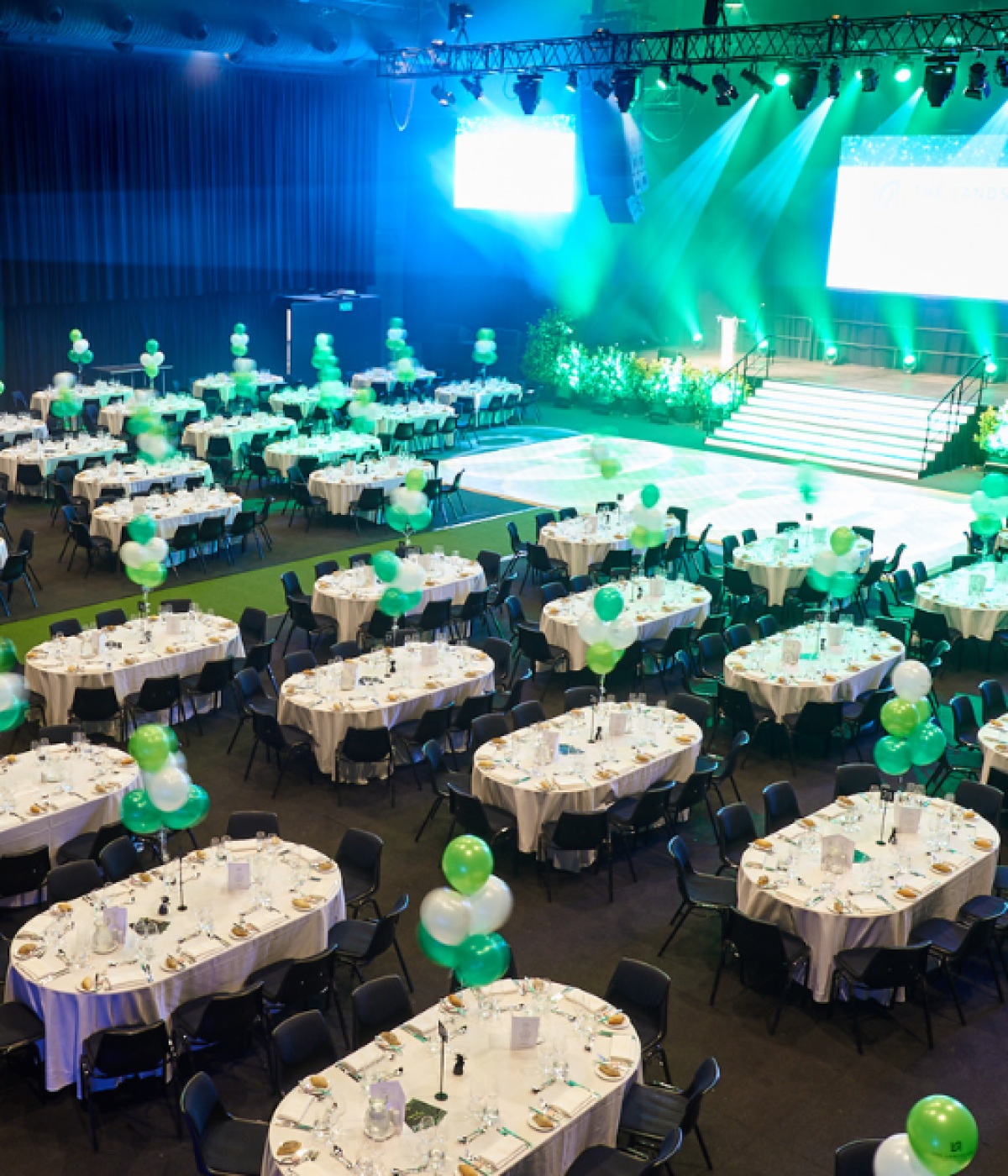
Large product launches often require spacious conference halls with dedicated media zones, interview corners, branding backdrops, and audiovisual facilities. Smaller executive announcements may benefit from hotel conference rooms or corporate headquarters that provide a more focused environment.
Proper press conference venue planning also considers lighting, acoustics, seating arrangements, internet connectivity, parking availability, and accessibility for television crews carrying equipment.
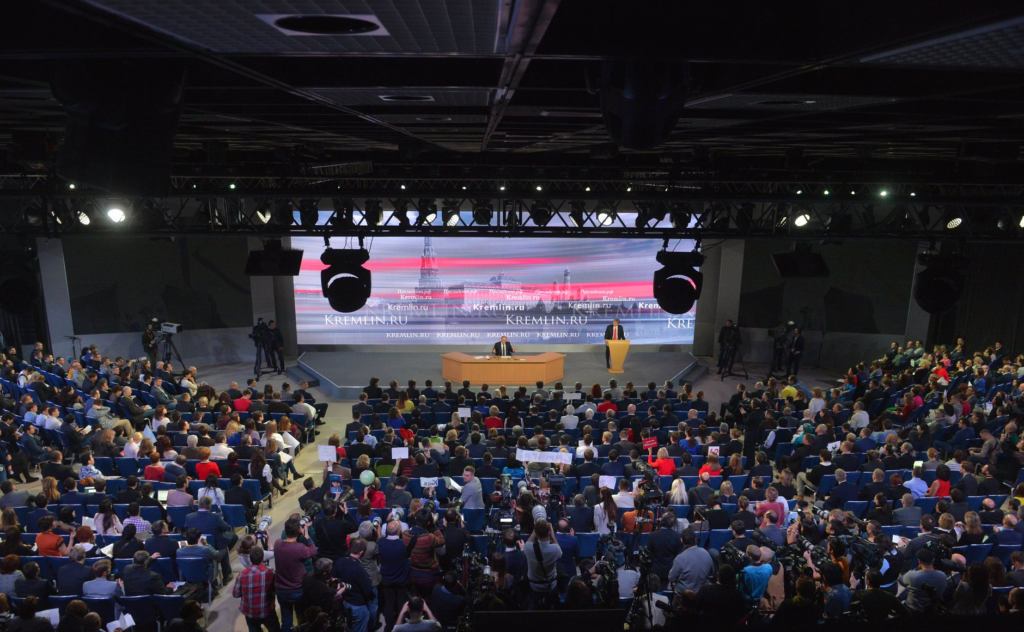
The venue should support efficient movement without crowding, allowing journalists to capture photographs, conduct interviews, and interact with spokespersons comfortably.
Media Management: Building Strong Relationships Before the Event
One of the biggest factors influencing press conference success is effective media management. Simply sending invitations is rarely enough. Professional media relations begin weeks before the event through personalized communication with editors, reporters, television producers, photographers, bloggers, and digital publishers.
A carefully curated media list helps ensure the announcement reaches relevant publications rather than random contacts. Industry-specific journalists are far more likely to cover specialized announcements than general news reporters.
Sending timely invitations, confirming attendance, providing event schedules, and sharing background information beforehand helps journalists prepare meaningful questions and better understand the story.
Maintaining positive relationships with media professionals beyond the event also increases the likelihood of future coverage and long-term brand visibility.
Guest Flow Management Creates a Professional First Impression
Many organizations underestimate the importance of guest flow management, yet it significantly impacts the overall event experience. From arrival to departure, every attendee should experience a smooth and organized process.
Registration counters should operate efficiently with digital check-ins, name badges, media kits, and directional signage ready before guests arrive. Separate queues for journalists, VIP guests, speakers, photographers, and production teams help reduce congestion.
Inside the venue, clearly marked seating ensures photographers have unobstructed views while journalists remain close enough to ask questions during the Q&A session.
An organized guest journey reflects professionalism and allows attendees to focus on the announcement instead of logistical challenges.
Designing a Press Conference Agenda That Keeps Everyone Engaged
An effective press conference agenda balances information with audience engagement. Journalists appreciate concise presentations that deliver valuable insights without unnecessary delays.
The event usually begins with guest registration, followed by a welcome address, keynote announcement, supporting presentations, demonstrations if applicable, and finally an interactive media question-and-answer session.
Keeping presentations focused maintains audience attention while allowing sufficient time for interviews, networking, and photography. Long speeches often reduce engagement and increase the chances of reporters leaving before the announcement concludes.
A structured timeline also helps television broadcasters and digital media teams plan their coverage efficiently.
Managing Speakers with Confidence and Preparation
Even the strongest announcement can lose impact if speakers appear unprepared. Professional press conference speaker management involves much more than assigning presentation slots.
Every spokesperson should understand the central messaging, audience expectations, media objectives, and potential challenging questions. Conducting rehearsal sessions improves confidence while ensuring smooth transitions between speakers.
Media training becomes particularly valuable during high-profile announcements where journalists may ask unexpected or sensitive questions.
Confident speakers who communicate naturally, maintain eye contact, and provide concise answers often generate stronger headlines and more positive media coverage.
Visual Branding That Strengthens Your Story
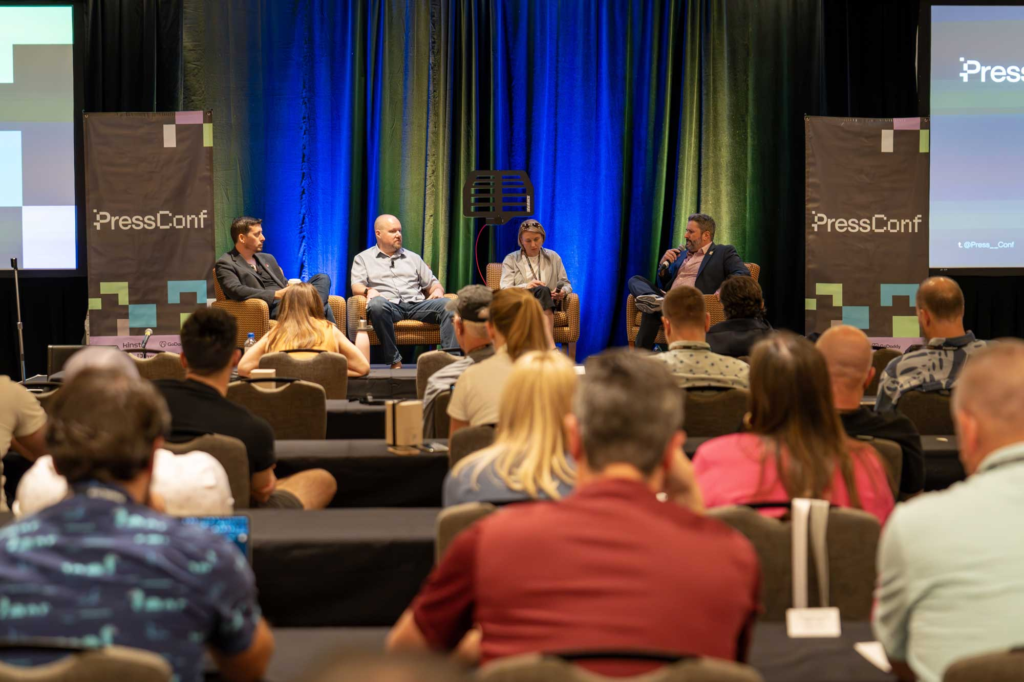
Every visual element within a press conference communicates something about the organization. From branded podiums and backdrop walls to presentation slides and digital displays, consistent branding reinforces professionalism.
Professional event branding helps photographers capture recognizable images that appear across newspapers, television broadcasts, websites, and social media platforms.
High-quality visuals, product displays, company logos, banners, and LED screens enhance storytelling while making the event more memorable. Clean, uncluttered designs ensure the announcement remains the primary focus rather than distracting decorative elements.
Visual consistency also improves social media sharing, helping audiences instantly recognize the organization behind the announcement.
The Importance of a Well-Prepared Press Kit
Journalists work under strict deadlines, making comprehensive press kits extremely valuable. Instead of relying solely on presentations, organizers should provide reporters with accurate information that simplifies their reporting process.
Modern press kits often include official press releases, executive biographies, company profiles, product specifications, fact sheets, high-resolution images, contact details, frequently asked questions, and downloadable digital assets.
Providing both printed and digital versions accommodates different working preferences while increasing the chances of accurate media reporting.
A detailed press kit reduces misunderstandings and ensures journalists have verified information when publishing their stories.
Technology Can Make or Break Your Press Conference
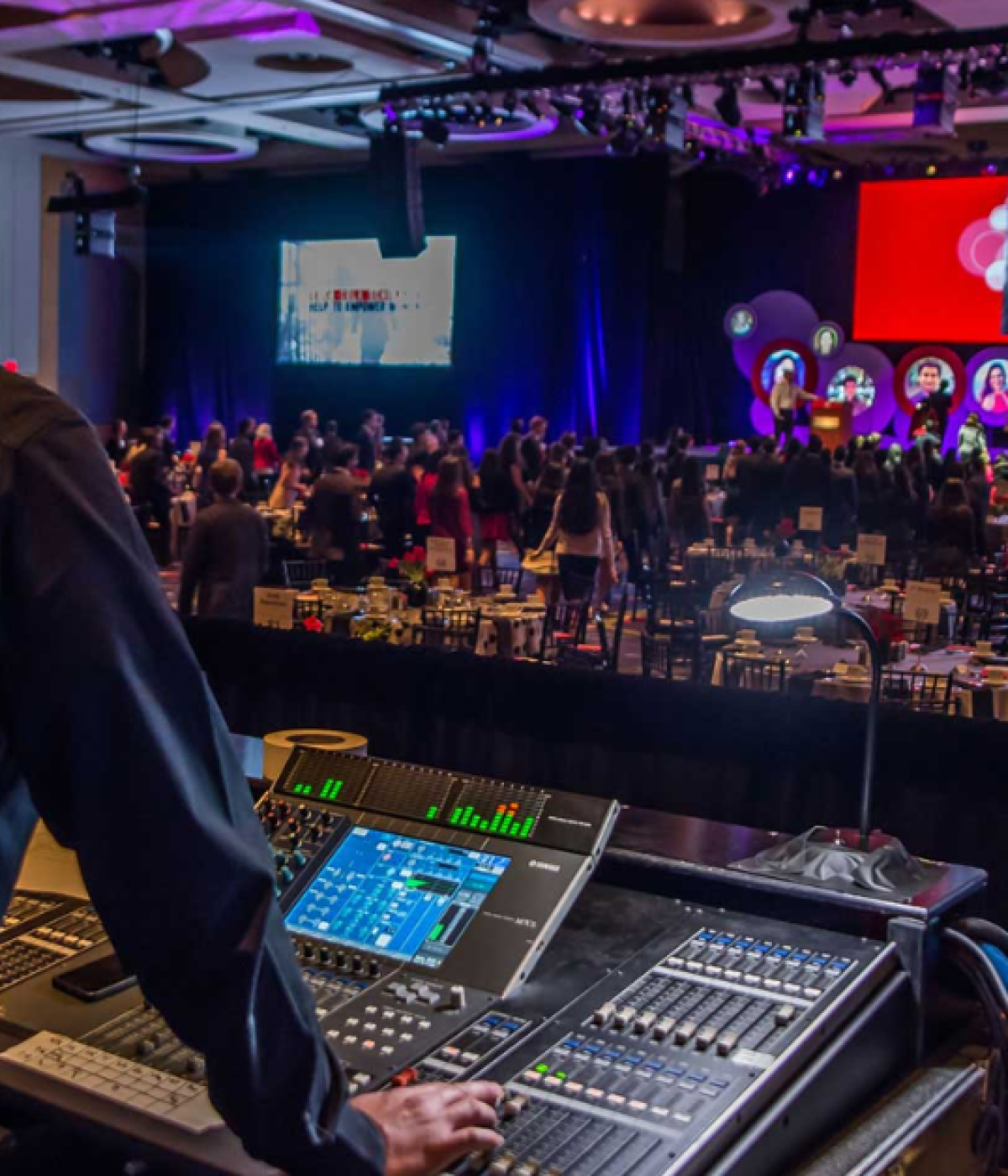
Technology has become an essential component of successful press conference event management. High-quality microphones, LED displays, live streaming equipment, presentation systems, stable internet connectivity, and professional audiovisual production significantly improve audience experience.
Many organizations now stream press conferences simultaneously across YouTube, LinkedIn, Facebook, and corporate websites, allowing global audiences to participate remotely.
Testing every piece of equipment before guests arrive minimizes technical failures that could interrupt presentations or negatively affect media coverage.
Reliable technology reflects professionalism and supports seamless communication throughout the event.
Crisis Communication Requires Extra Planning
Not every press conference celebrates positive news. Organizations frequently conduct media briefings during crises, accidents, legal matters, operational disruptions, or public controversies.
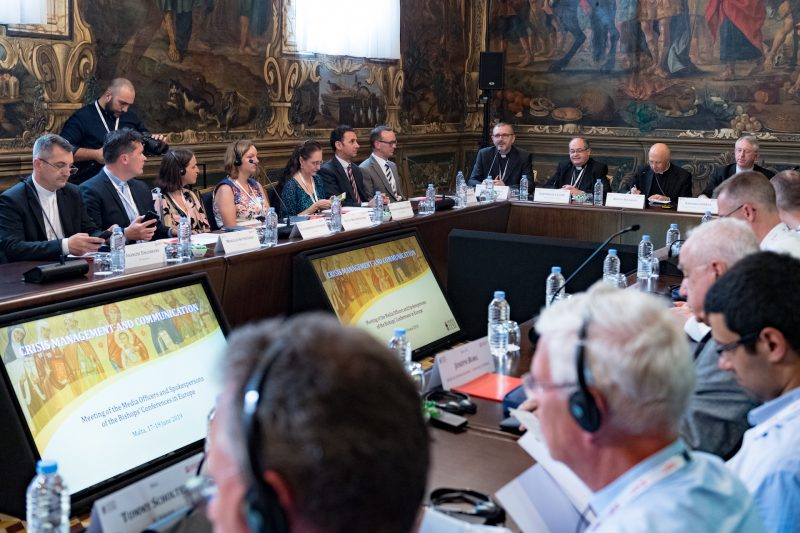
In such situations, crisis communication planning becomes even more important. Every statement must be factual, transparent, and carefully reviewed before delivery.
Spokespersons should acknowledge concerns, provide verified updates, avoid speculation, and communicate empathy where appropriate. Honest communication builds trust, while inconsistent messaging often creates additional public scrutiny.
Preparedness allows organizations to maintain credibility even during challenging situations.
Social Media Amplifies Every Press Conference
Today’s press conferences no longer end when journalists leave the venue. Social media extends the conversation far beyond the event itself.
Live tweeting, Instagram updates, LinkedIn posts, YouTube highlights, Facebook Live sessions, and short-form videos help organizations reach audiences who could not attend in person.
Using consistent hashtags, branded visuals, speaker quotes, and behind-the-scenes content increases engagement while encouraging audiences to participate in online discussions.
Combining traditional media coverage with digital marketing creates significantly greater visibility than relying on newspapers or television alone.
Measuring the Success of Your Press Conference
The effectiveness of press conference event planning should always be evaluated after the event concludes. Success extends beyond attendance numbers and includes media reach, audience engagement, message retention, social media performance, and business impact.
Organizations often measure the number of published articles, television mentions, online features, website traffic, social media impressions, audience sentiment, and post-event inquiries.
Collecting feedback from journalists, guests, speakers, and internal teams also helps identify opportunities for improvement in future media events.
Continuous evaluation enables organizations to refine their event strategy while strengthening relationships with the press.
Future Trends Transforming Press Conference Event Planning
The future of press conference management is becoming increasingly digital, interactive, and data-driven. Hybrid events now combine physical audiences with virtual participants from across the world.
Artificial intelligence is improving media monitoring, audience analytics, and personalized communication. Interactive digital presentations, virtual reality demonstrations, multilingual live captions, and automated press kit distribution are making events more accessible than ever before.
Sustainability is also becoming a priority, with organizations adopting paperless registrations, digital media kits, eco-friendly event materials, and energy-efficient production technologies.
As technology evolves, successful press conferences will continue blending human connection with digital innovation to create richer media experiences.
Great Press Conferences Begin with Great Planning
A memorable press conference does not happen by accident. It is the result of strategic press conference event planning, thoughtful media management, consistent messaging, seamless guest flow, professional branding, reliable technology, and effective communication.
Organizations that prioritize preparation create stronger relationships with journalists, achieve wider media coverage, and build lasting public trust. Every element, from the first invitation to the final media interview, contributes to the success of the event.
Whether you are planning a corporate announcement, government briefing, product launch, start-up unveiling, or crisis communication event, investing in professional press conference management, guest flow planning, media relations, and event communication strategy ensures your story reaches the right audience with maximum impact. In an increasingly competitive media environment, careful planning remains the most powerful tool for transforming an ordinary announcement into a headline-making event.