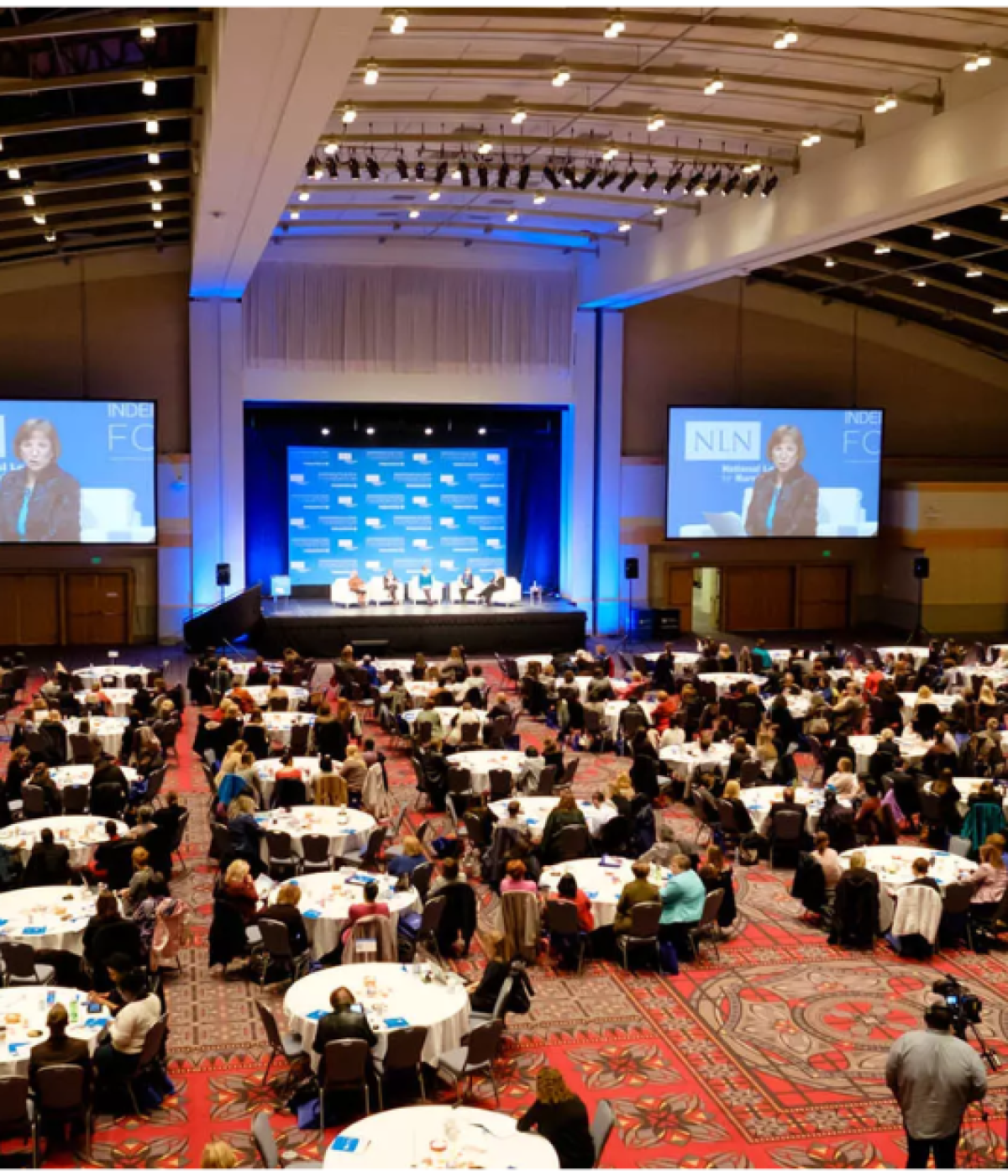
Corporate Awards Night Planning Guide starts with a simple truth that people may forget the menu, the event hashtag or even the decor details, but they rarely forget how an awards night made them feel.
A well-executed awards ceremony does much more than distribute trophies. It celebrates achievements, strengthens company culture, recognizes talent, boosts morale and creates memorable experiences that employees, partners, and stakeholders carry with them long after the evening ends.
Yet organizing a successful awards night is far more complex than booking a venue and setting up a stage. Behind every seamless ceremony is a carefully planned combination of event strategy, stage design, audience engagement, show flow, production management and guest experience planning.
The difference between an average awards night and an exceptional one often comes down to one thing, which is how thoughtfully the experience has been designed.
Awards Nights Are No Longer Just About Awards
Years ago, corporate awards events followed a predictable format.
Guests arrived.
Speeches happened.
Awards were distributed.
Dinner was served.
Everyone went home.
Today’s audiences expect much more. Modern corporate events compete with concerts, live entertainment, digital experiences, social media content and immersive brand activations.
As a result, awards nights are increasingly being designed as experiences rather than formal functions. The objective is no longer simply recognition.
It’s engagement. It’s emotion. It’s memory creation.
Start With a Clear Event Narrative
Before discussing stage layouts or production plans, successful event teams focus on a bigger question. What story is the evening trying to tell?
Every awards ceremony should have a central narrative. This could be:
| Theme Direction | Example Focus |
| Company Growth | Celebrating milestones and achievements |
| Innovation | Recognizing creativity and future thinking |
| Leadership | Honoring excellence and vision |
| Employee Recognition | Celebrating people behind success |
| Annual Achievement | Highlighting performance and impact |
When a clear narrative exists, every event element from visuals to speeches to entertainment feels connected. Without one, awards ceremonies can quickly become repetitive and disconnected.
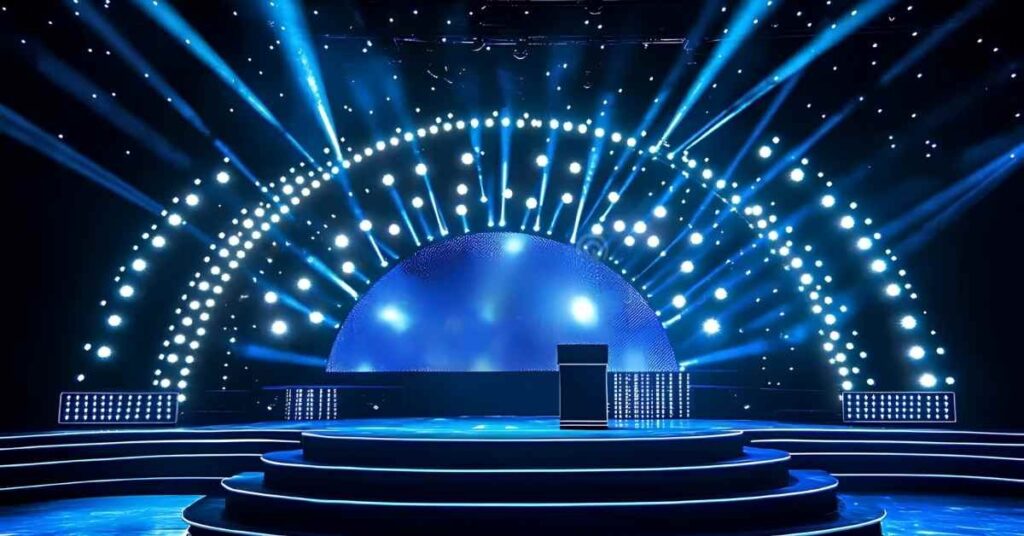
Elegant corporate awards ceremony stage featuring dynamic lighting and LED screens.
Why Stage Design Shapes the Entire Experience
The stage is more than a backdrop. It becomes the visual centerpiece of the event. Every guest will spend most of the evening looking toward it.
This is why stage design plays such a critical role in awards night planning. A strong stage environment typically combines:
- Brand identity
- Lighting design
- Motion graphics
- Screen content
- Award presentation zones
- Presenter comfort
The most successful designs balance professionalism with excitement. The goal is to create a space that feels prestigious while maintaining energy throughout the evening.
Flow Is What Keeps Guests Engaged
One of the most common mistakes in corporate awards events is focusing too heavily on production while neglecting flow. Guests rarely notice great event flow. But they immediately notice poor flow.
Long gaps. Delayed transitions. Back-to-back speeches. Slow award presentations. Extended technical pauses.
These moments can quickly affect audience energy. Premium event teams spend significant time designing event pacing to ensure the evening moves naturally. A well-balanced show often includes:
- Welcome moments
- Recognition segments
- Entertainment breaks
- Leadership messages
- Audience interaction
- Award presentations
The goal is to create rhythm. Not repetition.
Designing for Different Audience Types
One challenge unique to corporate awards nights is that multiple audience groups often attend the same event. These may include:
- Employees
- Senior leadership
- Partners
- Sponsors
- Clients
- Industry guests
Each group arrives with different expectations. An employee may be looking forward to recognition. A sponsor may focus on visibility. A client may evaluate the brand experience.
Successful event planning considers all of these perspectives simultaneously. This audience-centered approach creates stronger engagement across the room.
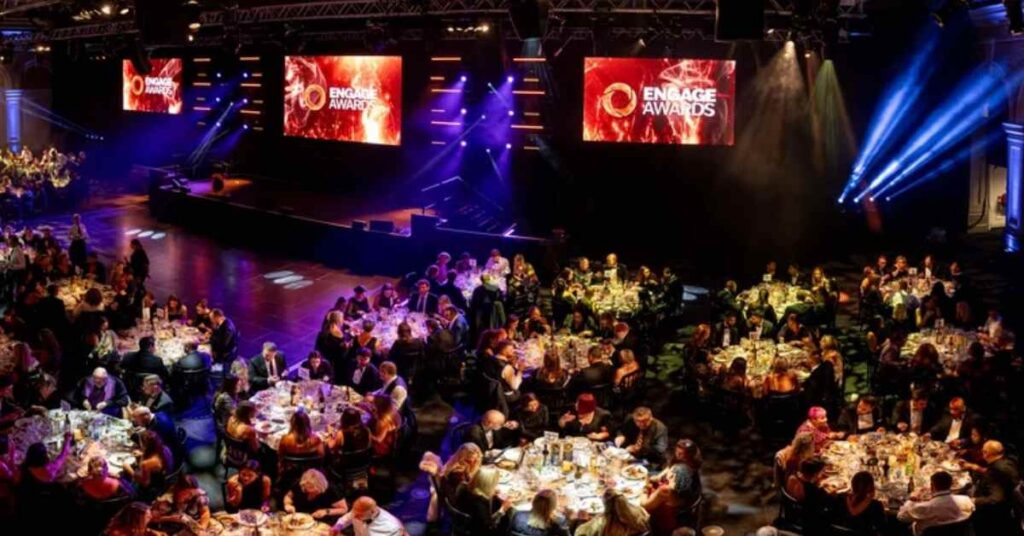
Corporate gala audience engaging with stage presentations and award announcements during a formal business event.
Credits: https://www.engageemployee.com/blog/meet-the-2025-engage-awards-winners
Guest Experience Begins Before Guests Arrive
One of the biggest misconceptions about event planning is that guest experience starts at the venue. In reality, it begins much earlier. The guest journey often starts with:
- Invitations
- Registration
- Communication
- Travel coordination
- Event updates
- Arrival planning
Every interaction contributes to the overall perception of the event. Premium event teams map the entire attendee journey to ensure consistency from start to finish.
The smoother the process feels, the more positive the experience becomes.
Also Read: VIP Guest Management: How Premium Event Teams Handle High-Value Attendees
The Power of Arrival Moments
First impressions matter. Particularly at awards ceremonies where anticipation is already high. Arrival experiences can include:
- Branded entry environments
- Welcome hosts
- Red carpet moments
- Photo opportunities
- Interactive installations
- Networking spaces
These elements immediately establish the tone of the evening. Guests begin forming impressions long before the first award is announced.
Recognition Should Feel Personal
Awards ceremonies succeed when recognition feels meaningful. Unfortunately, some events unintentionally turn recognition into a repetitive process.
Names are announced. Photos are taken. Guests return to their seats. The best events elevate recognition by creating moments. This can be achieved through:
| Recognition Strategy | Impact |
| Storytelling | Adds emotional connection |
| Personal achievements | Creates authenticity |
| Video tributes | Enhances engagement |
| Team acknowledgements | Builds inclusivity |
| Leadership messages | Reinforces appreciation |
People don’t just want awards. They want their contributions to feel valued.
Production Quality Matters More Than Ever
Today’s audiences are accustomed to highly polished experiences. Whether they are attending live events or consuming digital content, expectations are high.
As a result, production quality plays a significant role in perception. Key production elements include:
- Lighting design
- Audio quality
- Screen content
- Live show direction
- Stage management
- Technical coordination
When executed well, production becomes invisible. Everything simply works and that’s often the ultimate sign of excellent event execution.
Description: Professional awards show production featuring stage lighting, large-format screens, and audience-focused event design.
Entertainment Needs Strategic Placement
Entertainment is often included to maintain audience energy. But placement matters.
Entertainment should support the flow of the evening rather than interrupt it. The strongest awards events use performances strategically:
- Opening acts to create excitement
- Mid-show moments to reset energy
- Closing performances to end on a high note
This approach prevents fatigue while maintaining engagement throughout the event.
Networking Is Often the Hidden Objective
Many organizations focus heavily on the awards themselves. Yet networking is frequently one of the most valuable outcomes. Awards nights bring together:
- Leadership teams
- Employees
- Clients
- Industry stakeholders
- Partners
Providing opportunities for interaction can significantly enhance event value.
Thoughtful networking spaces, lounges, and social moments often create conversations that continue long after the event ends.
Post-Event Experience Matters Too
An awards ceremony doesn’t end when the stage lights turn off. Leading event teams extend engagement through:
- Event highlights
- Winner announcements
- Photography galleries
- Social content
- Thank-you communications
- Follow-up engagement
This keeps momentum alive while maximizing the impact of the event.
The experience becomes part of a larger brand story rather than a single evening.
What Great Awards Nights Have in Common
Regardless of industry or scale, successful awards ceremonies typically share a few characteristics:
✔ Clear storytelling
✔ Strong stage design
✔ Smooth show flow
✔ Meaningful recognition
✔ High production standards
✔ Guest-centered planning
✔ Memorable experiences
When these elements come together, an awards night becomes much more than an event.
It becomes a celebration people genuinely remember.
Final Thoughts
Corporate Awards Night Planning Guide isn’t really about trophies, stage sets,or production schedules.
At its core, it’s about people.
It’s about recognizing achievements, celebrating milestones, strengthening relationships and creating experiences that leave lasting impressions.
From stage design and event flow to hospitality and guest engagement, every detail contributes to the overall atmosphere of the evening.
The most successful awards nights feel effortless to attendees because enormous planning happens behind the scenes.
When guests leave inspired, appreciated, connected, and proud to have been part of the experience, the event has achieved something much bigger than recognition.
It has created a moment worth remembering.