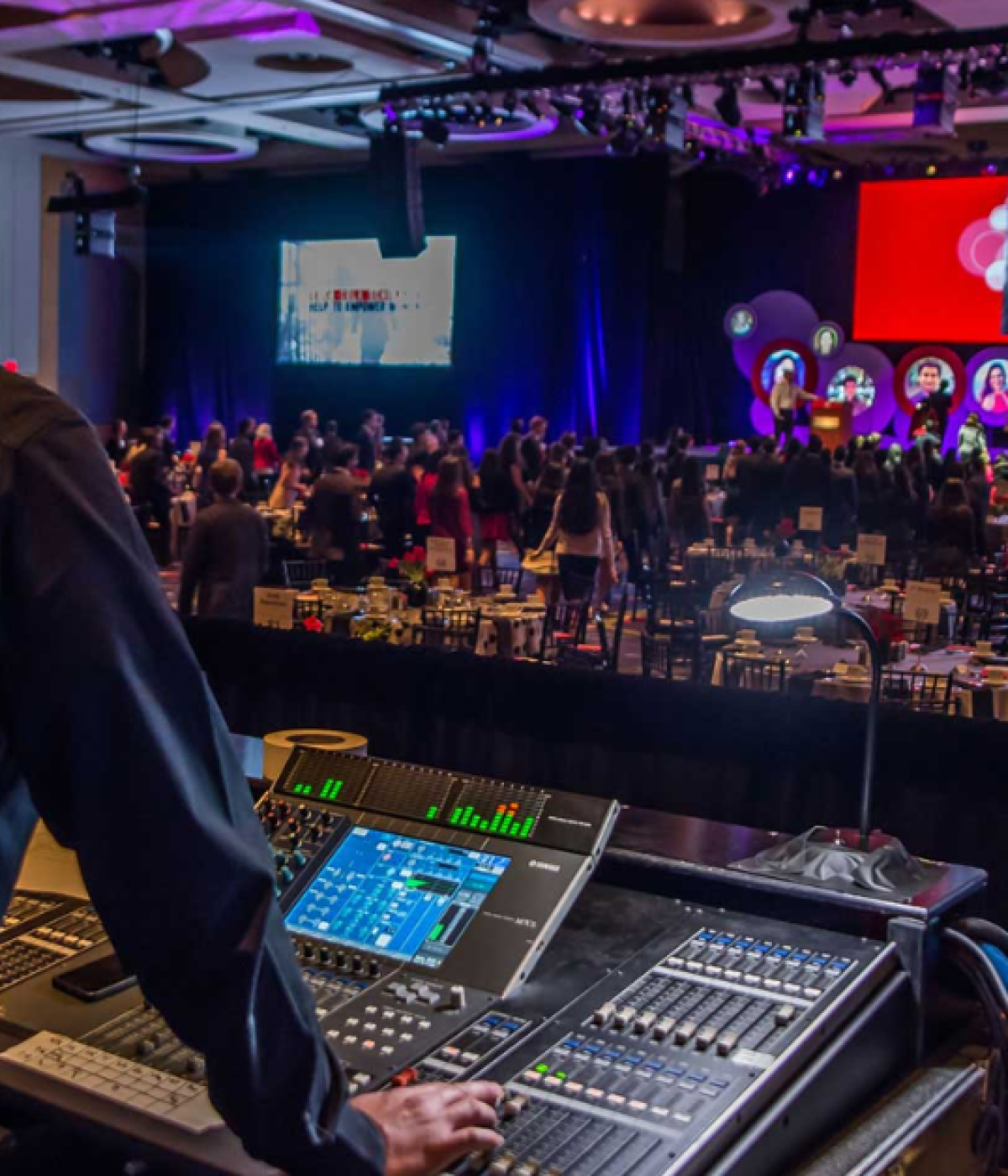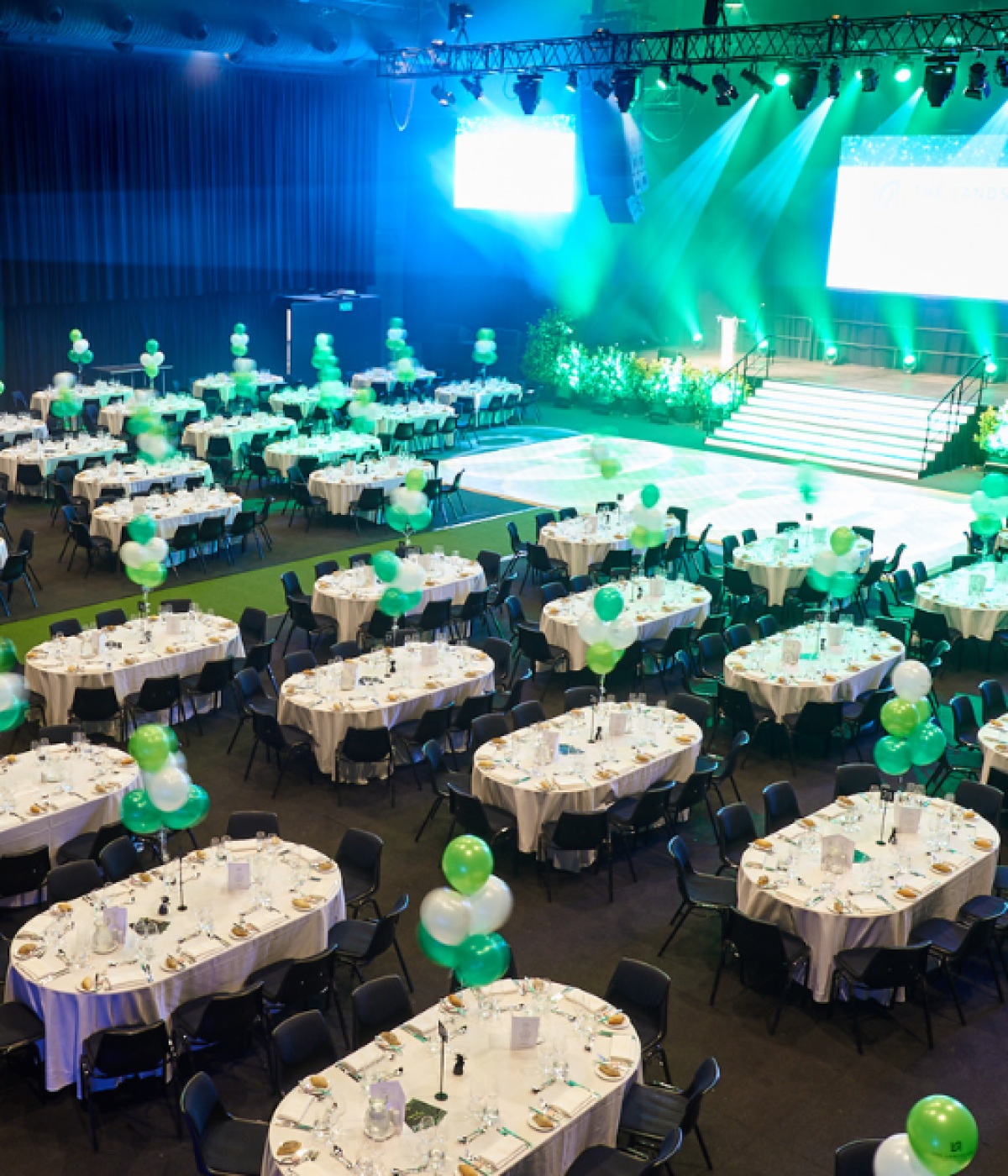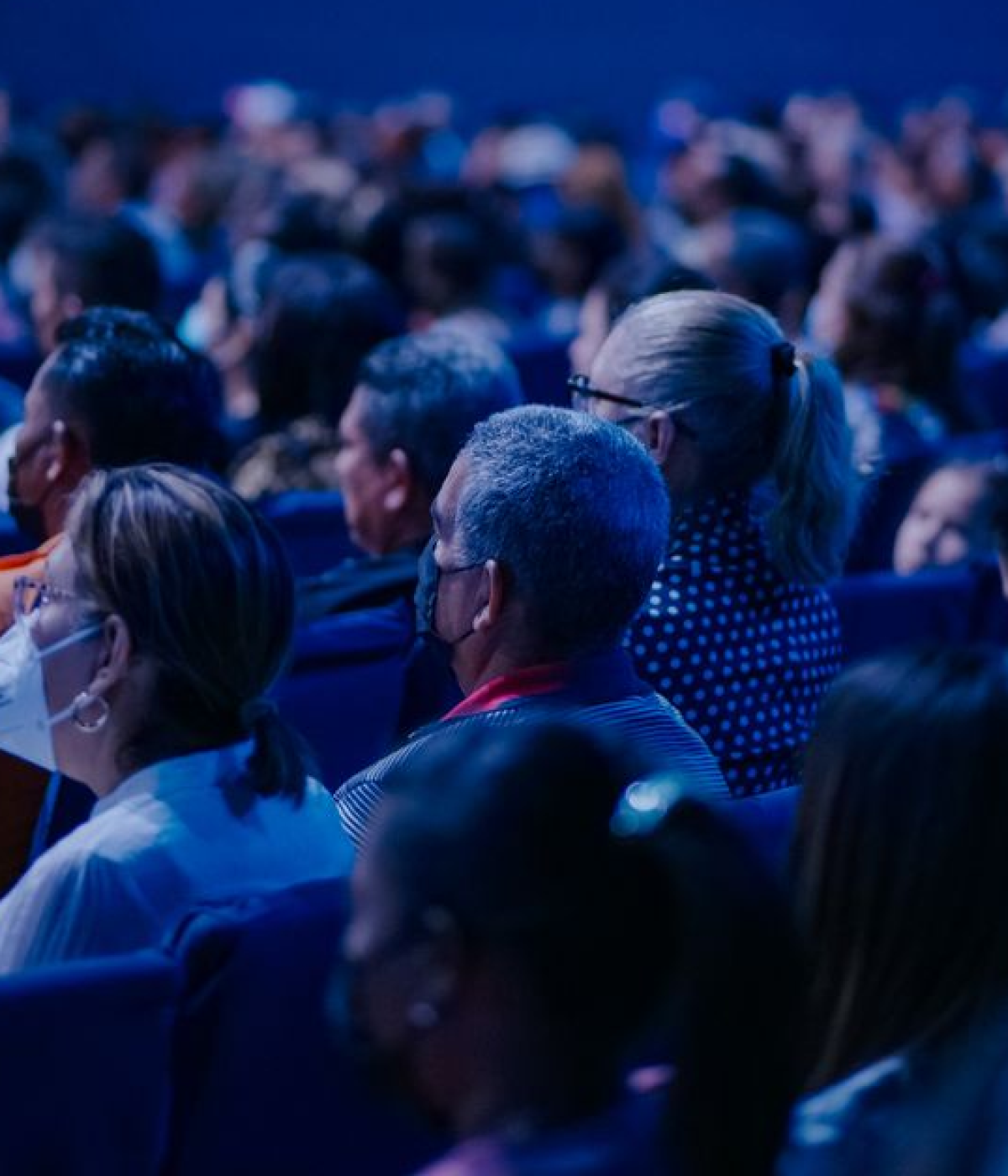
Corporate roadshow planning has become one of the most effective ways for businesses to connect with audiences across different regions while creating memorable, face-to-face brand experiences. Unlike a single event held in one location, a corporate roadshow takes your brand to multiple cities, allowing companies to reach new markets, strengthen customer relationships, generate qualified leads, and build long-term brand awareness.
Today’s consumers expect brands to deliver engaging and personalized experiences rather than simply advertise products. This is where corporate roadshow planning plays a significant role. Whether launching a new product, promoting a service, introducing innovative technology, or strengthening customer loyalty, a well-executed corporate roadshow creates lasting impressions in every city it visits.
A successful multi-city corporate roadshow is much more than transporting exhibition booths from one venue to another. It requires strategic planning, consistent branding, flawless logistics, local market understanding, creative event experiences, and seamless execution. Every destination should deliver the same high-quality brand experience while adapting to local audiences.
Why Corporate Roadshow Planning Is Becoming Essential for Modern Brands
Corporate businesses today compete in crowded markets where digital marketing alone cannot create deep emotional connections. Customers appreciate opportunities to interact directly with products, speak with experts, and experience a brand in person. Corporate roadshow planning bridges this gap by bringing brands closer to their audience.
Unlike traditional advertising campaigns, corporate roadshows create immersive brand experiences that encourage participation, conversations, demonstrations, and live engagement. These interactions often result in stronger trust, higher brand recall, and increased purchase decisions.
For B2B companies, corporate roadshows provide opportunities to meet distributors, architects, consultants, dealers, business partners, and decision-makers across multiple cities. For consumer brands, they generate excitement, product awareness, customer engagement, and social media visibility.

Setting Clear Objectives Before Planning a Multi-City Roadshow
Every successful corporate roadshow begins with clearly defined objectives. Without measurable goals, even the best-designed events may fail to deliver meaningful business results.
Some organizations focus on product launches, while others aim for lead generation, dealer engagement, customer education, investor communication, or brand awareness. Defining objectives helps determine venue selection, audience targeting, event format, marketing strategy, staffing requirements, and performance measurement.
Corporate roadshow planning becomes significantly easier when every city follows a common business objective while allowing flexibility for regional opportunities.
Also read – The Remarkable Story of Auroville Matrimandir: Inside India’s Golden Spiritual Landmark
Understanding Regional Markets Improves Corporate Roadshow Success
One of the biggest advantages of taking brand experiences across multiple cities is the opportunity to connect with different customer segments. However, every city has unique business cultures, customer expectations, buying behavior, and communication styles.
Successful corporate roadshow planning includes thorough market research before selecting destinations. Understanding regional industries, local competitors, audience demographics, seasonal trends, and cultural preferences allows brands to customize messaging without losing overall consistency.
A campaign that performs well in Mumbai may require slight adjustments in Bengaluru, Ahmedabad, Delhi, Chennai, or Hyderabad to maximize audience engagement.
Choosing the Right Cities for Maximum Brand Impact
Selecting the right locations is one of the most important decisions in corporate roadshow planning. Rather than simply visiting major metropolitan cities, businesses should identify markets with strong growth potential, existing customers, dealer networks, or emerging demand.
Factors such as accessibility, venue availability, audience density, local partnerships, industry presence, and marketing opportunities should influence city selection. A carefully planned route also reduces transportation costs while improving operational efficiency.
A well-designed multi-city roadshow often balances tier-one cities with rapidly growing tier-two markets to expand brand reach effectively.
Consistent Branding Creates a Unified Customer Experience
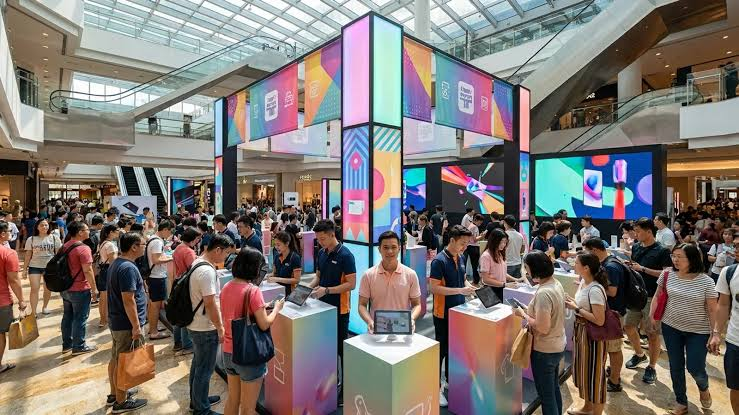
Consistency is one of the defining characteristics of successful corporate roadshow planning. Every city should deliver the same brand identity, visual language, messaging, and customer experience.
From exhibition design and event signage to staff uniforms, digital presentations, promotional materials, and product displays, every touchpoint should reinforce the brand’s personality. Visitors should instantly recognize the same professional standards regardless of the event location.
Maintaining consistent branding across multiple cities strengthens brand recognition and builds customer confidence over time.
Logistics Are the Backbone of Every Multi-City Roadshow
Behind every successful corporate roadshow lies a carefully coordinated logistics strategy. Transporting exhibition structures, audiovisual equipment, marketing materials, demo products, furniture, and technical infrastructure across multiple cities requires detailed planning.
Corporate roadshow planning includes transportation schedules, storage arrangements, installation timelines, dismantling processes, equipment maintenance, inventory management, and contingency planning.
Working with experienced event management professionals helps minimize delays while ensuring each venue is ready before visitors arrive.
Venue Selection Influences Audience Engagement
Choosing the right venue directly affects attendance, customer experience, and event success. The venue should align with the target audience while supporting product demonstrations, networking opportunities, presentations, and interactive activities.
Hotels, convention centres, corporate parks, shopping malls, universities, exhibition halls, innovation hubs, and business districts each serve different objectives.
Corporate roadshow planning should evaluate accessibility, parking facilities, visitor flow, technical infrastructure, branding opportunities, and venue flexibility before making final decisions.
Creating Interactive Brand Experiences That People Remember
Modern audiences expect experiences rather than presentations. The most successful corporate roadshows encourage visitors to participate instead of simply observe.
Interactive product demonstrations, virtual reality experiences, live workshops, expert talks, gamification, competitions, hands-on trials, digital engagement zones, and networking sessions make visitors spend more time with the brand.
These memorable experiences increase customer satisfaction while encouraging visitors to share their experiences across social media platforms, extending campaign reach organically.
Marketing Every City Before the Roadshow Arrives
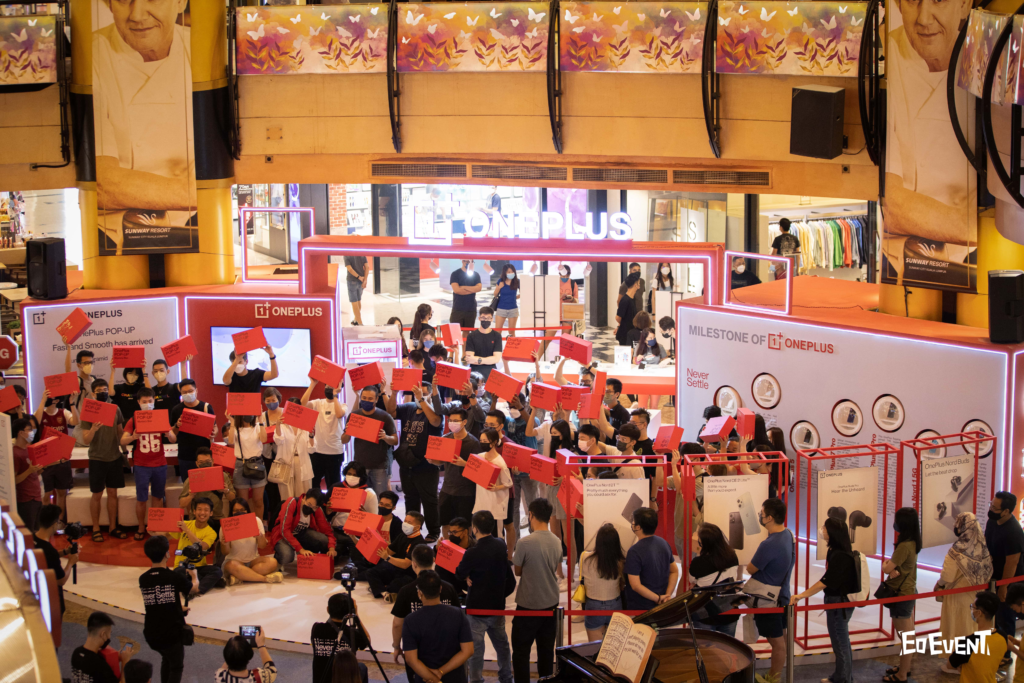
Even the best corporate roadshow cannot succeed without effective promotion. Every city requires its own localized marketing campaign to generate excitement before the event begins.
Corporate roadshow planning should include email marketing, social media campaigns, influencer collaborations, PR activities, local media outreach, digital advertising, WhatsApp invitations, industry associations, and partner promotions.
Building anticipation ensures higher registrations, increased attendance, and stronger audience engagement throughout the campaign.
Training the Event Team for Consistent Performance
People represent the brand more than exhibition booths or promotional materials. Every member of the event team should understand company messaging, customer expectations, product knowledge, and engagement techniques.
Corporate roadshow planning should include staff training sessions before the campaign begins. Teams should practice presentations, product demonstrations, customer interactions, lead qualification, and problem-solving scenarios.
Well-trained teams deliver confident conversations that improve customer trust while creating consistent experiences across every city.
Technology Makes Corporate Roadshow Planning More Efficient
Technology has transformed the way companies manage multi-city roadshows. Event management software, CRM integration, visitor registration platforms, QR code check-ins, digital surveys, live analytics, and automated follow-up systems improve operational efficiency.
Digital tools also help track attendance, visitor interests, lead quality, engagement rates, and campaign performance in real time.
Using technology throughout corporate roadshow planning allows marketing teams to make informed decisions while optimizing future events.
Measuring Success Beyond Attendance Numbers
Large visitor numbers do not always indicate a successful corporate roadshow. Businesses should evaluate meaningful performance indicators that align with campaign objectives.
Lead generation, customer engagement, product demonstrations, meeting quality, sales conversions, social media reach, brand awareness, customer feedback, media coverage, and partner relationships provide a more complete picture of event success.
Analyzing performance across multiple cities helps identify which locations, activities, and strategies deliver the strongest return on investment.
Common Challenges in Multi-City Corporate Roadshow Planning
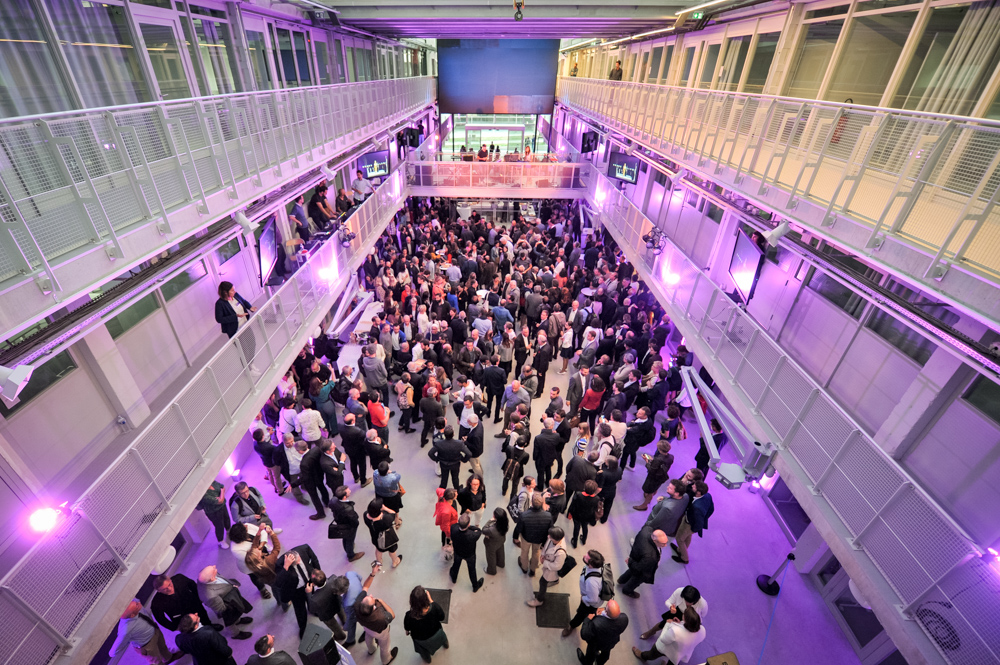
Managing multiple events across different cities naturally introduces operational challenges. Transportation delays, weather disruptions, venue restrictions, staffing issues, budget management, equipment damage, and scheduling conflicts can impact execution.
The key to successful corporate roadshow planning is preparation. Backup equipment, contingency budgets, alternate suppliers, flexible timelines, and experienced event partners help reduce risks while maintaining consistent event quality.
Organizations that anticipate potential challenges are better equipped to deliver seamless brand experiences regardless of unexpected circumstances.
The Long-Term Value of Corporate Roadshow Planning
Corporate roadshows are not one-time marketing campaigns. They build relationships that continue long after the event concludes. Every conversation, product demonstration, networking opportunity, and customer interaction contributes to stronger brand loyalty and business growth.
Companies that invest in consistent multi-city roadshow planning often establish stronger regional presence, improved customer trust, wider market reach, and increased sales opportunities. These events also provide valuable customer insights that influence future marketing strategies, product development, and business expansion.
As experiential marketing continues to grow, corporate roadshows remain one of the most effective ways to combine personal interaction with strategic brand communication.
Conclusion
Corporate roadshow planning is one of the most powerful strategies for creating memorable brand experiences across multiple cities. It allows businesses to move beyond traditional marketing by engaging audiences through meaningful conversations, live demonstrations, and immersive experiences that build trust and long-term relationships.
With careful planning, consistent branding, localized marketing, efficient logistics, skilled event teams, and data-driven decision-making, a multi-city corporate roadshow becomes far more than a series of events. It becomes a nationwide brand-building journey that strengthens visibility, expands market presence, generates qualified leads, and creates lasting customer connections. In an increasingly competitive business environment, investing in professional corporate roadshow planning is a strategic decision that delivers measurable value long after the final city has been visited.