Why Speaker Management is Critical for Business Conferences and Summits
A successful business conference, corporate summit, leadership forum, or industry convention is often judged by the quality of its speakers. Whether it is a keynote speaker, panelist, moderator, industry expert, CEO, entrepreneur, or thought leader, speakers play a crucial role in attracting attendees, delivering value, and enhancing the credibility of an event.
However, securing high-profile speakers is only one part of the process. Effective speaker management is what ensures smooth communication, timely coordination, seamless presentations, and a professional experience for both speakers and attendees. Without a structured speaker management checklist, event organizers often face challenges such as delayed presentations, last-minute cancellations, technical issues, scheduling conflicts, and poor audience engagement.
A well-planned speaker management strategy helps conference organizers streamline operations, improve speaker satisfaction, and create memorable event experiences. This guide explores the essential aspects of speaker management for business conferences and summits while providing practical insights into creating a flawless event.
Understanding the Importance of Speaker Management
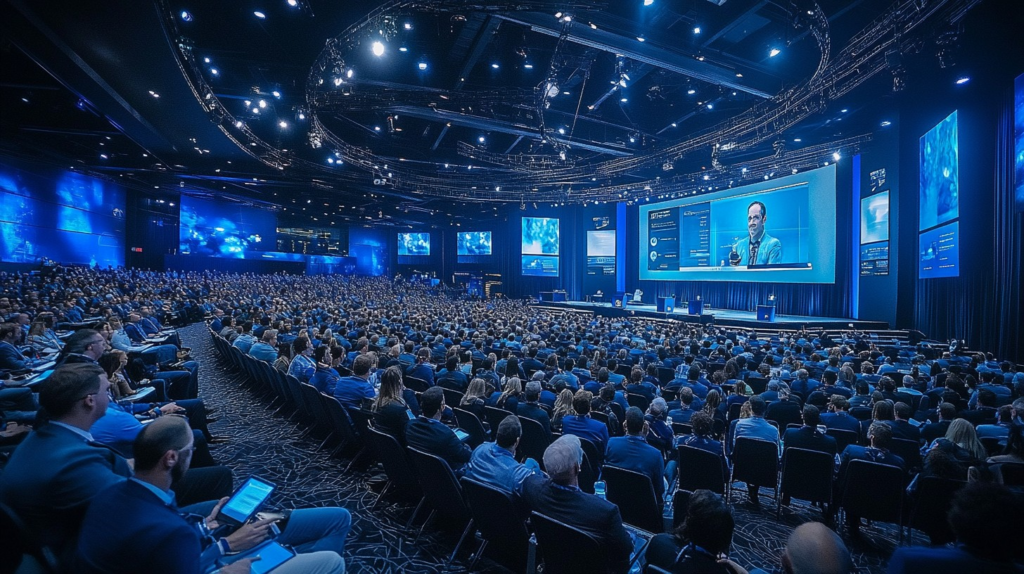
Speaker management is one of the most critical components of event planning and conference management. It involves coordinating every aspect of a speaker’s journey, from invitation and onboarding to presentation delivery and post-event engagement.
For business conferences and corporate summits, speakers are often the primary reason attendees register for the event. Industry experts and influential leaders bring valuable knowledge, insights, and networking opportunities that enhance the overall event experience.
Professional speaker management ensures that speakers are well-prepared, informed, and supported throughout the event. It also minimizes risks associated with scheduling errors, communication gaps, and technical disruptions that can negatively impact audience satisfaction.
Defining Event Objectives Before Selecting Speakers
Before reaching out to potential speakers, event organizers must clearly define the objectives of the conference or summit. Understanding the purpose of the event helps identify speakers who align with the event theme, target audience, and business goals.
A technology conference may require innovation leaders and digital transformation experts, while a real estate summit may benefit from developers, architects, urban planners, and policymakers. Aligning speaker expertise with audience expectations increases engagement and enhances the event’s reputation.
Clear event objectives also help organizers develop focused speaker sessions, panel discussions, fireside chats, and keynote presentations that deliver meaningful value to attendees.
Creating a Strategic Speaker Outreach Process
The speaker invitation process should begin several months before the event. Early outreach allows organizers to secure preferred speakers and accommodate their schedules.
When approaching potential speakers, it is important to communicate the event’s purpose, audience profile, expected attendance, speaking format, session duration, and promotional opportunities. A well-crafted speaker invitation demonstrates professionalism and increases the likelihood of acceptance.
Building strong relationships during the outreach stage creates a positive impression and lays the foundation for smooth speaker coordination throughout the event planning process.
Also read – Why Are European Streets So Beautiful? The Design Secrets Behind Walkable Cities
Establishing Clear Communication Channels
Communication is the backbone of successful speaker management. Once speakers confirm participation, organizers should establish clear and consistent communication channels.
Providing speakers with a dedicated point of contact helps streamline information sharing and eliminates confusion. Regular updates regarding event schedules, travel arrangements, venue details, presentation deadlines, and technical requirements ensure that speakers remain informed and prepared.
Transparent communication also helps build trust and confidence, making speakers feel valued and supported throughout their event journey.

Collecting Speaker Information and Assets
One of the most overlooked aspects of conference speaker management is gathering complete speaker information in advance. Organizers should collect professional biographies, headshots, social media profiles, presentation titles, session descriptions, and company details.
These assets are essential for event marketing, conference websites, social media promotions, speaker announcements, event brochures, and attendee communications.
Accurate and professionally presented speaker profiles contribute significantly to event branding and audience engagement while enhancing the overall credibility of the conference.
Managing Speaker Contracts and Agreements
For many business conferences and corporate summits, formal speaker agreements are necessary. These agreements help define expectations and protect both organizers and speakers.
Contracts should clearly outline speaking responsibilities, compensation arrangements, travel reimbursements, accommodation details, intellectual property rights, and cancellation policies. Having documented agreements reduces misunderstandings and ensures accountability.
A well-structured speaker agreement also demonstrates professionalism and strengthens relationships with industry leaders and keynote speakers.
Coordinating Travel and Accommodation Arrangements
Travel management is an important component of speaker logistics. Many speakers travel from different cities or countries to participate in conferences and summits, making efficient travel coordination essential.
Organizers should provide clear travel instructions, airport transfer details, hotel information, venue directions, and emergency contact information. Confirming travel arrangements well in advance helps prevent last-minute complications.
A smooth travel experience allows speakers to focus on delivering high-quality presentations and engaging effectively with attendees.
Preparing Speakers for Event Success
Speaker preparation plays a significant role in the overall quality of conference sessions. Organizers should conduct briefing sessions to familiarize speakers with event objectives, audience demographics, session formats, and timing expectations.
Sharing detailed speaker guidelines helps maintain consistency across presentations and ensures alignment with conference themes. Providing information about attendee interests and industry trends can also help speakers tailor their content more effectively.
Well-prepared speakers are more confident, engaging, and capable of delivering valuable insights that resonate with audiences.
Managing Presentation Content and Deadlines
Presentation management is a crucial aspect of speaker coordination. Collecting presentation slides before the event allows organizers to review content, verify compatibility, and identify any potential technical issues.
Establishing submission deadlines encourages timely preparation and reduces last-minute stress. Reviewing presentations also helps ensure that content aligns with event objectives and maintains professional standards.
Effective presentation management contributes to seamless session delivery and minimizes disruptions during the conference.
Conducting Technical Rehearsals and Speaker Briefings
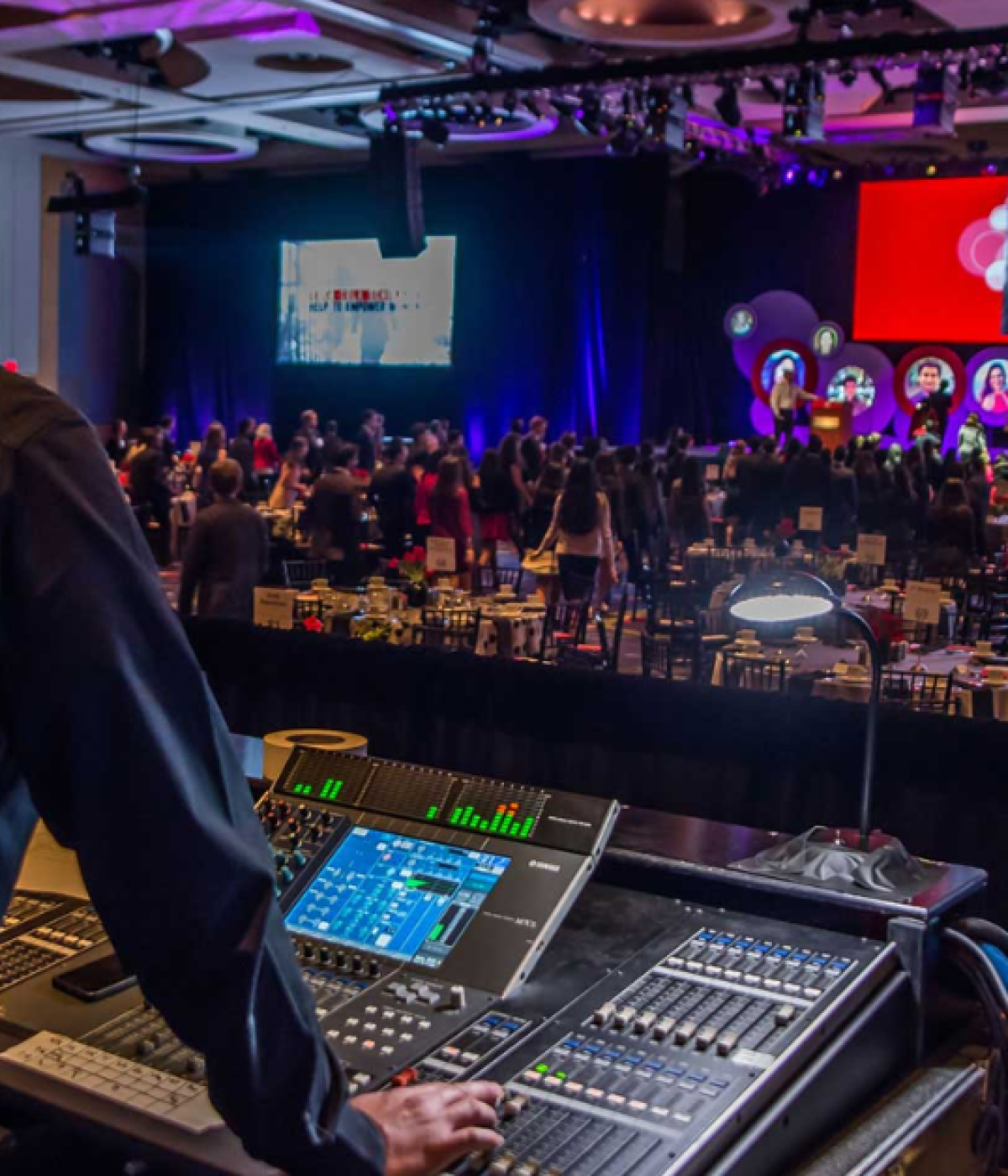
Technical issues can significantly impact audience experience during business conferences and summits. To prevent disruptions, organizers should schedule technical rehearsals with speakers before the event.
Testing microphones, presentation clickers, audiovisual systems, stage monitors, video playback, and internet connectivity ensures that all technical components function correctly.
Speaker rehearsals also provide an opportunity to review stage logistics, timing cues, audience interaction methods, and session transitions. This preparation creates confidence and reduces the likelihood of unexpected challenges.
Creating a Seamless On-Site Speaker Experience
The speaker experience begins the moment a speaker arrives at the venue. Professional event management includes dedicated speaker registration, hospitality services, green rooms, refreshments, and support staff.
Providing speakers with detailed event schedules, venue maps, and session information helps them navigate the event efficiently. Having a dedicated speaker management team available throughout the conference ensures that any issues are resolved quickly.
A positive speaker experience not only enhances event execution but also encourages future participation and referrals.

Coordinating Panel Discussions and Moderators
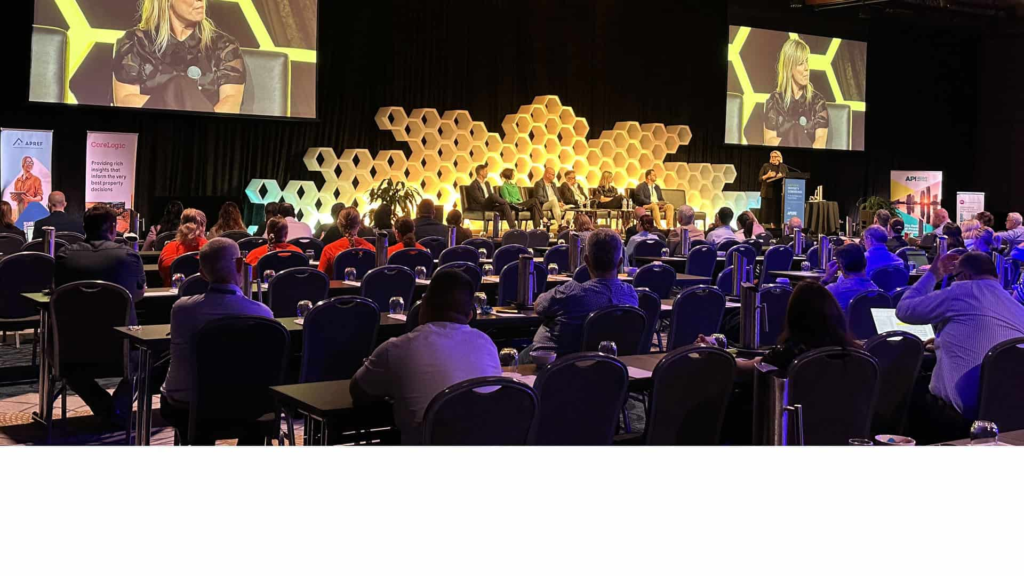
Panel discussions are among the most popular formats at business conferences and leadership summits. Effective panel management requires close coordination between speakers and moderators.
Organizers should facilitate pre-event discussions to establish session objectives, discussion topics, speaking order, and audience engagement strategies. Clear coordination helps maintain balanced conversations and ensures that all panelists contribute effectively.
Well-managed panels create dynamic discussions, encourage diverse perspectives, and provide greater value to attendees.
Managing Speaker Engagement During the Event
Beyond delivering presentations, speakers often participate in networking sessions, media interviews, workshops, and attendee interactions. Proper scheduling and coordination help maximize these opportunities.
Encouraging speakers to engage with attendees enhances the overall event experience and strengthens the conference’s reputation as a valuable networking platform. Active speaker participation often leads to higher attendee satisfaction and increased event loyalty.
Creating opportunities for meaningful interactions also helps build long-term relationships between speakers, organizers, and participants.
Post-Event Speaker Follow-Up and Relationship Building
Speaker management does not end when the conference concludes. Post-event communication is essential for maintaining professional relationships and gathering valuable feedback.
Thank-you messages, event highlights, audience feedback, and performance metrics demonstrate appreciation for speaker contributions. Sharing event photos, recordings, and social media coverage can further strengthen relationships.
Long-term speaker engagement creates a reliable network of industry experts who may participate in future conferences, summits, and corporate events.
Building Exceptional Conferences Through Effective Speaker Management
Successful business conferences and summits rely heavily on effective speaker management. From speaker selection and communication to travel coordination, presentation management, technical rehearsals, and post-event engagement, every stage contributes to the overall success of the event.
A comprehensive speaker management checklist helps event organizers deliver seamless experiences, minimize operational risks, and create impactful sessions that resonate with audiences. As the conference and events industry becomes increasingly competitive, professional speaker management remains one of the most powerful tools for ensuring memorable, engaging, and successful business events.
Organizations that invest in structured conference speaker management processes are better positioned to attract influential speakers, enhance attendee satisfaction, and establish themselves as leaders in the event industry.