Conference Agenda Design can make or break an event.
You can secure an impressive venue, bring in renowned speakers, invest heavily in production, and create stunning branding but if the agenda feels repetitive, exhausting or poorly paced, audience attention starts disappearing long before the closing session.
Today’s attendees are navigating endless notifications, packed schedules, virtual meetings and shrinking attention spans. Keeping a room engaged for six, eight, or even ten hours requires far more than simply filling time slots with presentations.
The most successful conferences understand that an agenda isn’t just a schedule.
It’s an experience journey.
Every session, break, transition, and interaction influences how people feel throughout the day.
When attendees leave saying, “That day flew by,” it’s usually because the agenda was designed thoughtfully not because the day was shorter.
Think Like an Experience Designer, Not a Scheduler
Many conference agendas are created backwards. Organizers start by listing speakers, assigning time slots and fitting sessions into available hours.
The result often feels functional but not engaging.
Great conference agenda design begins with a different question: How should the audience feel throughout the day? Every event has natural energy highs and lows.
People arrive curious. Attention peaks in the morning. Energy often drops after lunch. Focus decreases toward late afternoon.
Rather than fighting these patterns, successful event planners design around them.
The agenda becomes less about logistics and more about audience energy management.
The Audience’s Attention Is a Limited Resource
One of the biggest mistakes conference organizers make is assuming audiences can absorb information continuously.
They can’t.
Research consistently shows that concentration naturally fluctuates throughout the day. This means engagement isn’t created by adding more content. It’s created by creating the right rhythm.
| Agenda Element | Audience Impact |
| Long keynote sessions | High attention initially, declining over time |
| Interactive discussions | Increased participation |
| Networking breaks | Mental reset |
| Panels and debates | Variety and perspective |
| Workshops | Active engagement |
| Experiential moments | Higher memory retention |
The goal is not to maximize content. The goal is to maximize engagement.

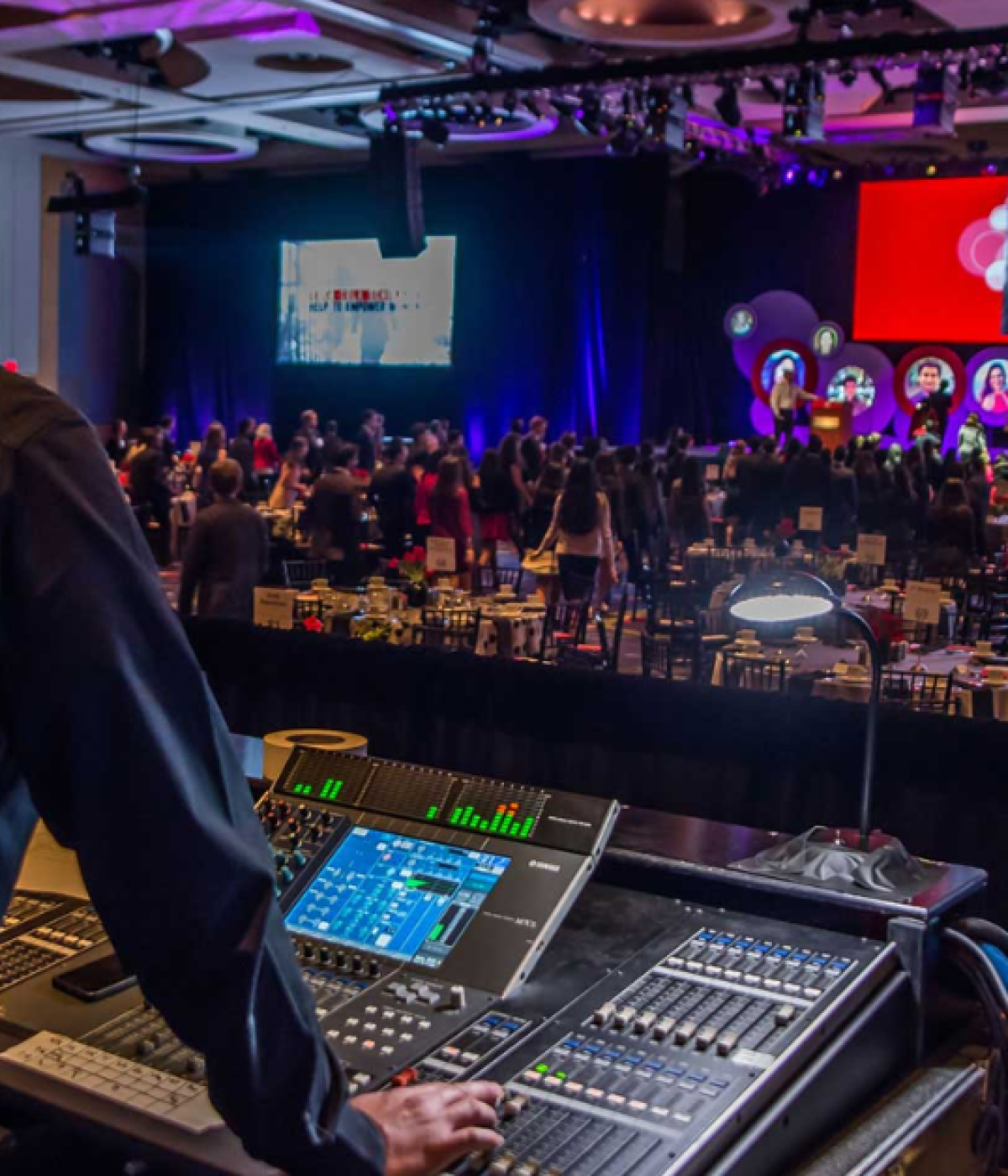
A large business conference audience actively engaged during a keynote session with dynamic stage design.
Credits: https://curatedevents.com/blog/how-to-engage-your-audience-at-a-corporate-event/
Every Great Conference Needs an Energy Curve
Think about a great movie. It doesn’t maintain the same pace throughout. There are moments of excitement, reflection, tension and release.
Conference agendas work the same way. The strongest events create an intentional energy curve. A typical flow might look like:
Morning
- High-impact keynote
- Vision-setting discussions
- Industry insights
Midday
- Panels
- Audience participation
- Networking opportunities
Afternoon
- Workshops
- Case studies
- Interactive experiences
Closing
- Inspiration
- Future-focused conversations
- Memorable takeaways
This variation keeps attendees mentally refreshed rather than overwhelmed.
Stop Treating Every Speaker Session the Same
One reason audiences disengage is repetition. Imagine sitting through eight consecutive presentations delivered in the exact same format.
Even excellent content begins to feel predictable. Modern conference design increasingly blends different session formats:
- Keynotes
- Fireside chats
- Panel discussions
- Live demonstrations
- Audience Q&As
- Roundtables
- Workshops
Different formats activate attention in different ways.
They create movement within the agenda without requiring major production changes.
And honestly, variety is often one of the simplest ways to improve audience retention.
The Most Important Session Is Often the First One
The opening session establishes expectations for everything that follows. If the conference starts slowly, attendees may assume the rest of the day will feel similar.
Strong opening sessions typically achieve three objectives:
- Create excitement
- Establish relevance
- Build anticipation
This doesn’t necessarily require a celebrity speaker.
Sometimes a powerful story, a compelling industry insight, or an engaging moderator can have a greater impact. The goal is to immediately answer a question every attendee is subconsciously asking:
“Is this worth my time?”
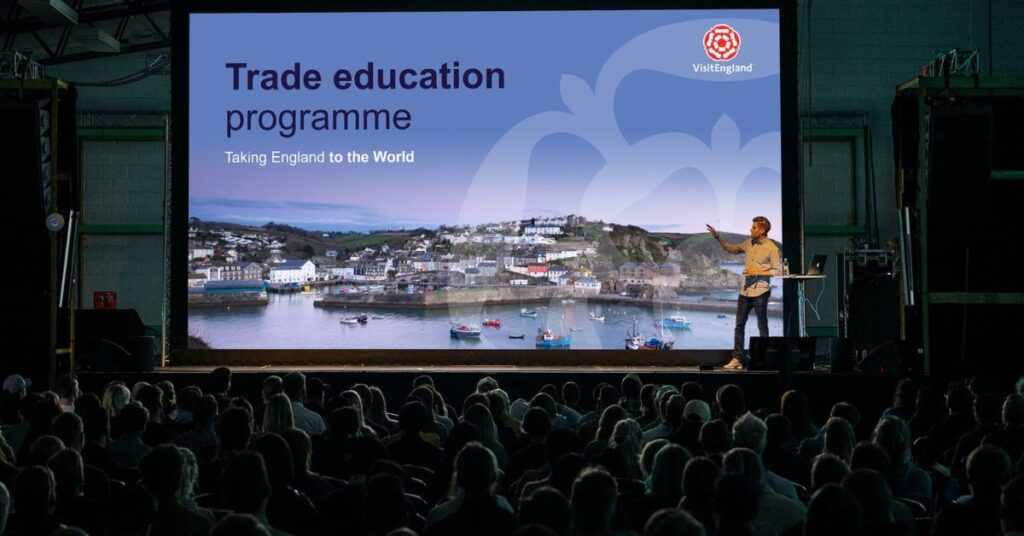
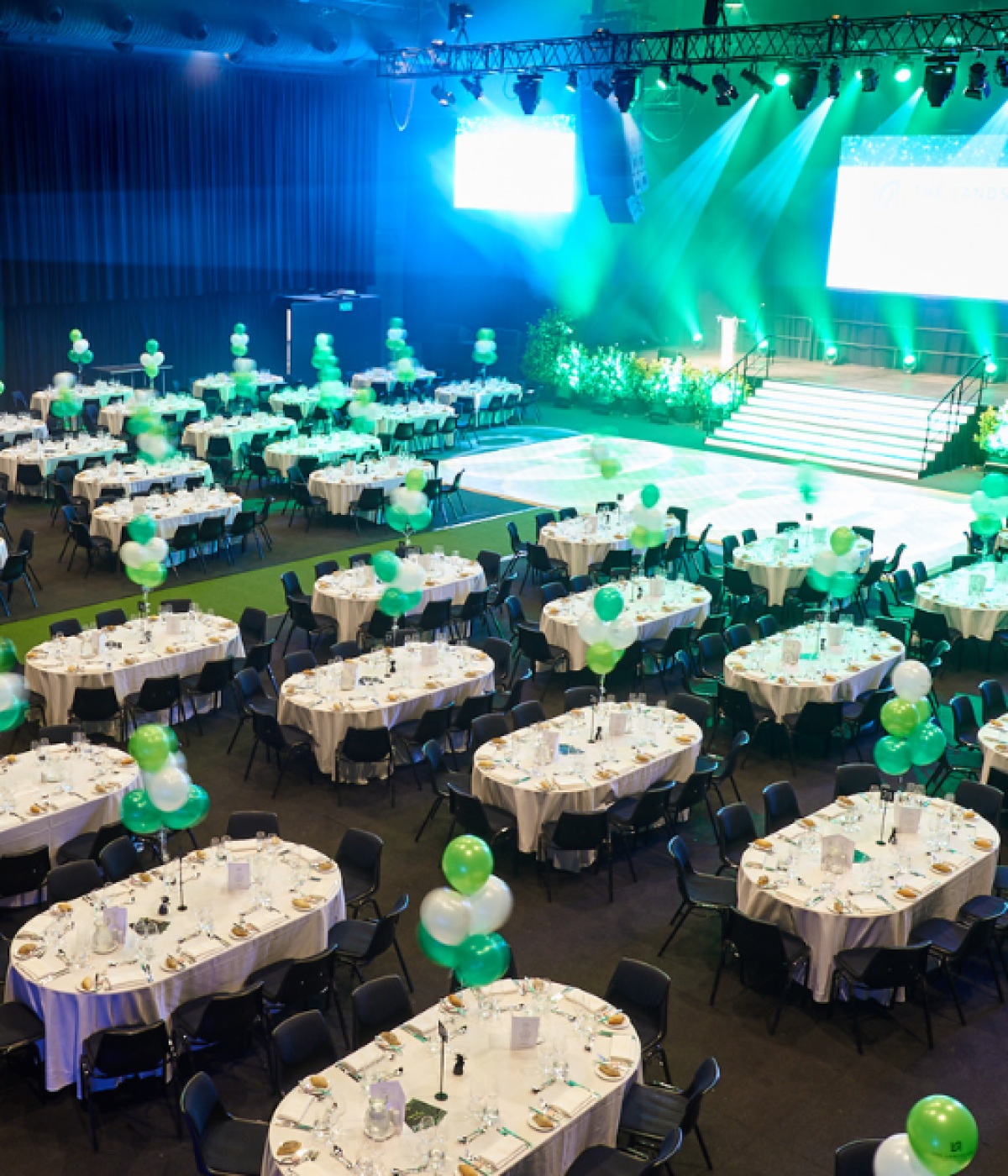
Conference keynote presentation with audience-focused stage design, large screens, and immersive lighting.
Credits: https://buffalo7.co.uk/presentation-design-services/conference/
Also Read: 11 Powerful Corporate Conference Planning Strategies That Guarantee Event Success
Breaks Are Part of the Agenda, Not Interruptions
Many event planners view breaks as gaps between sessions. In reality, breaks are essential engagement tools. People need opportunities to:
- Process information
- Recharge mentally
- Network informally
- Check messages
- Move around
When breaks are removed or shortened excessively, fatigue accumulates quickly.
The result? Lower participation and reduced content retention.
Well-designed conferences treat breaks as active components of the attendee experience rather than empty spaces in the schedule.
Networking Shouldn’t Be an Afterthought
Ask attendees what they value most from conferences and many will mention networking. Yet networking is often confined to coffee breaks or post-event cocktails.
The most effective conference agendas intentionally create opportunities for interaction throughout the day. This might include:
- Structured networking sessions
- Roundtable discussions
- Peer to peer exchanges
- Collaborative workshops
- Small-group conversations
The audience becomes part of the content rather than simply consumers of it.
And that shift can dramatically improve engagement.
Session Length Matters More Than Most People Think
Longer doesn’t automatically mean better. In fact, many modern conferences are moving toward shorter, more focused sessions. Compare:
| Format | Typical Engagement Level |
| 60-minute presentation | Moderate |
| 20-minute keynote | High |
| 30-minute panel | High |
| Interactive workshop Very High | Very High |
This doesn’t mean every session should be short. It means session duration should align with audience attention and content depth.
The best agendas balance both.
Build Moments People Remember
Attendees rarely remember every statistic, slide, or presentation.
They remember moments. Moments create emotional connections. These can include:
- Unexpected speaker insights
- Powerful storytelling
- Audience participation
- Interactive installations
- Live demonstrations
- Thought-provoking discussions
Experience design is increasingly becoming one of the most important aspects of conference planning. Because ultimately, memorable experiences drive stronger event recall.
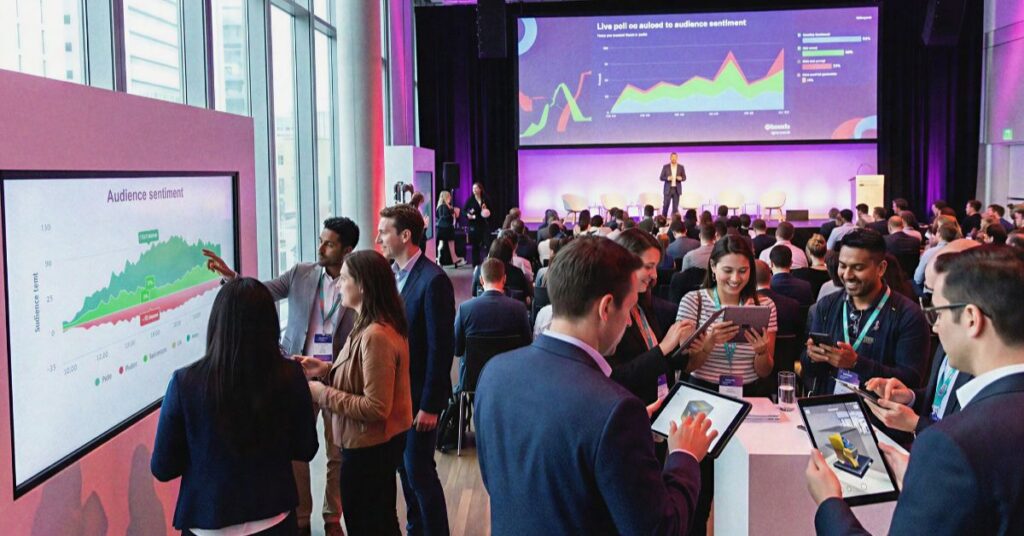
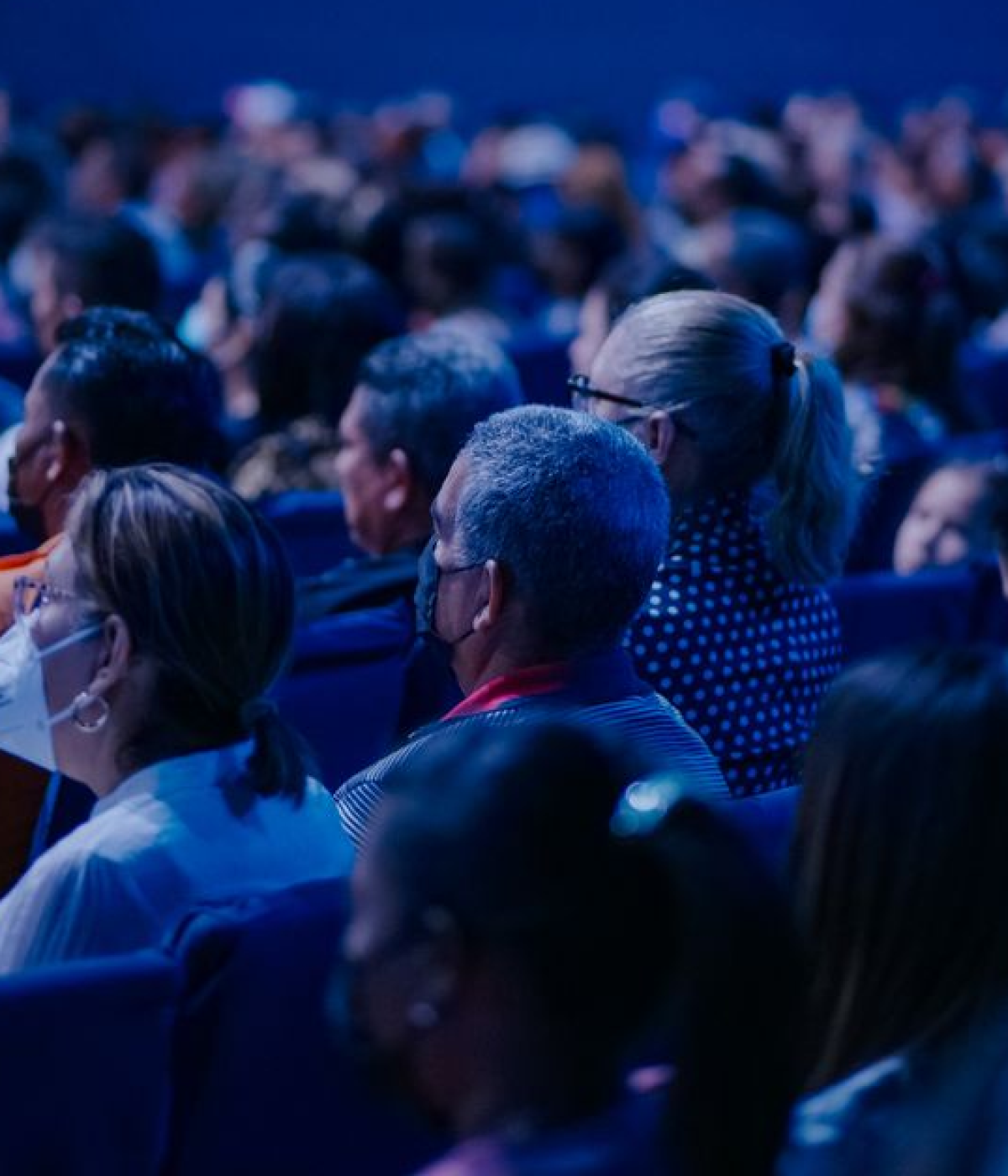
Interactive conference experience featuring audience participation and immersive event engagement.
Credits: https://halotechmedia.sg/blog/transform-event-into-interactive-experiences/
Hybrid Audiences Require Different Agenda Thinking
As hybrid events continue to grow, agenda design has become even more important. Virtual audiences experience fatigue faster than in-person attendees. This means hybrid conferences often require:
- Shorter sessions
- More transitions
- Digital engagement opportunities
- Interactive polls
- Live Q&A segments
The goal is to ensure online participants remain active rather than passive viewers.
Successful conference agendas now consider both physical and digital audience journeys simultaneously.
The Best Conferences End Strong
Many events unintentionally lose momentum toward the end of the day.
Energy drops. Attendance decreases. Sessions feel less important. Strong agenda design avoids this.
The closing session should feel like a culmination rather than an obligation.
Whether it’s a visionary keynote, a compelling industry conversation, or an inspiring closing message, attendees should leave feeling energized rather than exhausted.
Because the final session often shapes the lasting memory of the event.
What High-Performing Conference Agendas Have in Common
Despite differences in industry, audience size, or event objectives, successful conferences tend to share several characteristics:
✔ Clear narrative flow
✔ Session variety
✔ Strategic breaks
✔ Audience participation
✔ Strong opening moments
✔ Purposeful networking
✔ Memorable closing experiences
The common thread is intentionality. Nothing feels random. Everything supports the audience’s journey.
Final Thoughts
Conference Agenda Design is about much more than organizing speakers and managing time slots. At its best, it is the art of shaping attention, energy and experience throughout an entire day.
The most successful conferences don’t overwhelm audiences with information.
They guide them through a carefully crafted journey of learning, interaction, reflection, and inspiration.
For event professionals, that means thinking beyond logistics and focusing on how attendees actually experience the day.
Because ultimately, people rarely judge a conference by how much content it delivered.
They judge it by how engaged they felt while experiencing it.
And that’s exactly where great agenda design makes all the difference.