Why Corporate Conference Planning Matters
Corporate conference planning is much more than booking a venue and inviting attendees. A successful corporate conference creates opportunities for networking, knowledge sharing, brand building, and business growth. Whether it is a leadership summit, industry conference, annual business meeting, product launch, or corporate networking event, effective conference planning ensures that every element works together to create a seamless experience.
In today’s competitive business environment, companies use corporate conferences to strengthen relationships, showcase expertise, and engage stakeholders. Proper corporate event management helps organizations maximize return on investment while delivering meaningful experiences for attendees. From the initial event brief to the final closing session, every stage of conference planning plays a critical role in achieving business objectives.
Understanding the Event Brief and Conference Objectives
Every successful corporate conference begins with a clear event brief. The event brief serves as the foundation of the entire conference planning process. It outlines the conference goals, target audience, event format, budget, key messages, and expected outcomes.
Before moving forward with logistics and event management, organizers must understand why the conference is being held. Some corporate conferences focus on employee engagement, while others aim to generate leads, strengthen client relationships, launch new products, or position a company as an industry leader.
A well-defined event brief helps event planners align every decision with the conference objectives. This clarity ensures that speakers, content, venue selection, and attendee experiences contribute to the overall success of the corporate event.
Conference Budget Planning and Financial Management
Budget planning is one of the most important aspects of corporate conference management. A realistic conference budget allows organizers to allocate resources efficiently while avoiding unnecessary expenses.
Corporate conference budgets typically include venue rental, audio-visual equipment, speaker fees, catering, event branding, marketing, registration systems, transportation, accommodation, and staffing costs. Understanding these expenses early helps event planners make informed decisions throughout the planning process.
Careful financial management also creates flexibility for unexpected requirements. By monitoring expenses and maintaining budget control, organizations can deliver high-quality corporate conferences without compromising on attendee experience.
Choosing the Right Conference Venue
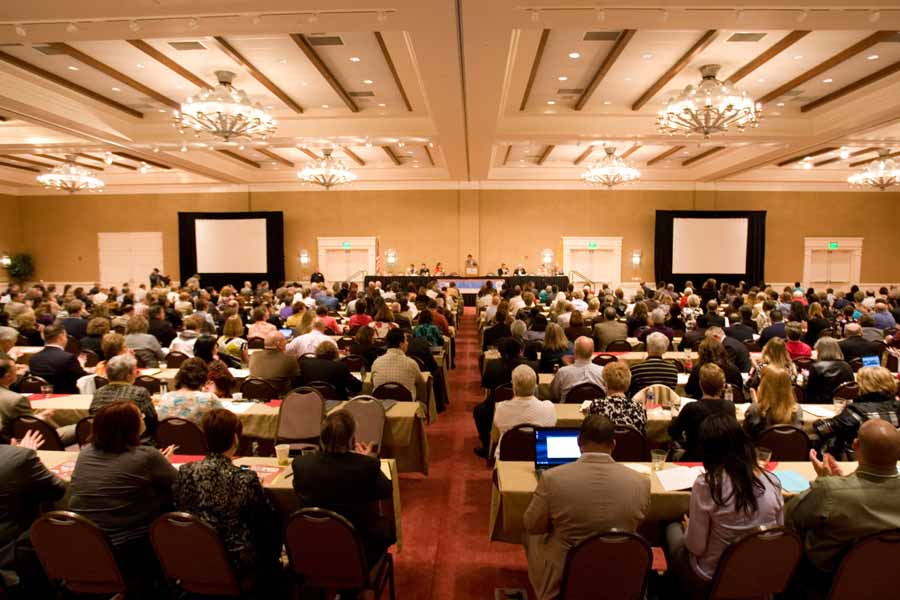
Venue selection is a key factor in the success of any corporate conference. The right conference venue enhances attendee comfort, supports event logistics, and reflects the professional image of the organization.
When selecting a conference venue, factors such as location, accessibility, seating capacity, parking facilities, accommodation options, and technology infrastructure should be carefully evaluated. A centrally located venue often improves attendance and convenience for participants.
Modern conference venues also provide advanced event technology, hybrid event capabilities, and flexible meeting spaces. These features help organizations create engaging experiences while accommodating different conference formats and audience sizes.
Building a Strong Corporate Conference Program
A well-designed conference agenda keeps attendees engaged and ensures that the event delivers value. Conference program development should focus on balancing educational content, networking opportunities, and interactive sessions.
Corporate conference attendees expect relevant insights, practical knowledge, and meaningful discussions. Organizers should create a schedule that includes keynote presentations, panel discussions, workshops, breakout sessions, and networking activities.
The conference program should flow naturally throughout the day, allowing attendees to absorb information without feeling overwhelmed. Strategic scheduling helps maintain energy levels while maximizing participation and engagement.
Speaker Management and Content Development
Speakers often become the highlight of a corporate conference. Selecting knowledgeable and engaging speakers can significantly improve attendee satisfaction and conference success.
Conference organizers should focus on securing industry experts, business leaders, innovators, and thought leaders who can provide valuable insights. Speaker management involves coordinating presentations, reviewing content, conducting rehearsals, and ensuring alignment with conference themes.
Strong conference content is equally important. Presentations should address current industry trends, business challenges, innovation, leadership, technology, and market opportunities. High-quality content helps attendees gain actionable knowledge while strengthening the credibility of the event.
Also read – Why Are European Streets So Beautiful? The Design Secrets Behind Walkable Cities
Event Marketing and Conference Promotion
Even the best conference requires effective marketing to attract attendees. Corporate conference marketing plays a crucial role in driving registrations, generating interest, and increasing event visibility.
Digital marketing strategies such as email campaigns, social media promotion, content marketing, event websites, and search engine optimization help organizations reach their target audience. Consistent messaging across all channels strengthens brand awareness and creates excitement around the conference.
SEO-focused conference promotion can improve online visibility by targeting keywords such as corporate conference, business conference, leadership summit, corporate event management, conference planning, and professional networking event. These keywords help potential attendees discover the event through search engines.

Registration Management and Attendee Experience
The attendee journey begins long before the conference starts. Registration management is an essential component of corporate event planning because it shapes first impressions and influences overall satisfaction.
A simple and user-friendly registration process encourages participation and reduces administrative challenges. Attendees should receive clear communication regarding event schedules, venue details, accommodation information, and conference updates.
Creating a positive attendee experience requires attention to every detail. Smooth check-in procedures, clear signage, comfortable seating, accessible facilities, and responsive support staff contribute to a professional and enjoyable conference environment.
Technology and Event Production
Technology has become an integral part of modern corporate conferences. Event technology enhances communication, engagement, and operational efficiency while creating memorable attendee experiences.
Conference organizers increasingly use event apps, digital registration systems, live polling tools, mobile networking platforms, and hybrid event solutions. These technologies improve attendee interaction and provide valuable data for event analysis.
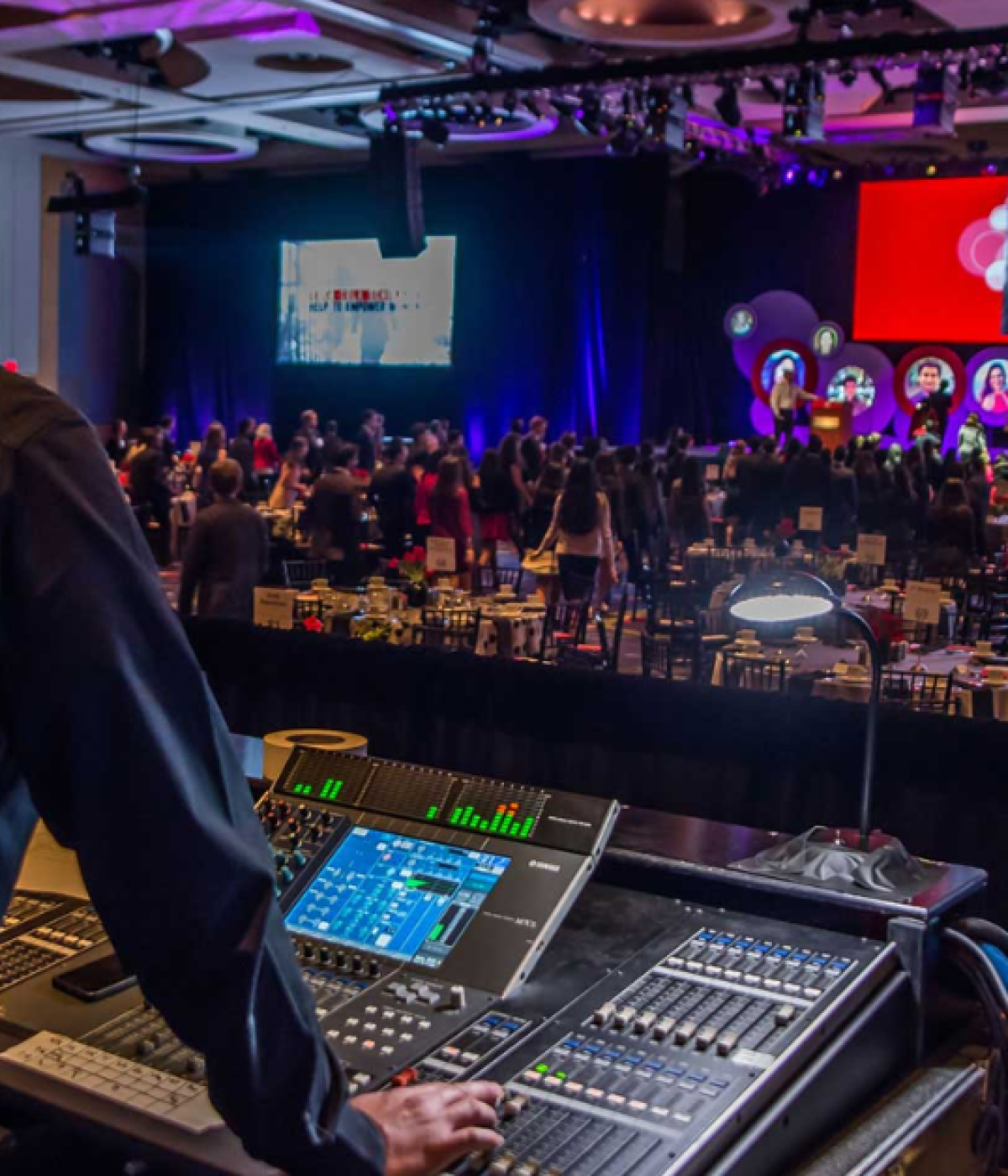
Professional event production is equally important. High-quality sound systems, stage design, lighting, video displays, and live streaming capabilities help create a polished and impactful conference environment. Effective event production ensures that presentations are delivered clearly and professionally.
Networking Opportunities and Audience Engagement
Networking remains one of the primary reasons people attend corporate conferences. Creating opportunities for meaningful business connections can significantly increase the value of the event.
Successful conference planning includes dedicated networking sessions, informal meet-and-greet opportunities, discussion forums, and collaborative activities. These interactions encourage relationship building among attendees, speakers, sponsors, and industry professionals.
Audience engagement should remain a priority throughout the conference. Interactive sessions, live Q&A discussions, audience polls, and collaborative workshops help participants stay involved and connected with the content being presented.

Managing Conference Operations on Event Day
Event day execution requires careful coordination and attention to detail. Even the most comprehensive conference plan must be supported by efficient on-site management to ensure smooth operations.
Conference organizers should oversee registration desks, speaker coordination, technical support, catering services, session management, and attendee assistance. Having contingency plans in place helps address unexpected challenges quickly and effectively.
Strong communication among event staff, vendors, venue teams, and stakeholders ensures that conference activities run according to schedule. Successful event execution creates a positive experience that reflects professionalism and organizational excellence.
The Importance of the Closing Session
The closing session is often overlooked, yet it plays a critical role in shaping attendees’ final impressions. A well-structured closing session reinforces key messages, celebrates achievements, and leaves participants with a sense of value.
Conference organizers can use the closing session to summarize major insights, recognize speakers and sponsors, share future initiatives, and encourage continued engagement. This final interaction helps maintain momentum and strengthens relationships beyond the event itself.
An impactful closing session ensures that attendees leave inspired, informed, and motivated to apply what they have learned during the conference.
Post-Conference Evaluation and Future Planning
Corporate conference planning does not end when attendees leave the venue. Post-event evaluation is essential for measuring success and identifying opportunities for improvement.
Feedback surveys, attendance data, engagement metrics, and stakeholder reviews provide valuable insights into conference performance. These findings help organizations understand what worked well and where adjustments may be needed for future events.
Post-conference communication also helps maintain relationships with attendees. Sharing presentation materials, event highlights, and follow-up resources extends the conference experience while reinforcing the value delivered during the event.
Conclusion
Corporate conference planning is a detailed process that requires strategic thinking, effective event management, and a strong focus on attendee experience. From developing the initial event brief to delivering a memorable closing session, every stage contributes to the success of the conference.
Organizations that invest in professional conference planning can create impactful business events that strengthen relationships, build brand credibility, encourage networking, and drive meaningful outcomes. By focusing on conference objectives, venue selection, speaker management, event marketing, attendee engagement, and post-event evaluation, businesses can transform corporate conferences into powerful platforms for growth and innovation.