Training workshops have become one of the most effective ways for organizations, educational institutions, businesses, and professional communities to improve skills, share knowledge, and encourage collaboration. However, simply gathering people in a room with a presentation is no longer enough. Successful training workshop event planning focuses on creating engaging learning experiences where participants actively contribute, interact, and retain valuable information.
Whether you’re planning a corporate training workshop, employee development session, leadership seminar, technical workshop, or educational event, the planning process determines how successful the learning outcomes will be. Every decision, from choosing the venue to designing interactive activities plays a role in increasing participation and knowledge retention.
Modern learners expect workshops that are dynamic, collaborative, and practical. This is why organizations now invest more time in professional training workshop planning, interactive learning environments, audience engagement techniques, and event management strategies that improve both attendance and participant satisfaction.
This guide explores how thoughtful training workshop event planning creates memorable experiences, boosts participation, and delivers measurable learning results.
Training Workshop Event Planning: The Secret to Better Learning Experiences
The success of any training workshop begins long before participants enter the venue. Effective training workshop planning ensures that learning objectives, participant expectations, venue logistics, technology, and engagement activities work together seamlessly.
Poor planning often results in low attendance, distracted participants, technical issues, and limited knowledge retention. On the other hand, professionally organized workshops encourage collaboration, increase learner confidence, and improve overall productivity.
Organizations increasingly recognize that workshops are investments rather than expenses. Well-planned events strengthen employee performance, improve team communication, develop leadership skills, and create opportunities for innovation. The better the planning process, the greater the return on investment for both organizers and participants.
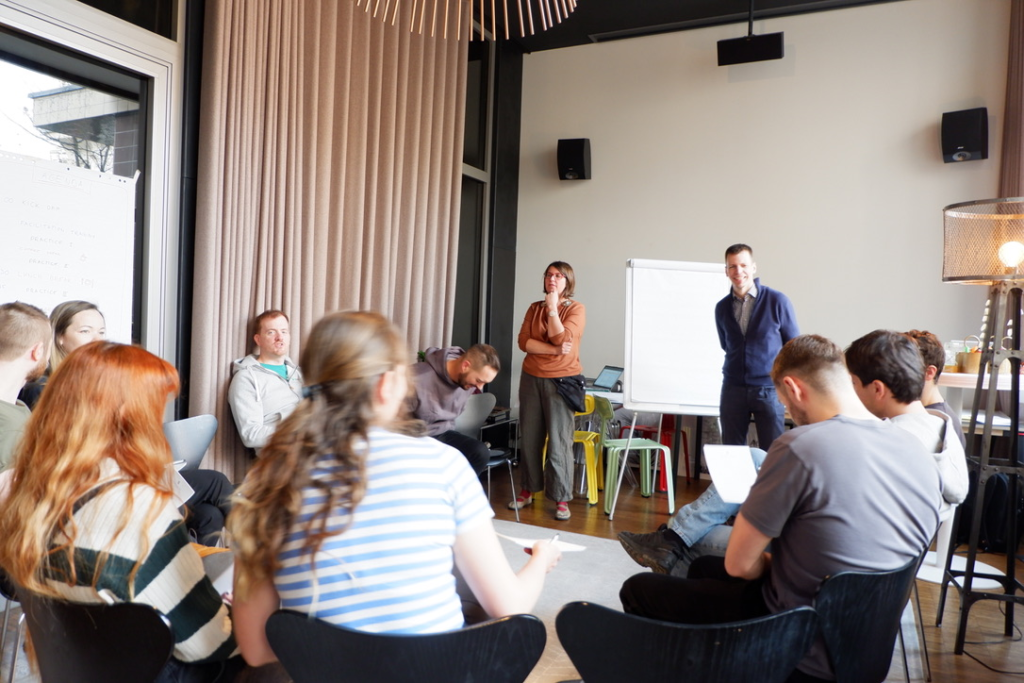
Understanding Your Audience Before Planning the Workshop
One of the biggest mistakes in training workshop event planning is designing the event before understanding the audience. Every participant comes with different levels of knowledge, experience, expectations, and learning preferences.
Corporate professionals may prefer practical case studies and real-world problem solving, while students often respond better to interactive discussions and collaborative exercises. Industry experts may expect advanced insights, whereas beginners require foundational knowledge explained in a simple manner.
Knowing your audience helps organizers design relevant content, choose appropriate speakers, prepare suitable activities, and determine the ideal workshop duration. Personalized workshop experiences naturally lead to higher engagement and stronger participation throughout the event.
Also read – Why Architects Still Admire Saynatsalo Town Hall: A Masterclass in Human-Centered Design
Choosing the Right Venue Creates the Perfect Learning Environment
The venue directly influences participant comfort, concentration, and interaction. A well-designed learning environment supports communication, networking, and active participation, making venue selection one of the most important aspects of training workshop event planning.
Comfortable seating, proper lighting, excellent acoustics, reliable internet connectivity, climate control, and flexible room layouts all contribute to a productive learning atmosphere. Participants remain focused when distractions are minimized and facilities support smooth event execution.
For hybrid and virtual workshops, choosing reliable online platforms with interactive features such as breakout rooms, live polls, Q&A sessions, and collaborative whiteboards becomes equally important. Technology should enhance learning rather than complicate it.
Creating Engaging Workshop Content That Participants Actually Remember
Content remains the heart of every successful training workshop. Even the best venue cannot compensate for presentations that lack relevance or engagement.
Effective training workshop content planning focuses on solving real challenges instead of simply delivering information. Participants learn better when concepts are connected to practical applications they can immediately implement in their work or daily activities.
Interactive presentations, storytelling, live demonstrations, role-playing exercises, case studies, and collaborative discussions transform passive audiences into active learners. Instead of listening for hours, participants become contributors, making learning both enjoyable and memorable.
A workshop should maintain a balance between theory and practical application, allowing attendees to understand concepts while gaining confidence through hands-on experience.
Experienced Speakers Make Every Workshop More Valuable
Even outstanding workshop content requires capable presenters to deliver it effectively. Skilled trainers understand how to simplify complex ideas, encourage participation, answer questions confidently, and maintain audience attention.
The most successful workshop facilitators create conversations instead of lectures. They invite opinions, encourage discussions, and adapt their delivery according to audience responses.
Professional trainers also use visual storytelling, real-life examples, audience interaction, and practical demonstrations to ensure participants remain engaged throughout the event. Their ability to connect personally with attendees often becomes the defining factor behind a memorable learning experience.

Interactive Learning Drives Better Participation and Knowledge Retention
Research consistently shows that people remember significantly more when they actively participate rather than simply listen. This makes interactive learning a central element of modern training workshop event planning.
Activities such as group discussions, brainstorming sessions, simulations, collaborative problem-solving, live polling, quizzes, and practical exercises encourage participants to think critically and share ideas openly.
Interactive workshops also build confidence among attendees by allowing them to practice newly acquired skills immediately. Instead of becoming passive observers, participants become active contributors to the learning process.
This collaborative environment improves engagement, strengthens communication, and creates stronger professional relationships among participants.
Technology Has Completely Changed Training Workshop Planning
Digital transformation has reshaped how organizations plan and conduct training workshops. Event management software, online registration platforms, attendance tracking systems, live streaming, audience engagement applications, and AI-powered analytics now simplify workshop planning while improving participant experiences.
Virtual and hybrid workshops have become increasingly popular because they allow organizations to reach larger audiences without geographical limitations. Interactive tools enable remote attendees to participate in discussions, complete exercises, and collaborate almost as effectively as those attending in person.
Technology also helps organizers collect valuable participant feedback, measure engagement levels, and analyze learning outcomes, making future workshops even more effective.
Communication Before the Workshop Increases Attendance and Excitement
Successful training workshop event management begins well before the event itself. Clear communication builds anticipation while ensuring participants understand what they will gain from attending.
Professionally designed invitations, reminder emails, social media campaigns, event landing pages, and pre-workshop resources help participants prepare in advance. Sharing workshop objectives, speaker profiles, schedules, and expected outcomes increases confidence while reducing uncertainty.
When participants know exactly what to expect, attendance rates improve significantly, and they arrive better prepared to contribute actively during the sessions.
Creating Comfortable Networking Opportunities Enhances Learning
Learning does not only happen during presentations. Some of the most valuable insights emerge during informal conversations between participants.
Networking sessions encourage professionals to exchange experiences, discuss challenges, and explore collaborative opportunities beyond the workshop itself. These conversations often reinforce learning by allowing participants to understand how concepts apply across different industries and organizations.
Providing dedicated networking spaces, coffee breaks, discussion tables, or collaborative activities creates an environment where meaningful professional relationships naturally develop alongside formal learning.

Measuring Workshop Success Beyond Attendance Numbers
Many organizers judge workshop success solely by attendance, but participation and learning outcomes provide much more meaningful indicators.
Effective training workshop evaluation includes participant feedback, engagement levels, knowledge assessments, post-event surveys, practical implementation of skills, and overall satisfaction. These insights help organizers understand what worked well and identify opportunities for improvement.
Organizations that regularly evaluate workshop effectiveness continuously improve their event planning strategies, resulting in stronger learning experiences and greater long-term impact.
Post-Workshop Follow-Up Keeps Learning Alive
The learning process should continue after the workshop concludes. Following up with participants reinforces key lessons while encouraging continuous professional development.
Sharing presentation materials, workshop recordings, resource guides, certificates, discussion summaries, and additional reading materials helps participants revisit important concepts whenever needed.
Many organizations also create online communities where participants continue discussions, ask questions, and share practical experiences. These post-workshop interactions strengthen knowledge retention while extending the overall value of the event.
The Growing Importance of Professional Training Workshop Event Planning
As industries continue evolving rapidly, continuous learning has become essential for organizations and professionals alike. Businesses are increasingly investing in employee development, leadership training, technical education, and skill enhancement programs that support long-term growth.
Professional training workshop event planning ensures these learning initiatives achieve measurable results. Carefully designed workshops improve employee performance, encourage innovation, strengthen collaboration, and create more confident professionals capable of adapting to changing workplace demands.
Organizations that prioritize engaging workshop experiences also strengthen their employer brand by demonstrating a genuine commitment to employee growth and career development.
Better Workshop Planning Creates Better Learning Outcomes
Exceptional training workshop event planning is far more than organizing schedules, booking venues, or inviting speakers. It is about designing an experience that encourages participation, inspires learning, and creates lasting professional value. Every element from understanding the audience and creating engaging content to choosing the right venue and integrating interactive technology contributes to a successful learning journey.
As expectations around professional development continue to evolve, organizations that invest in thoughtful training workshop planning, effective event management, engaging learning experiences, and participant-focused event design will consistently achieve stronger attendance, higher engagement, and better learning outcomes. Whether planning a corporate training session, educational seminar, leadership workshop, or professional development event, careful preparation transforms ordinary workshops into impactful experiences that participants remember, appreciate, and apply long after the event has ended.