Brand Activation Ideas are becoming one of the most powerful ways for businesses to create real audience engagement in a world where people are constantly exposed to advertisements every single day. Traditional marketing alone is no longer enough to hold attention for long. Audiences today don’t just want to watch brands, they want to interact with them, experience them, and feel emotionally connected to them.
And honestly, that’s exactly why brand activations have become such a major part of modern marketing strategies.
A successful brand activation transforms passive audiences into active participants. Instead of simply seeing a campaign online or hearing about a product through advertisements, people become part of the experience itself.
The best part is that great brand activations don’t always require massive budgets. What matters more is creativity, emotional connection, audience participation and memorable storytelling.
So how exactly are brands creating activations that genuinely engage audiences today? Let’s explore some of the most effective brand activation ideas.
Why Brand Activations Matter More Than Ever
Consumers today are overwhelmed with digital content. People scroll past ads, sponsored posts, video campaigns and promotional emails within seconds.
That’s why brands now focus heavily on experiences rather than just exposure. Brand activations help businesses:
- Build emotional connections
- Increase audience participation
- Encourage social sharing
- Generate word of mouth marketing
- Create memorable brand recall
- Strengthen customer loyalty
And honestly, experiences are often remembered far longer than advertisements.
1. Immersive Pop-Up Experiences
Pop-up activations have become one of the biggest trends in experiential marketing.
Instead of traditional retail or event setups, brands create temporary immersive environments where audiences can explore, interact, and engage directly with the brand story.
These experiences often include:
- Interactive installations
- Themed spaces
- Product discovery zones
- Photo opportunities
- Live demonstrations
What makes pop-ups so effective is that they feel exclusive and time-sensitive, which naturally creates excitement and urgency.
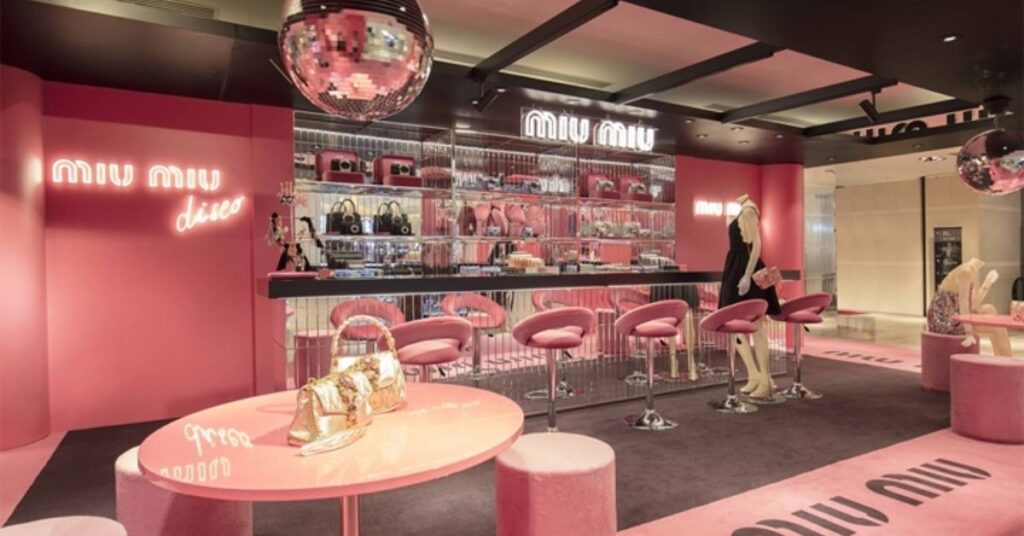
Interactive brand pop-up experience with immersive installations and audience engagement.
Credits: https://justso.eu/how-to-create-a-meaningful-pop-up-experience/
2. Interactive Technology-Based Activations
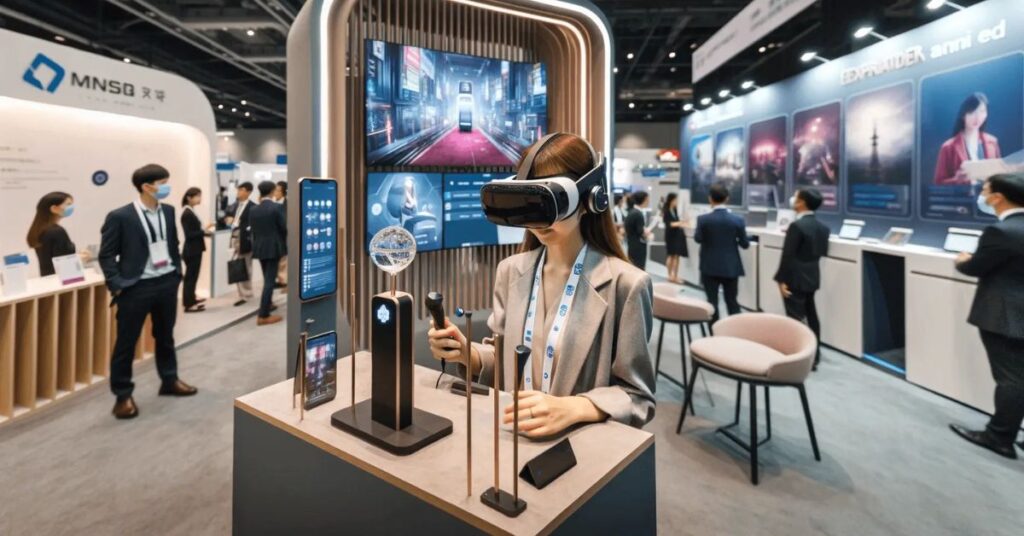
Technology is transforming how brands engage audiences physically and digitally. Modern activations increasingly use:
- Augmented reality (AR)
- Virtual reality (VR)
- Interactive projections
- Motion sensors
- AI driven experiences
- Gamification
These technologies make audiences feel actively involved rather than simply observing.
3. Social Media-Driven Experiences
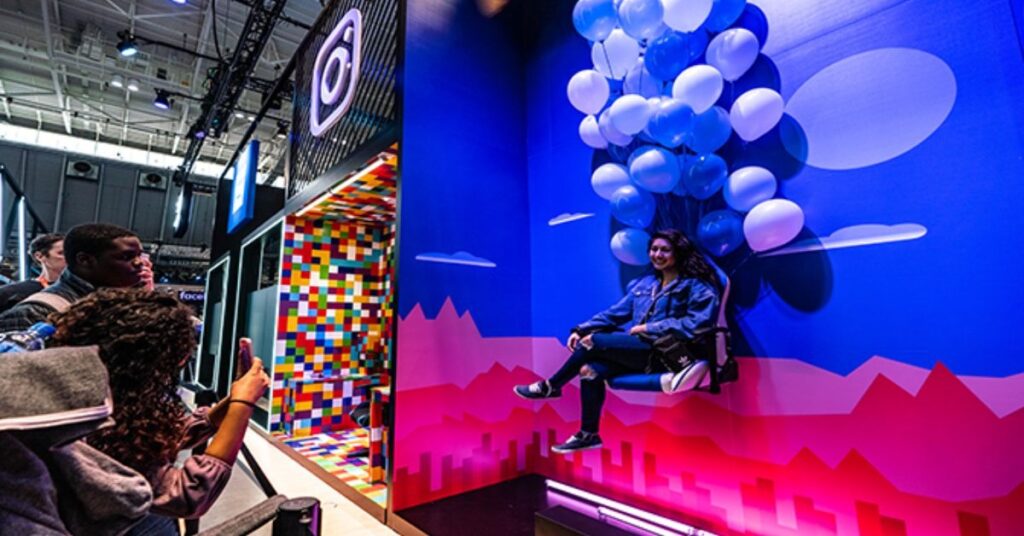
Many successful activations today are designed specifically for online sharing. Brands intentionally create:
- Instagrammable installations
- Interactive photo booths
- Hashtag campaigns
- User generated content opportunities
- Influencer-friendly spaces
The goal is to encourage audiences to naturally become part of the marketing itself.
Audience capturing social-media-friendly brand activation experience at a live event.
Credits: https://insideout.events/experiential-marketing/
4. Experiential Product Demonstrations
One of the strongest forms of brand activation is allowing people to experience the product directly. Instead of simply explaining product features, brands create:
- Live demos
- Hands-on testing zones
- Interactive trials
- Experience-based showcases
This approach works especially well for:
- Tech products
- Automotive brands
- Beauty and skincare
- Food and beverage brands
- Fitness products
People often form stronger emotional connections when they physically interact with products themselves.
5. Gamified Brand Activations
Gamification makes brand experiences more entertaining and engaging. Brands now use:
- Competitions
- Challenges
- Reward systems
- Interactive games
- Digital leaderboards
to encourage participation as, people naturally enjoy experiences that feel playful and rewarding.
6. Personalized Audience Experiences
Modern consumers increasingly expect personalization. That’s why brands are designing activations that feel tailored rather than generic. Examples include:
- Customized product recommendations
- Personalized merchandise
- AI generated interactions
- Name based installations
- Individual audience journeys
When people feel personally included, the experience becomes much more emotionally impactful.
7. Hybrid Brand Activations
Physical and digital experiences are increasingly blending together. Hybrid activations allow brands to engage:
- On ground attendees
- Virtual participants
- Social media audiences
- Livestream viewers
all at the same time.
This helps brands expand reach far beyond the physical event itself.
Hybrid activations may include live streamed experiences, virtual participation tools, interactive online features and digital engagement campaigns
The future of brand engagement is becoming increasingly multi-platform.
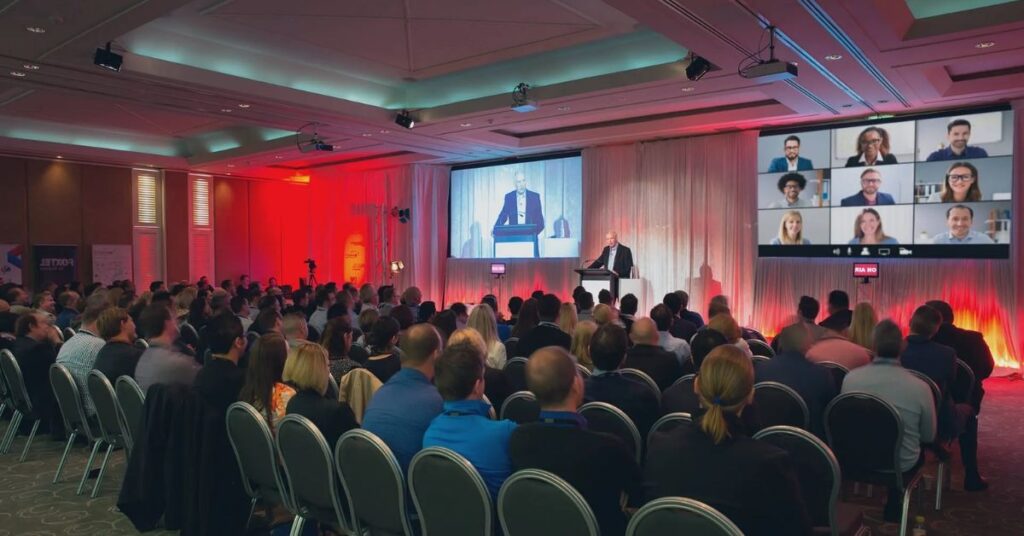
Hybrid live event with digital audience engagement and immersive brand interaction.
8. Community-Centered Activations
Brands are also focusing more on building communities rather than one-time campaigns. Community-driven activations include:
- Workshops
- Wellness events
- Creative collaborations
- Social causes
- Local experiences
These activations feel more authentic because they focus on shared experiences rather than direct selling.
9. Sustainability-Focused Brand Activations
Sustainability is becoming a major part of experiential marketing. Modern activations now use:
- Recyclable materials
- Eco friendly installations
- Reusable event structures
- Sustainable giveaways
- Carbon conscious production
Interestingly, sustainability itself can become part of the audience experience and brand storytelling.
Consumers increasingly appreciate brands that demonstrate genuine responsibility through action.
10. Multi-Sensory Experiences
The most memorable activities often engage multiple senses simultaneously. Brands now carefully design:
- Soundscapes
- Fragrance experiences
- Interactive textures
- Dynamic lighting
- Food and beverage integration
This creates deeper emotional connections because sensory experiences are often strongly linked to memory.
Luxury hospitality, automotive and beauty brands especially use sensory design to create immersive environments.
11. Influencer and Creator Collaborations
Influencers are no longer just promoting campaigns online, they’re becoming integrated into brand activations themselves. Brands now invite creators to:
- Host live experiences
- Curate installations
- Engage audiences directly
- Share behind the scenes content
This helps make activations feel more culturally relevant and socially amplified.
Also Read: The Future of Event Technology 2026: Smart AI and QR Check-In Trends
12. Emotional Storytelling Is the Real Key
At the center of every successful activation is storytelling. People rarely remember isolated branding alone. They remember:
- How the experience made them feel
- What surprised them
- What they interacted with
- What emotions they experienced
The strongest activations create emotional moments rather than simply promotional displays.
Immersive experiential marketing setup designed around audience interaction and storytelling.
Credits: https://postnbid.com/marketing/build-audience-connection-with-experiential-marketing/
Common Mistakes Brands Make
Focusing Too Much on Visuals Alone
An activation may look impressive but still fail if audience engagement is weak.
Ignoring Audience Participation
The audience should feel involved, not just entertained passively.
Overcomplicating the Experience
Simple and intuitive activations often perform better than overly technical setups.
Forgetting the Emotional Connection
People remember feelings far more than branded installations alone.
Final Thoughts
Brand Activation Ideas today are about much more than flashy events or temporary campaigns. They’re about turning audiences into participants through immersive experiences, emotional storytelling, interaction and meaningful engagement.
Whether through pop-up installations, hybrid experiences, gamification, social sharing or personalized interactions, successful brand activations create moments that people genuinely remember and talk about long after the campaign ends.
And honestly, in a world overloaded with content, that kind of emotional participation has become one of the most valuable forms of marketing a brand can create.