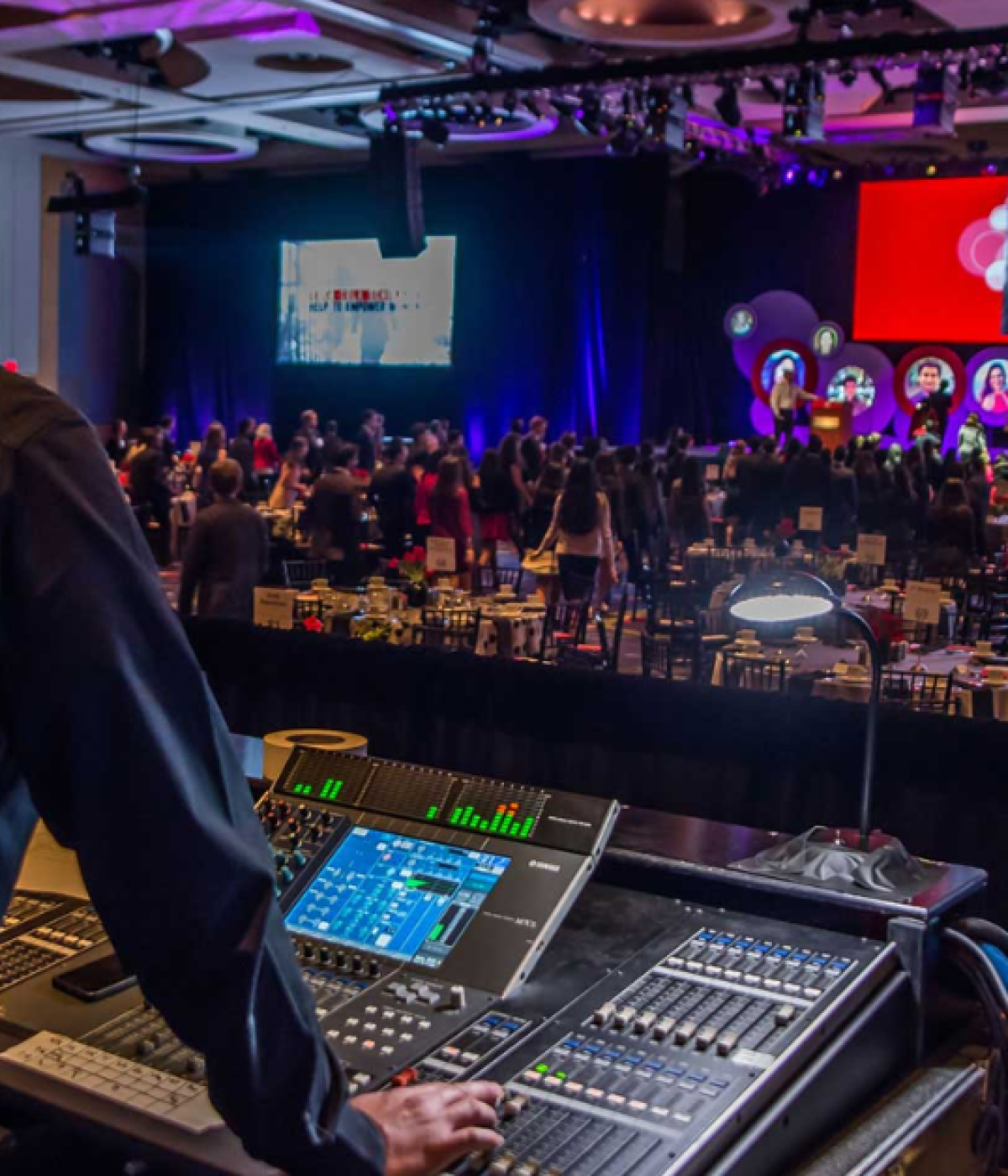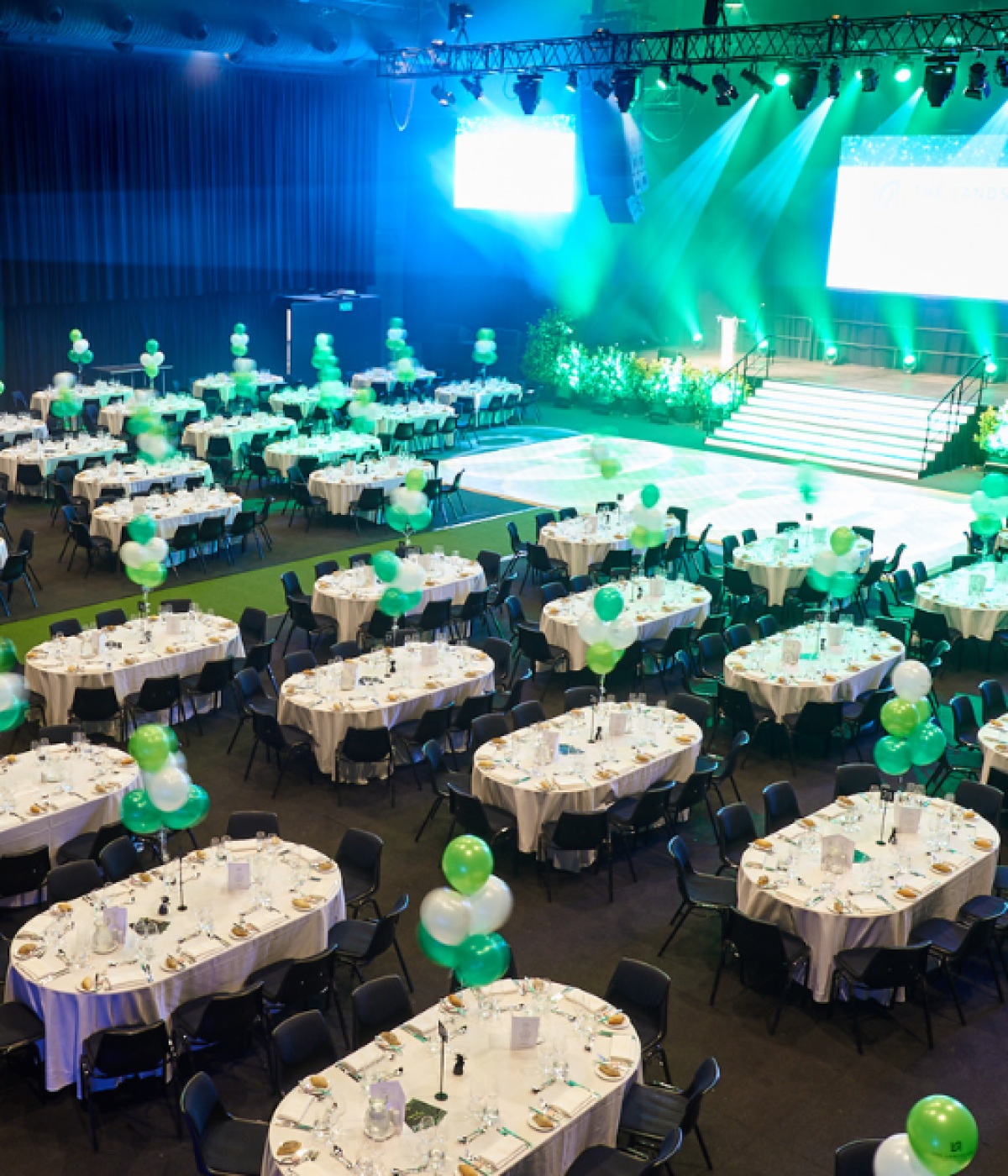
In today’s competitive business environment, employee recognition events have become an essential part of building a positive workplace culture. Organizations are increasingly realizing that employees want more than just a salary. They want appreciation, acknowledgment, and a sense of belonging. When companies celebrate achievements through meaningful employee recognition programs, they create an environment where employees feel valued, motivated, and connected to organizational goals.
Employee recognition events are no longer limited to annual award ceremonies. Modern businesses use creative employee appreciation events, team celebration activities, and workplace recognition programs throughout the year to keep morale high. These initiatives contribute directly to employee engagement, employee retention, productivity, and overall job satisfaction.
A well-planned employee recognition event sends a powerful message that every contribution matters. Whether recognizing individual achievements or celebrating team success, companies that prioritize recognition often experience stronger workplace relationships and improved business performance.
The Growing Demand of Employee Appreciation in Modern Workplaces
The modern workforce has evolved significantly. Employees today seek purpose, recognition, and personal growth opportunities alongside financial rewards. As organizations compete to attract and retain top talent, employee appreciation has emerged as a key differentiator.
Employee recognition events help bridge the gap between management and employees. They create opportunities for leaders to publicly acknowledge hard work, dedication, innovation, and teamwork. This public appreciation strengthens employee confidence and encourages others to perform at their best.
Workplace recognition also contributes to emotional well-being. Employees who regularly receive appreciation are more likely to feel motivated, engaged, and committed to their organization. This positive work environment often leads to higher employee satisfaction and lower turnover rates.
Companies that invest in employee recognition strategies understand that appreciation is not an expense but a long-term investment in organizational success.

How Employee Recognition Events Strengthen Company Culture
A strong company culture is built on trust, respect, collaboration, and appreciation. Employee recognition events play a crucial role in reinforcing these values across the organization.
When employees see their efforts being acknowledged, they develop a stronger emotional connection to the company. Recognition events create shared experiences that bring teams together and promote a sense of community. Employees begin to feel that they are part of something meaningful rather than simply completing tasks.
Celebrating achievements publicly also helps establish positive workplace behaviors. Employees gain a clear understanding of what success looks like within the organization. This alignment encourages consistency, accountability, and excellence throughout the workforce.
Over time, employee recognition programs become deeply embedded within company culture, creating a workplace where appreciation becomes a daily habit rather than an occasional gesture.
Creative Employee Recognition Event Ideas Companies Are Using Today
Organizations are moving beyond traditional award ceremonies and exploring innovative ways to celebrate their teams. Modern employee recognition events are designed to be interactive, memorable, and meaningful.
Many companies organize employee appreciation days where teams enjoy special activities, entertainment, and personalized recognition. These events often combine celebration with opportunities for networking and team bonding.
Some organizations host achievement award nights where employees receive recognition for outstanding contributions, leadership, innovation, customer service, or teamwork. Such events create excitement while highlighting success stories that inspire others.
Team milestone celebrations are also becoming increasingly popular. Whether completing a major project, reaching sales targets, or achieving business goals, companies use these moments to recognize collective efforts and reinforce teamwork.
Virtual employee recognition events have also gained popularity, especially among remote and hybrid teams. Online award ceremonies, virtual appreciation sessions, and digital recognition platforms ensure employees feel valued regardless of their location.
Also read – Wellness Architecture: Designing Homes and Workplaces for Better Living
The Connection Between Employee Recognition and Employee Engagement
Employee engagement remains one of the most important factors influencing organizational success. Engaged employees are more productive, committed, and willing to contribute beyond their basic responsibilities.
Employee recognition events directly impact engagement by fulfilling a fundamental human need for appreciation. When employees know their efforts will be recognized, they become more motivated to perform at a high level. Recognition validates their contributions and reinforces the value they bring to the organization.
Regular workplace recognition also improves communication between leadership and employees. It creates opportunities for positive interactions that strengthen trust and transparency.
Organizations with strong employee engagement programs often report better customer satisfaction, higher productivity, and stronger financial performance. Employee recognition events serve as an important foundation for achieving these outcomes.

Why Personalized Recognition Creates a Bigger Impact
One of the most effective trends in employee recognition is personalization. Generic appreciation often lacks emotional impact, while personalized recognition demonstrates genuine understanding and respect for individual contributions.
Successful employee recognition events focus on specific achievements rather than broad acknowledgments. Managers and leaders highlight the unique efforts that led to success, making recognition feel authentic and meaningful.
Personalized recognition can take many forms. Some employees appreciate public acknowledgment, while others prefer private appreciation. Understanding these preferences allows organizations to create recognition experiences that resonate more deeply.
By tailoring employee appreciation efforts, companies increase the effectiveness of their recognition programs and strengthen employee relationships.
Employee Recognition Events and Employee Retention
Employee retention remains a major challenge across industries. High turnover rates can increase recruitment costs, disrupt operations, and negatively impact workplace morale.
Employee recognition events help address this challenge by making employees feel valued and appreciated. When employees believe their contributions are recognized, they are less likely to seek opportunities elsewhere.
Recognition creates emotional loyalty that extends beyond compensation and benefits. Employees often remain with organizations where they feel respected, supported, and celebrated.
Many successful businesses view employee recognition as a retention strategy rather than simply a morale-boosting initiative. Regular appreciation helps build long-term commitment and strengthens employee loyalty over time.
The Role of Leadership in Successful Recognition Programs
Leadership involvement is critical for the success of employee recognition events. Employees place significant value on appreciation that comes directly from managers and senior leaders.
When executives actively participate in recognition programs, they demonstrate that employee contributions matter at every level of the organization. This visibility enhances the credibility and impact of recognition efforts.
Leaders who consistently acknowledge achievements help create a culture of appreciation throughout the workplace. Their actions encourage managers and team members to adopt similar behaviors, making recognition a natural part of everyday interactions.
Effective leaders understand that recognition is not limited to formal events. They integrate appreciation into meetings, communications, and daily workplace activities.

Measuring the Success of Employee Recognition Events
To maximize results, organizations must evaluate the effectiveness of their employee recognition programs. Measuring success helps companies identify what works and where improvements are needed.
Employee feedback is one of the most valuable indicators of recognition program effectiveness. Surveys, interviews, and engagement assessments provide insights into employee perceptions and experiences.
Organizations often track metrics such as employee engagement scores, retention rates, productivity levels, and workplace satisfaction. Positive changes in these areas often indicate successful recognition initiatives.
By continuously monitoring outcomes, companies can refine their employee recognition strategies and create even more meaningful experiences for their workforce.
The Future of Employee Recognition Events
As workplaces continue to evolve, employee recognition events will become even more personalized, technology-driven, and experience-focused. Organizations are increasingly using digital recognition platforms, AI-powered employee engagement tools, and real-time appreciation systems to support recognition efforts.
The future of employee recognition will focus on continuous appreciation rather than occasional celebrations. Companies will combine formal recognition events with everyday acknowledgment to create a culture where employees consistently feel valued.
Hybrid work environments will also drive innovation in recognition programs. Organizations will develop new ways to celebrate achievements across geographically distributed teams while maintaining personal connections and engagement.
Businesses that embrace these trends will be better positioned to attract top talent, improve employee satisfaction, and strengthen organizational performance.
Conclusion
Employee recognition events have evolved into one of the most powerful tools for building a positive workplace culture, improving employee engagement, and increasing employee retention. When organizations genuinely celebrate employee achievements, they create stronger teams, higher morale, and a more motivated workforce.
From employee appreciation events and team celebrations to award ceremonies and personalized recognition programs, every effort contributes to a workplace where people feel valued and respected. Companies that prioritize employee recognition understand that success is driven by people, and people perform best when their contributions are acknowledged.
As organizations continue to compete for talent and strive for long-term growth, employee recognition events will remain a vital strategy for creating engaged employees, stronger workplace relationships, and sustainable business success. By investing in meaningful recognition, companies can celebrate teams better while building a culture that inspires excellence every day.