
Event Risk Management: Safety, Permissions and Backup Planning
Every successful event looks effortless on the surface, but behind every seamless conference, summit, exhibition, corporate event, or business gathering lies careful event risk management. While attendees see engaging speakers, networking opportunities, and smooth operations, event organizers are constantly managing potential risks that could disrupt the experience.
From safety concerns and venue compliance issues to last-minute cancellations and technical failures, event risks can emerge at any stage. Without a proper event risk management plan, even the most well-planned event can face unexpected challenges that damage reputation, increase costs, and affect attendee satisfaction.
This is why event safety planning, permissions management, and backup planning have become critical components of modern event management. Organizations that proactively identify risks and prepare contingency measures are far better equipped to handle unexpected situations while maintaining a professional event experience.
Why Event Risk Management Matters More Than Ever
The events industry has become increasingly complex. Large conferences, business summits, trade exhibitions, and networking events involve multiple stakeholders, vendors, speakers, venues, sponsors, and attendees. Each element introduces potential risks that require careful planning and management.
Event risk management is the process of identifying, assessing, and mitigating threats that could negatively impact an event. These risks may include health and safety concerns, legal compliance issues, weather disruptions, technology failures, transportation problems, crowd management challenges, or speaker cancellations.
A strong event risk management strategy protects attendees, safeguards investments, ensures regulatory compliance, and preserves the reputation of both organizers and sponsors. More importantly, it creates confidence among stakeholders that the event can proceed smoothly even when unexpected circumstances arise.

Building a Strong Event Safety Planning Framework
Event safety planning is one of the most important aspects of event risk management. Regardless of the size of the event, attendee safety should always be the highest priority.
A comprehensive event safety plan begins with understanding the venue, expected attendance, event format, and potential hazards. Organizers should evaluate emergency exits, crowd flow patterns, fire safety systems, accessibility requirements, and medical response capabilities before finalizing the venue.
Event safety planning also involves coordination with venue management, security personnel, emergency responders, and operational teams. Clear communication channels must be established so that every stakeholder understands their role during an emergency situation.
When attendees feel safe and secure, they are more likely to engage with the event, participate actively, and leave with a positive experience. Effective event safety management therefore contributes directly to overall event success.
Understanding Event Permissions and Regulatory Compliance
One of the most overlooked aspects of event planning is obtaining the necessary permissions and approvals. Missing permits or failing to comply with regulations can result in penalties, event delays, or even event cancellation.
Event permissions vary depending on location, venue type, event size, and planned activities. Organizers may need approvals related to venue usage, public gatherings, fire safety compliance, temporary structures, sound permits, parking arrangements, food service operations, or security deployment.
The process should begin well in advance of the event date. Delays in approvals can create significant operational challenges and increase stress for the event management team.
Maintaining a detailed event compliance checklist helps ensure that all required documentation is secured before the event. This proactive approach minimizes legal risks and demonstrates professionalism to stakeholders, sponsors, and attendees.
The Critical Role of Venue Risk Assessment
Every venue presents unique opportunities and challenges. Conducting a detailed venue risk assessment is essential for identifying potential vulnerabilities before they become problems.
Venue assessments should examine access points, emergency evacuation routes, electrical infrastructure, internet connectivity, parking facilities, security coverage, and crowd movement patterns. Organizers should also evaluate potential risks associated with nearby construction activities, traffic congestion, weather exposure, and surrounding infrastructure.
By understanding venue-specific risks, event planners can implement preventive measures that reduce the likelihood of disruptions. A thorough venue risk assessment also supports more effective event safety planning and contingency planning efforts.
Also read – Top 10 Architecturally Stunning Hotels to Stay in Mumbai
Event Security Management and Crowd Safety
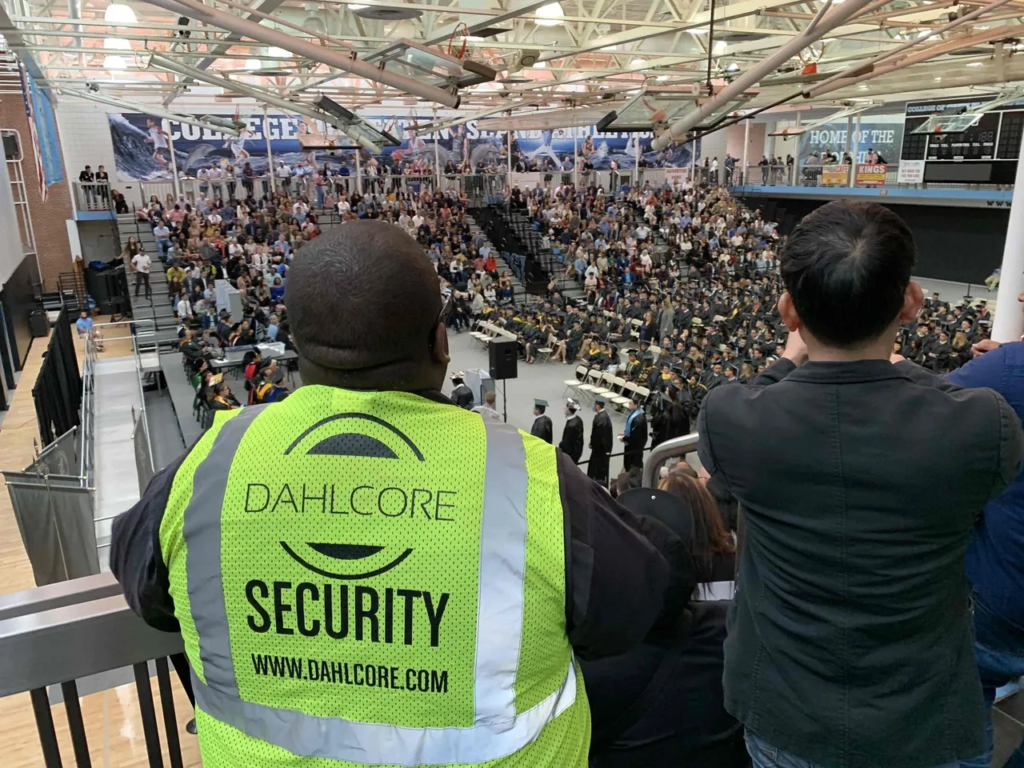
Event security management has become a major priority for conferences, exhibitions, and public events. Attendees expect organizers to provide a safe environment that protects both people and property.
Effective event security planning begins with understanding the event profile and attendee demographics. Security requirements for a business conference may differ significantly from those of a public festival or large exhibition.
Security teams should be trained to manage access control, monitor crowd behavior, respond to incidents, and coordinate with emergency services when necessary. Technology such as surveillance systems, access badges, and attendee registration platforms can further strengthen event security management.
Crowd safety measures should focus on preventing congestion, maintaining clear pathways, and ensuring rapid emergency response capabilities. Proper crowd management not only enhances safety but also improves the overall attendee experience.
Why Backup Planning Is Essential for Event Success
Even the most carefully organized event can face unexpected disruptions. This is where event backup planning becomes invaluable.
Backup planning involves preparing alternative solutions for critical event components. These contingency measures ensure that operations can continue smoothly when unforeseen issues arise.
For example, event organizers should have backup plans for audiovisual equipment failures, internet outages, speaker cancellations, transportation delays, venue access restrictions, and severe weather conditions. Having alternative vendors, replacement speakers, and redundant technical systems can significantly reduce operational risks.
A well-developed event contingency planning strategy enables organizers to respond quickly and confidently, minimizing disruption while maintaining attendee satisfaction.
Managing Technology and Digital Event Risks
Technology plays a central role in modern event management. Registration systems, event apps, live streaming platforms, presentation equipment, and networking tools all contribute to the attendee experience.
However, technology introduces its own set of risks. Internet connectivity issues, software failures, cybersecurity threats, and equipment malfunctions can disrupt event operations and create frustration among participants.
To mitigate these risks, organizers should conduct technical rehearsals, test equipment thoroughly, establish backup internet connections, and maintain technical support teams on-site. Cybersecurity measures should also be implemented to protect attendee data and sensitive event information.
Effective technology risk management ensures that digital systems enhance rather than compromise event performance.
Emergency Response Planning for Events
No event risk management strategy is complete without an emergency response plan. While organizers hope emergencies never occur, preparation is essential for protecting attendees and minimizing impact.
Emergency response planning should address medical emergencies, fire incidents, security threats, severe weather conditions, power outages, and evacuation procedures. Event staff should be trained to respond appropriately and communicate effectively during crisis situations.
Emergency contact information, response protocols, and communication procedures should be documented and shared with relevant stakeholders. Regular briefings help ensure that everyone understands their responsibilities.
Preparedness not only improves safety outcomes but also demonstrates professionalism and duty of care.
Communication Planning During Event Disruptions
Communication can determine how effectively an event navigates a crisis. When disruptions occur, attendees, sponsors, speakers, and vendors need timely and accurate information.
An event communication plan should establish clear messaging channels, designated spokespersons, and communication workflows. Event apps, SMS alerts, email notifications, and public announcements can all be used to keep stakeholders informed.
Transparent communication reduces uncertainty, builds trust, and helps maintain confidence during challenging situations. It is one of the most valuable tools in any event risk management strategy.

Creating a Risk-Aware Event Management Culture
Successful event risk management extends beyond checklists and procedures. It requires a culture of awareness throughout the event planning process.
Every member of the event team should understand the importance of identifying risks, reporting concerns, and following established protocols. Regular planning meetings, training sessions, and risk reviews help reinforce this mindset.
When risk management becomes part of the organizational culture, teams are better equipped to anticipate challenges and respond proactively. This leads to stronger event execution, improved attendee experiences, and more successful outcomes.
Conclusion
Event risk management is no longer an optional aspect of event planning—it is a fundamental requirement for delivering safe, compliant, and successful events. Whether organizing a corporate conference, industry summit, exhibition, or large-scale gathering, careful attention to event safety planning, permissions management, venue assessment, security coordination, and backup planning is essential.
The most successful event professionals understand that risks cannot always be eliminated, but they can be anticipated, managed, and minimized through strategic preparation. By investing in comprehensive event risk management, organizers protect attendees, safeguard investments, strengthen brand reputation, and ensure that events remain resilient in the face of unexpected challenges.
In today’s competitive events industry, the difference between a disrupted event and a successful one often comes down to preparation. Strong event risk management, effective safety measures, proper permissions, and reliable backup planning provide the foundation for events that inspire confidence and deliver exceptional experiences.