Sustainable Event Planning is becoming one of the biggest priorities in the modern events industry as brands rethink how large gatherings affect the environment. From excessive plastic usage and food waste to massive energy consumption and disposable event setups, traditional events can leave behind a surprisingly large environmental footprint.
But what’s interesting is that sustainability no longer means compromising on creativity, experience or brand impact. In fact, many of today’s most innovative and premium events are the ones designed with sustainability in mind.
Brands are realizing that attendees care about more than aesthetics now. People increasingly notice:
- Waste management
- Eco friendly practices
- Ethical sourcing
- Sustainable materials
- Responsible brand behavior
And honestly, sustainability is no longer just a corporate responsibility checkbox, it’s becoming part of brand identity itself.
The good news is that sustainable event planning doesn’t require sacrificing experience or quality. With smarter strategies, thoughtful design and better operational decisions, brands can reduce waste significantly while still creating memorable and high-impact events.
So whether it’s a corporate conference, product launch, music festival, exhibition or luxury brand event, here’s how sustainable event planning is reshaping the future of live experiences.
Why Sustainability Matters in Events
Events naturally consume a huge amount of resources in a short period of time.
Common sources of waste include:
- Single-use plastics
- Printed materials
- Temporary decor
- Excessive food waste
- Disposable branding materials
- Energy heavy production setups
Large-scale events can generate tons of waste within just a few days.
As climate awareness grows, attendees and companies alike are becoming more conscious about how events are planned and executed.
Brands that ignore sustainability today risk appearing outdated and disconnected from modern audience expectations.
Sustainability Doesn’t Mean Less Impact
One of the biggest misconceptions about sustainable events is that they feel less exciting or visually impressive. But honestly, some of the most creatively designed events today are built around sustainability.
In many cases:
- Minimal waste creates cleaner aesthetics
- Natural materials feel more premium
- Digital experiences improve convenience
- Reusable setups encourage smarter design
Sustainability often pushes event planners to become more innovative rather than more limited.
1. Start With Sustainable Event Strategy
Sustainable events begin with planning, not last-minute adjustments. Before designing the event, brands should define:
- Sustainability goals
- Waste reduction targets
- Material policies
- Vendor expectations
- Energy usage plans
When sustainability is integrated early into the strategy, it becomes much easier to make impactful decisions later.
2. Reduce Single-Use Materials
Single-use materials are one of the biggest contributors to event waste. This includes:
- Plastic bottles
- Disposable signage
- Temporary decor
- Foam boards
- Vinyl branding materials
Instead, brands can shift toward:
- Reusable signage systems
- Fabric graphics
- Digital displays
- Compostable serving materials
- Recyclable packaging
Even small changes can significantly reduce overall waste.
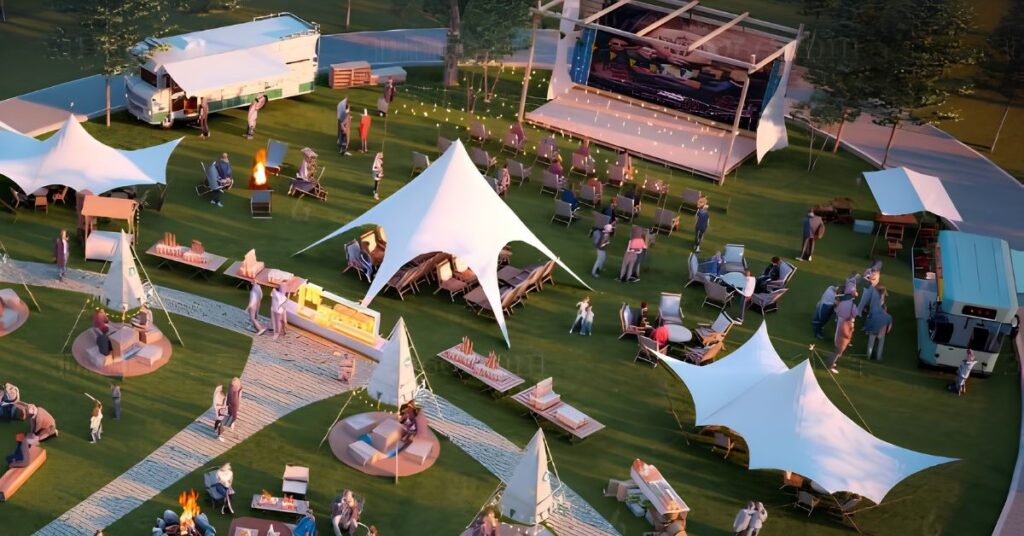
Sustainable event setup using reusable decor, natural materials and eco-friendly event branding.
Credits: https://in.pinterest.com/pin/607141593547526695/
3. Go Digital Wherever Possible
Digital solutions are becoming one of the easiest ways to reduce event waste. Instead of printing large quantities of materials, many events now use:
- Digital invitations
- QR based registrations
- Event apps
- Digital schedules
- LED signage
- Interactive screens
This reduces paper waste while also improving attendee convenience. And honestly, digital-first event experiences often feel more modern and seamless.
Also Read: The Future of Event Technology 2026: Smart AI and QR Check-In Trends
4. Design Reusable Event Setups
One major issue in the events industry is temporary construction. Large stages, booths and installations are often discarded immediately after events end.
Sustainable event planning focuses on:
- Modular booth systems
- Reusable staging
- Adaptable branding structures
- Rental decor solutions
This not only reduces waste but can also lower long-term production costs.
5. Choose Sustainable Materials
Materials matter more than many people realize. Eco-conscious event design often uses:
- Bamboo
- Recycled wood
- Fabric installations
- Paper-based signage
- Recyclable metals
- Organic decor elements
Natural materials often create warmer and more visually refined environments too.
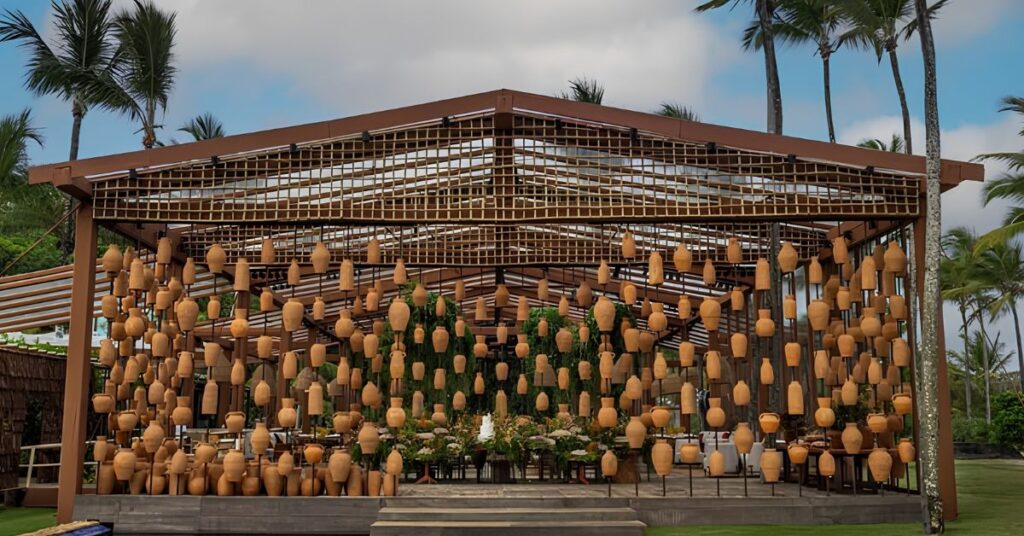
Eco-friendly event decor using wood, fabric, greenery, and sustainable materials.
Credits: https://in.pinterest.com/pin/455426581090717057/
6. Rethink Event Catering
Food waste is one of the biggest sustainability challenges in events. Large gatherings often overproduce food, leading to massive waste after the event ends. Brands can reduce this by:
- Planning realistic guest counts
- Offering smaller portion options
- Partnering with food donation organizations
- Using local and seasonal ingredients
- Avoiding excessive packaging
7. Encourage Sustainable Attendee Behavior
Attendees themselves play a role in event sustainability. Simple initiatives can make a big difference:
- Refillable water stations
- Recycling points
- Incentives for reusable bottles
- Public transport partnerships
- Digital ticketing
The easier sustainability feels for attendees, the more likely they are to participate naturally.
8. Choose Eco-Conscious Venues
Venue selection has a major impact on event sustainability. Modern sustainable venues may include:
- Energy-efficient lighting
- Solar power systems
- Water-saving infrastructure
- Waste management systems
- Green building certifications
Choosing local venues can also reduce transportation emissions significantly.
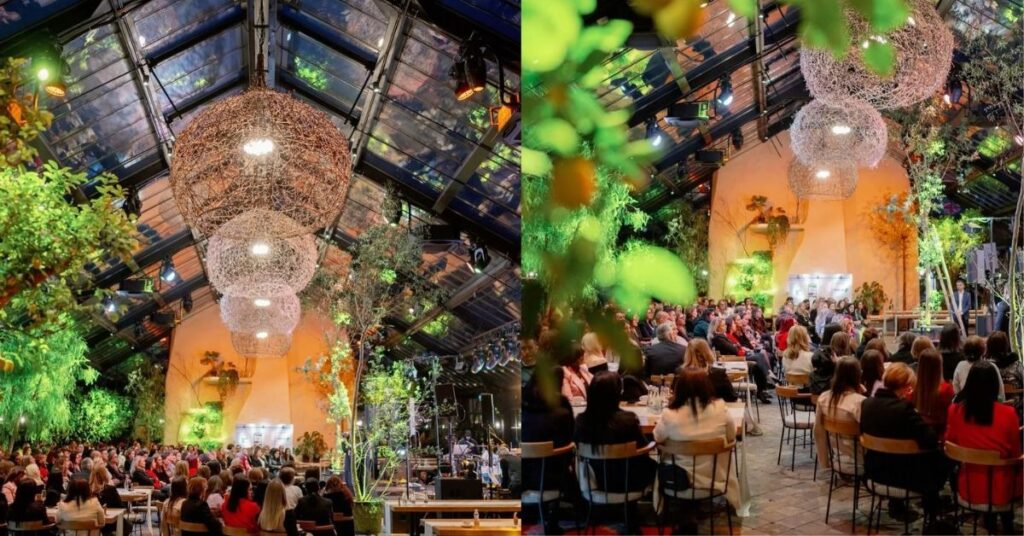
Modern sustainable corporate event venue with eco-friendly architecture and natural lighting.
Credits: https://in.pinterest.com/pin/1031042908442670951/ https://in.pinterest.com/pin/1031042908442670945/
9. Use Sustainable Event Merchandising
Event giveaways often become unnecessary waste. Instead of generic plastic merchandise, brands can choose:
- Useful reusable products
- Sustainable packaging
- Digital gift cards
- Eco-friendly notebooks
- Locally sourced products
Thoughtful merchandise creates better brand perception while reducing environmental impact.
10. Measure the Environmental Impact
One of the most important parts of sustainable event planning is measurement. Brands should track:
- Waste generated
- Energy usage
- Recycling rates
- Carbon emissions
- Food waste levels
This helps identify areas for improvement and creates accountability for future events.
11. Hybrid and Virtual Events Are Changing Sustainability
Hybrid events are also contributing to more sustainable event models. By allowing virtual participation, brands can reduce:
- Air travel emissions
- Accommodation demand
- Large-scale material production
Of course, physical events still matter deeply for human connection, but hybrid formats help make them more efficient and accessible.
12. Sustainability Is Becoming a Brand Experience
Today, sustainability itself can become part of the attendee experience. People increasingly appreciate brands that:
- Make responsible choices
- Communicate sustainability transparently
- Design intentional experiences
- Avoid unnecessary waste
In many cases, sustainable event practices actually improve audience perception and emotional connection with the brand.
Common Mistakes in Sustainable Event Planning
Treating Sustainability as an Afterthought
Real sustainability needs to be built into the event strategy from the beginning.
Greenwashing Without Real Action
Audiences quickly recognize when sustainability claims feel performative rather than genuine.
Prioritizing Visual Excess
Oversized temporary installations often create unnecessary waste without adding meaningful value.
Ignoring Vendor Practices
Even if the event itself is sustainable, suppliers and vendors also influence overall environmental impact.
Why Sustainable Events Are the Future
The events industry is changing rapidly. Brands are now expected to create experiences that are:
- Memorable
- Responsible
- Efficient
- Human centered
- Environmentally conscious
And honestly, sustainability is no longer just a trend, it’s becoming the new standard for modern event planning.
The most forward-thinking brands understand that reducing waste doesn’t reduce creativity. In many ways, it actually encourages smarter and more meaningful event experiences.
Final Thoughts
Sustainable Event Planning proves that impactful events and environmental responsibility can absolutely coexist.
By reducing waste, embracing reusable systems, choosing smarter materials, and designing more intentional experiences, brands can create events that feel modern, memorable and genuinely aligned with the values audiences care about today.
Because ultimately, the future of events isn’t just about creating bigger experiences.
It’s about creating better ones.