Why Corporate Offsite Planning Matters More Than Ever
Corporate offsite planning has evolved far beyond hotel conference rooms and long PowerPoint presentations. Today, companies are investing heavily in corporate offsite events because employees expect experiences that feel engaging, meaningful, and refreshing. A well-designed corporate offsite improves team bonding, employee engagement, workplace culture, collaboration, and even long-term retention.
Modern organizations now understand that employees do not want another “mandatory work trip.” They want a corporate retreat that feels energizing, interactive, and thoughtfully planned. This shift has made corporate offsite planning one of the most important parts of modern team management and company culture building.
Businesses across industries are searching for creative corporate offsite ideas that balance productivity with relaxation. Whether it is a startup team outing, leadership retreat, annual company getaway, or employee engagement event, the success of the offsite depends entirely on the experience employees take back with them.
Understanding What Employees Actually Want From Corporate Offsites
One of the biggest mistakes companies make during corporate event planning is assuming employees only care about entertainment. In reality, employees want balance. They want opportunities to connect with coworkers naturally while also enjoying activities that break routine and reduce stress.
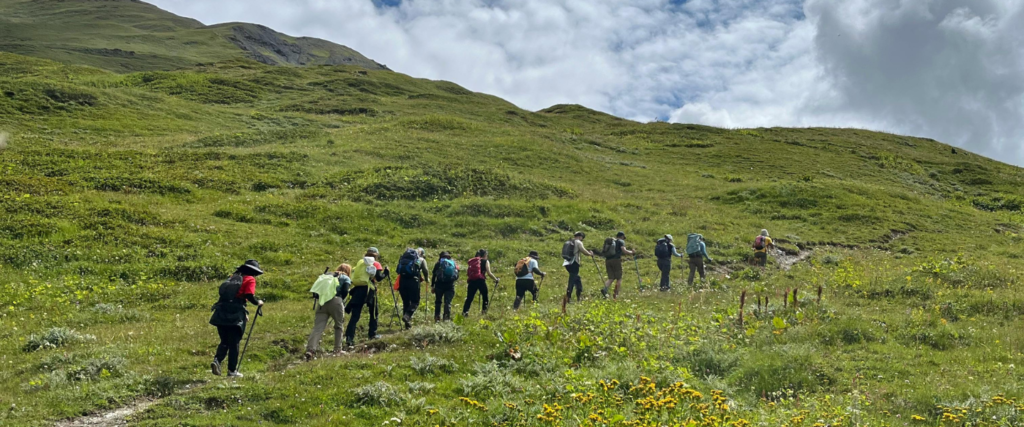
Successful corporate offsite events create moments where employees can interact outside their usual workplace hierarchy. Informal conversations during a beach dinner, mountain trek, creative workshop, or team-building activity often lead to stronger workplace relationships than formal office meetings ever could.
Employees also appreciate personalization. A modern corporate offsite should not feel generic or overly scripted. The more human and authentic the experience feels, the more successful the event becomes. This is why companies are increasingly focusing on experiential corporate events rather than traditional conference-style retreats.
Choosing the Right Destination for a Corporate Retreat
Destination selection plays a massive role in corporate offsite planning. The location sets the tone for the entire experience. Some companies prefer luxury resorts for executive retreats, while others choose nature-focused destinations for wellness and team-building experiences.
Popular corporate offsite destinations often include beach resorts, hill stations, heritage properties, wellness retreats, and eco-resorts. The ideal location depends on the company’s goals, employee demographics, event duration, and budget.
Accessibility is equally important. Employees should not feel exhausted before the offsite even begins. Easy transportation, comfortable accommodation, and good connectivity contribute significantly to employee satisfaction during corporate events.
Companies are also prioritizing destinations that offer unique local experiences. Employees remember offsites that include cultural immersion, regional cuisine, outdoor adventure activities, or creative exploration. These experiences create emotional connections and make the corporate retreat feel memorable instead of routine.
Also read – How to Plan the Perfect Design-Led Staycation in India
Corporate Team Building Activities That Feel Natural
The phrase “team-building activity” often makes employees nervous because many traditional activities feel forced or awkward. Modern corporate offsite planning focuses on natural interaction rather than artificial exercises.
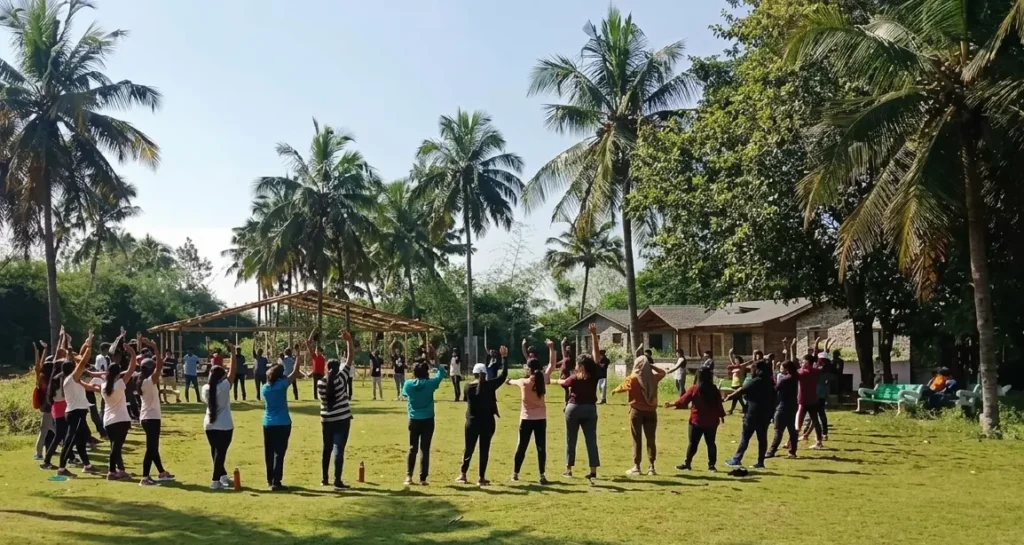
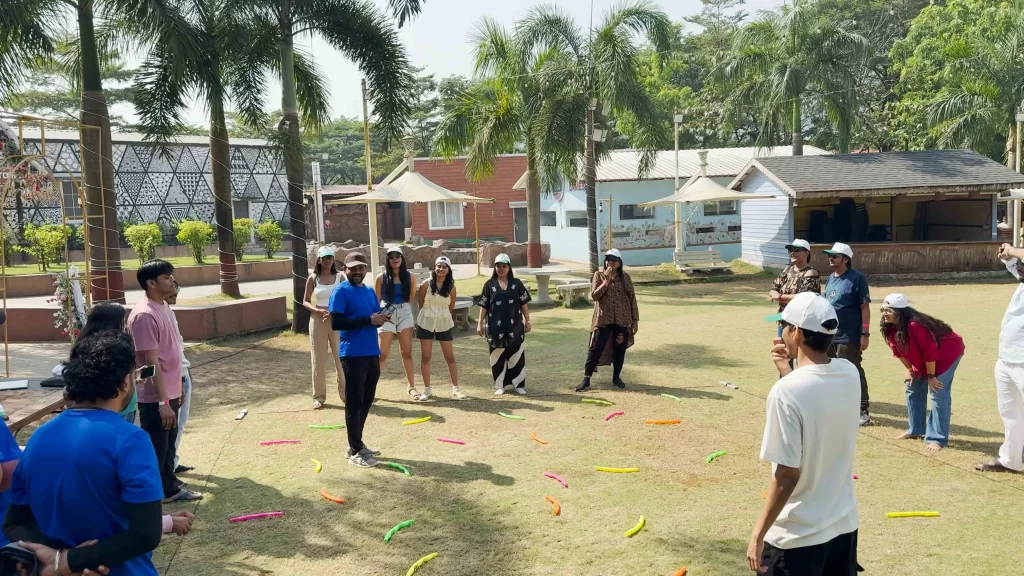
The best corporate team-building activities encourage collaboration without pressure. Activities like cooking competitions, creative workshops, treasure hunts, outdoor adventures, music sessions, storytelling games, and problem-solving challenges create organic engagement among employees.
Companies are also integrating wellness experiences into corporate offsites. Yoga sessions, mindfulness workshops, nature walks, spa experiences, and digital detox activities help employees relax mentally and physically. Wellness-focused corporate retreats have become especially popular because burnout and workplace stress continue to rise globally.
Interactive experiences work better than passive entertainment. Employees enjoy participating rather than simply watching. The goal of a corporate offsite should be creating shared experiences that employees continue talking about long after the event ends.
Balancing Productivity and Relaxation During Corporate Events
One of the most critical aspects of corporate offsite planning is maintaining the right balance between work and leisure. Employees understand that business discussions are necessary, but they do not want the entire event filled with presentations and meetings.
The most successful corporate offsites usually structure professional sessions during the first half of the day while reserving evenings for networking, entertainment, and relaxation. This balance keeps employees engaged without making the offsite feel exhausting.
Leadership sessions should also feel conversational instead of overly formal. Employees respond better to interactive discussions, fireside chats, brainstorming workshops, and collaborative sessions than long corporate speeches.
Shorter sessions with engaging formats improve attention spans significantly. Companies now focus on dynamic experiences that combine learning with interaction. This approach increases employee participation and improves overall event satisfaction.
Why Employee Experience Should Drive Corporate Offsite Planning
Modern corporate event management revolves around employee experience. Every detail, from welcome kits to room arrangements and dining experiences, influences how employees perceive the company.
A thoughtfully planned corporate offsite shows employees that the organization values their comfort, happiness, and well-being. This directly impacts employee morale and workplace loyalty.
Small details often create the strongest impressions. Personalized welcome notes, flexible schedules, comfortable accommodations, local experiences, and thoughtful entertainment can transform a standard corporate retreat into a memorable employee experience.
Food also plays a surprisingly important role in corporate events. Diverse menu options, regional specialties, live food counters, and interactive dining experiences make employees feel more involved and appreciated during the offsite.
When employees genuinely enjoy the experience, they become more connected to the company culture. Positive offsite experiences also improve internal communication and strengthen cross-department relationships.
The Growing Importance of Wellness Corporate Retreats
Corporate wellness retreats are becoming one of the fastest-growing trends in corporate offsite planning. Companies now recognize that employee mental health directly impacts productivity, creativity, and retention.
Wellness-focused corporate offsites prioritize stress reduction, mindfulness, work-life balance, and physical rejuvenation. Instead of overwhelming employees with packed schedules, these retreats encourage slower, more intentional experiences.
Activities like meditation sessions, fitness workshops, healthy dining experiences, nature therapy, and wellness consultations are increasingly common in modern corporate retreats. Employees appreciate these initiatives because they feel genuinely beneficial rather than purely performative.
The rise of hybrid work culture has also increased the importance of human connection. Employees working remotely often feel isolated, making corporate offsites essential for rebuilding team relationships and company identity.
Creating Memorable Corporate Event Experiences
Memorable corporate events are built around emotional connection. Employees may forget presentations, but they remember experiences that made them laugh, feel inspired, or connect deeply with colleagues.
Storytelling has become an important part of experiential corporate event planning. Companies now create themed experiences, immersive dinners, interactive entertainment, and personalized moments that feel emotionally engaging.
Photography and social media-friendly setups also matter in modern corporate retreats. Employees enjoy capturing memories and sharing experiences online. A visually engaging corporate offsite naturally generates excitement and positive brand perception.
Entertainment should feel aligned with the audience. Younger teams may prefer music festivals, adventure sports, and nightlife experiences, while leadership groups may appreciate curated dinners, cultural performances, or wellness escapes. Understanding employee preferences helps companies create more successful corporate event experiences.
Technology and Innovation in Corporate Offsite Planning
Technology is transforming corporate event planning in significant ways. Event management apps, digital schedules, gamification, AI-powered networking, and interactive engagement tools are improving the employee experience during offsites.
Companies are using technology to personalize experiences, simplify communication, and improve event coordination. Employees appreciate convenience, especially when schedules, transport details, activity updates, and networking opportunities are easily accessible.
Hybrid corporate offsites are also becoming more common. Some organizations now combine physical retreats with virtual participation options to accommodate distributed teams and remote employees.
Sustainability is another major trend shaping modern corporate retreats. Eco-friendly venues, plastic-free events, sustainable catering, and local sourcing are becoming priorities for companies focused on responsible event planning.
Measuring the Success of a Corporate Offsite Event
A successful corporate offsite is not measured only by attendance or entertainment value. The real success lies in employee feedback, engagement levels, improved collaboration, and post-event morale.
Companies increasingly conduct post-event surveys to understand employee satisfaction and gather insights for future offsite planning. Honest feedback helps organizations improve future experiences and better align events with employee expectations.
The most valuable outcome of a corporate retreat is stronger human connection. Employees who feel connected to their coworkers and company culture are more likely to collaborate effectively and stay motivated at work.
Corporate offsite planning should never feel transactional. It should feel like an investment in people, relationships, creativity, and workplace culture.
The Future of Corporate Offsite Planning
The future of corporate offsite events will focus heavily on personalization, wellness, sustainability, and meaningful experiences. Employees no longer want generic corporate gatherings. They want immersive, engaging, and emotionally rewarding experiences that genuinely improve workplace connection.
As competition for talent continues to grow, employee experience will become a major differentiator for organizations. Companies that invest in thoughtful corporate retreat planning will build stronger teams, healthier work cultures, and better long-term employee loyalty.
The most successful corporate offsites are not necessarily the most expensive ones. They are the ones designed with empathy, creativity, and genuine understanding of what employees actually enjoy. When companies prioritize human connection over corporate formality, offsite events become experiences employees truly look forward to.