A CEO town hall is one of the most important internal communication platforms within an organisation. It brings leadership and employees together, creates transparency around business priorities, and gives employees a clearer understanding of where the company is heading. However, simply organising a town hall does not guarantee employee participation or engagement.
In many organisations, CEO town halls gradually become repetitive corporate meetings filled with long presentations, business updates, and carefully scripted speeches. When employees begin to view a town hall as another mandatory calendar invitation, attendance and engagement naturally decline.
A successful CEO town hall requires thoughtful planning, relevant content, strong leadership communication, and meaningful employee participation. The objective should not only be to communicate information but also to create an experience employees find valuable.
With the right CEO town hall strategy, organisations can improve employee engagement, strengthen internal communication, increase leadership visibility, and create a stronger connection between employees and company goals.
Why CEO Town Halls Matter More Than Ever
Modern workplaces are changing rapidly. Hybrid working models, distributed teams, evolving employee expectations, and constant business transformation have made effective internal communication more important than ever.
Employees want greater visibility into company decisions and leadership thinking. They want to understand why certain changes are taking place, how business priorities are evolving, and what those developments mean for their own roles.
A CEO town hall meeting provides a direct communication channel between leadership and employees. Unlike emails, newsletters, or company announcements, town halls allow employees to hear the organisation’s direction directly from senior leadership.
Regular CEO town halls can improve workplace transparency, reduce uncertainty, and create stronger alignment across departments. They also help employees feel more connected to the organisation, particularly in large companies where direct interaction with senior leadership may otherwise be limited.

Build the CEO Town Hall Around Employee Relevance
The most engaging CEO town halls are designed around what employees need to know rather than what leadership wants to present.
Business performance, company achievements, financial results, organisational changes, customer growth, future plans, and industry developments are important subjects. However, employees are most interested when these updates are connected to their day-to-day work.
Instead of presenting business numbers without context, a CEO town hall should explain what those numbers mean for the organisation and its people. A growth announcement becomes more relevant when employees understand how it may influence future projects, hiring, investments, or career opportunities.
Creating employee-focused content makes the corporate town hall more meaningful. When employees can clearly understand why the information matters to them, participation and attention naturally increase.
Also read – The Remarkable Story of Auroville Matrimandir: Inside India’s Golden Spiritual Landmark
Create a CEO Town Hall Agenda That Keeps Attention High
A strong CEO town hall agenda should have enough variety to maintain employee attention without overwhelming the audience with information.
One of the biggest reasons employees lose interest in town hall meetings is excessive presentation time. When multiple senior leaders deliver lengthy departmental updates, the event can quickly become difficult to follow.
An engaging corporate town hall should combine leadership updates, business insights, employee recognition, company milestones, future priorities, and interactive discussions. Changing the format throughout the session prevents the event from becoming monotonous.
The CEO’s address should remain one of the central elements of the town hall. Employees value hearing directly from senior leadership, particularly when the message provides clarity about important business developments.
A carefully structured CEO town hall agenda also helps organisations maintain the right balance between information and interaction.
Make Leadership Communication Clear and Authentic
Leadership communication plays a major role in determining whether employees connect with a CEO town hall.
Employees are more likely to engage with leadership messages that are simple, clear, and relevant. Complicated corporate language, excessive jargon, and highly scripted speeches can create distance between senior leadership and employees.
A CEO town hall should communicate business priorities in language employees across departments can understand. This is particularly important in large organisations where employees may have different roles, responsibilities, and levels of business knowledge.
Authentic leadership communication also helps strengthen employee trust. Acknowledging challenges alongside achievements creates greater credibility than presenting only positive developments.
Employees understand that businesses face challenges. Transparent communication about changing market conditions, organisational priorities, or difficult decisions can often increase confidence in leadership rather than reduce it.
Make Employee Participation Central to the Town Hall
Employee engagement increases significantly when employees are given an active role in the town hall experience.
Traditional town hall meetings often operate as one-way communication channels where leadership speaks and employees listen. While leadership updates remain important, employees increasingly expect opportunities to participate in workplace conversations.
Live questions, employee feedback, quick polls, audience reactions, and moderated discussions can make CEO town hall meetings more interactive.
Providing employees with opportunities to submit questions before the event can also increase participation. Some employees may prefer asking questions anonymously, particularly when discussing organisational changes, workplace concerns, or sensitive business topics.
When employees see their questions being acknowledged and answered by leadership, the town hall becomes more credible. This form of direct employee communication can significantly improve trust and encourage greater participation in future events.

Use Employee Recognition to Build Stronger Engagement
Employee recognition can transform a CEO town hall from a business meeting into a celebration of organisational progress.
Highlighting individuals and teams who have contributed to important projects, solved challenging problems, achieved strong results, or demonstrated company values creates a powerful sense of connection.
Instead of limiting recognition to names displayed on a presentation slide, organisations can briefly explain the story behind each achievement. Sharing the impact created by an employee or team makes the recognition more meaningful.
Employee recognition during CEO town halls can also reinforce company culture. It shows employees which behaviours, contributions, and achievements the organisation values.
This creates greater visibility for employee success while encouraging other teams to contribute to similar organisational goals.
Design a Better Hybrid and Virtual CEO Town Hall
Hybrid and remote work have changed the way corporate town halls are organised.
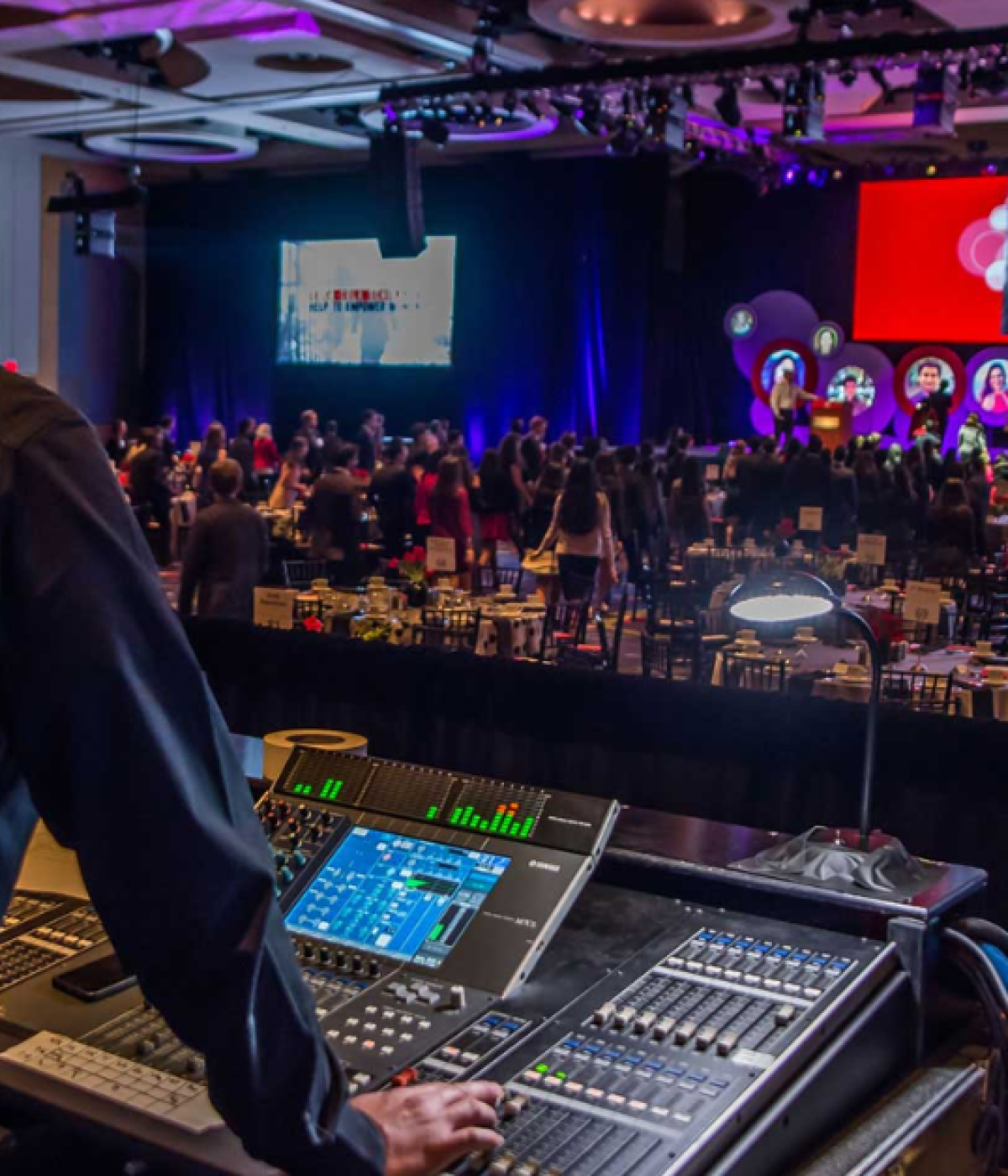
A modern CEO town hall may include employees attending physically while hundreds or even thousands of participants join remotely. This creates new opportunities for organisations, but it also introduces additional challenges.
Virtual employees can easily become passive viewers if the town hall is designed primarily for the physical audience.
A strong hybrid town hall should provide equal opportunities for both in-person and remote employees to participate. Live polls, digital Q&A tools, employee reactions, and virtual audience questions can create a more inclusive experience.
Production quality also matters. Clear audio, professional lighting, readable presentation slides, reliable streaming, and smooth transitions all contribute to a better virtual town hall experience.
Employees should feel that they are attending one company event rather than watching a meeting happening somewhere else.
Keep the CEO Town Hall Concise and Purposeful
Length has a major impact on employee engagement.
Long town hall meetings can quickly lose attention, particularly when employees already have demanding schedules. A focused CEO town hall that communicates the most important information clearly is often far more effective than an extended meeting covering every possible business update.
Each section should have a clear purpose.
Leadership updates should provide direction. Business results should explain progress. Employee stories should create connection. Q&A sessions should address important concerns. Recognition should celebrate meaningful contributions.
Removing unnecessary content creates a faster and more engaging town hall experience.
Visual communication can also improve attention. Simple charts, project photographs, short videos, employee stories, and business milestones are often more effective than presentation slides filled with paragraphs of text.
Promote the CEO Town Hall Before the Event
Even a well-planned CEO town hall requires strong internal promotion.
Employees need to understand why the event is worth attending. A simple calendar invitation may communicate the date and time, but it rarely creates excitement.
Internal communication before the town hall should highlight what employees can expect. Important company announcements, leadership discussions, employee recognition, future priorities, and live Q&A opportunities can all provide strong reasons to attend.
Creating anticipation is particularly important for voluntary town hall meetings.
Internal emails, workplace communication platforms, employee newsletters, intranet banners, leadership messages, and short teaser videos can be used to increase awareness and improve town hall attendance.
The communication should focus on value rather than simply reminding employees that an event is happening.
Continue the Conversation After the CEO Town Hall
A successful CEO town hall should continue creating value even after the event ends.
Employees who were unable to attend may need access to key announcements, recordings, summaries, or important business updates. Employees who participated may also want answers to questions that could not be addressed during the session.
Post-town hall communication provides an opportunity to reinforce the most important messages.
It is also essential to demonstrate that employee feedback has been heard. If leadership commits to exploring an issue or providing additional information during the town hall, employees should receive an update afterwards.
Closing this communication loop strengthens employee trust and demonstrates that the town hall is genuinely part of the organisation’s internal communication strategy.
Measure What Makes Employees Attend Again
Town hall attendance alone does not determine success.
An organisation can have strong attendance while still delivering an event employees find unhelpful. Measuring employee engagement, participation, feedback, and content relevance can provide much stronger insights.
Organisations can review which sections generated the highest level of employee participation, which questions received the most interest, and which topics employees want leadership to discuss in future town halls.
Short employee feedback surveys can also help organisations continuously improve the CEO town hall format.
The objective should be to create a town hall employees want to attend again rather than simply achieving high participation for one meeting.
A Great CEO Town Hall Builds More Than Attendance
Planning a CEO town hall employees actually attend requires more than choosing a date, preparing presentations, and sending calendar invitations.
The most successful CEO town halls combine transparent leadership communication, relevant business updates, employee participation, recognition, strong event planning, and meaningful follow-up communication.
When employees understand that a town hall will provide useful information, direct access to leadership, opportunities to participate, and greater clarity about the organisation’s future, attendance becomes much easier to achieve.
More importantly, an engaging corporate town hall creates long-term value. It improves employee engagement, strengthens leadership visibility, supports workplace transparency, and builds stronger alignment between employees and organisational goals.
The best CEO town hall is therefore not simply a corporate meeting. It is an internal communication platform that helps employees understand where the business is going, why it matters, and how they contribute to that journey.