Corporate town hall event planning has become one of the most important aspects of internal communication in today’s workplace. As organizations continue to grow across multiple locations, hybrid work environments, and diverse teams, leaders need a platform where they can connect directly with employees. A well-planned corporate town hall event creates transparency, builds trust, and strengthens the relationship between leadership and employees.
Unlike emails or newsletters, a corporate town hall meeting offers real conversations. Employees get the opportunity to hear company updates directly from leadership, understand the vision for the future, and ask questions that matter. Effective corporate town hall event planning ensures that these meetings become meaningful experiences instead of routine corporate presentations.
Whether you are organizing an annual company town hall, quarterly leadership meeting, employee engagement event, or virtual town hall conference, strategic planning plays a vital role in delivering impactful communication.
Understanding the Purpose of a Corporate Town Hall Event
Every successful corporate town hall begins with a clear objective. Leaders should identify what they want employees to take away from the meeting before planning the agenda. Some organizations use town halls to announce business growth, while others focus on company culture, new initiatives, financial updates, or organizational changes.
Corporate town hall event planning should always align with business goals while addressing employee concerns. A focused purpose helps create a structured agenda that keeps audiences engaged from beginning to end. Employees appreciate clarity, and a purpose-driven town hall demonstrates leadership confidence and organizational transparency.
When employees understand why a town hall is being held, they are more likely to participate actively, ask thoughtful questions, and feel connected to the company’s mission.
Also read – Why Iconic Museum Architecture Leaves a Powerful Impression on Every Visitor
Leadership Communication Sets the Tone
One of the biggest reasons employees attend a corporate town hall is to hear directly from leadership. Executives are not simply presenting information, they are representing the organization’s values, vision, and direction. Strong leadership communication transforms a standard corporate meeting into an inspiring employee experience.
Corporate town hall event planning should include coaching for speakers, storytelling techniques, and audience engagement strategies. Leaders who communicate with authenticity create stronger emotional connections with employees. Rather than reading lengthy presentations, executives should share real stories, achievements, lessons learned, and future opportunities.
Employees respond positively when leaders communicate openly about challenges alongside successes. Honest communication strengthens credibility and encourages a culture of trust throughout the organization.
Creating an Engaging Corporate Town Hall Agenda
An engaging corporate town hall agenda is essential for maintaining employee attention. Long presentations filled with numbers and corporate jargon often reduce participation. Instead, the agenda should balance business updates with employee-focused conversations.
Corporate town hall event planning should include company performance updates, project milestones, employee recognition, innovation highlights, customer success stories, leadership insights, and interactive discussion sessions. Mixing informative presentations with engaging content helps maintain energy throughout the event.
A thoughtfully designed agenda ensures that every session contributes to the overall objective while giving employees multiple reasons to stay involved until the closing remarks.
Employee Engagement Should Be the Priority
One-way communication is no longer enough in modern organizations. Employees expect to be heard, not just informed. This makes employee engagement one of the most valuable outcomes of successful corporate town hall event planning.
Interactive polls, live Q&A sessions, audience questions, employee success stories, and real-time feedback encourage active participation. These engagement opportunities help leadership understand employee sentiment while making staff feel valued.
When employees contribute to discussions, they develop a stronger sense of ownership within the organization. Corporate town halls become collaborative conversations instead of formal announcements, resulting in improved workplace morale and stronger organizational culture.

Technology Can Transform the Town Hall Experience
Modern corporate town hall event planning relies heavily on technology to create seamless experiences for both in-person and virtual attendees. Hybrid workplaces require flexible event solutions that allow employees from different locations to participate equally.
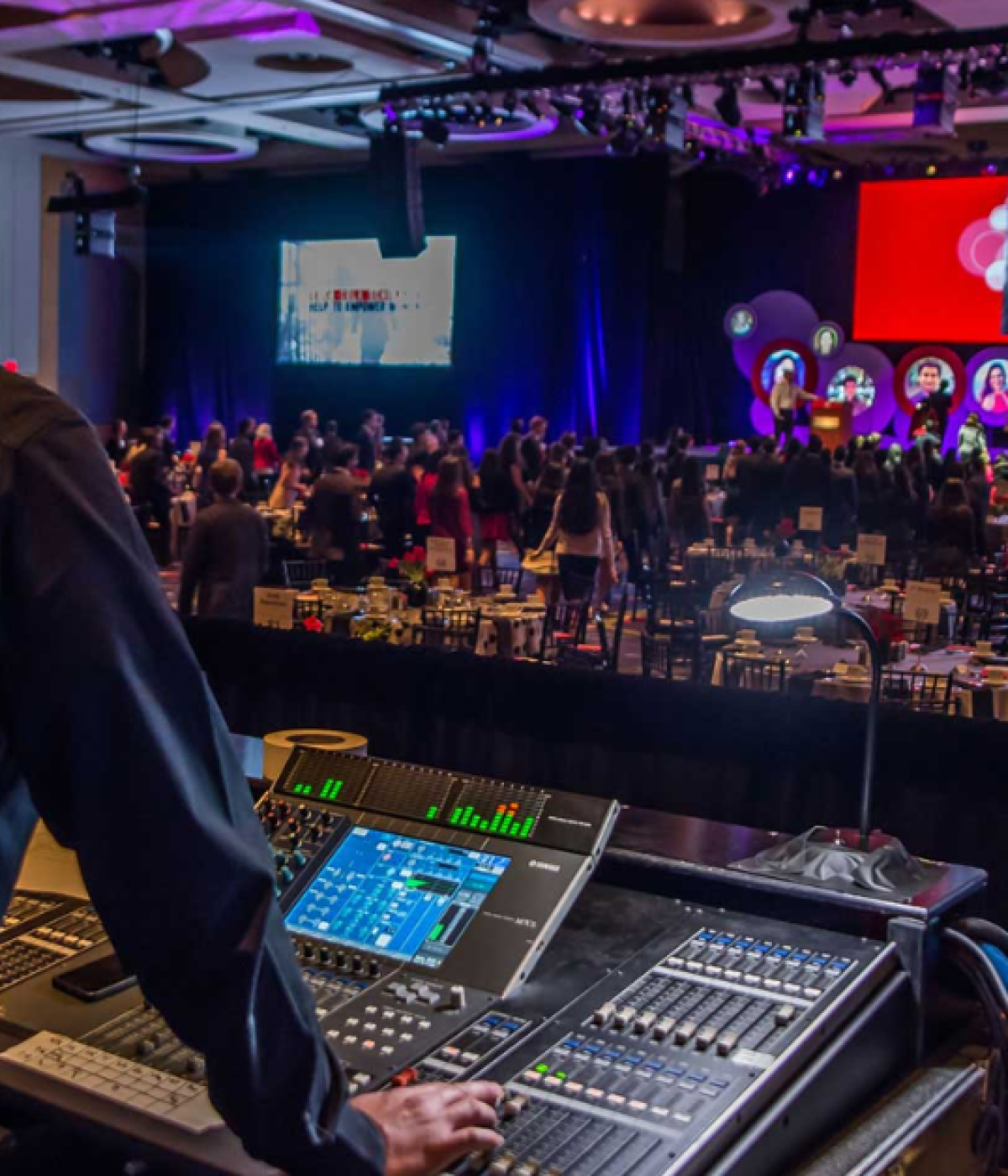
High-quality audio systems, professional lighting, live streaming platforms, event management software, digital polling tools, and audience interaction platforms significantly improve the overall experience. Technology ensures every participant can hear, see, and engage regardless of where they are joining from.
Investing in reliable event technology also reflects professionalism and demonstrates that the organization values effective communication with every employee.
Storytelling Makes Leadership More Memorable
Facts and figures may inform employees, but stories inspire them. One of the most overlooked aspects of corporate town hall event planning is incorporating storytelling into leadership presentations.
Business leaders who share personal experiences, customer success stories, employee achievements, and company milestones create emotional connections with audiences. Stories help employees understand not just what is happening within the organization but why those developments matter.
Effective storytelling transforms corporate communication into memorable experiences, making company goals easier to understand and more meaningful for employees at every level.
Building Trust Through Transparency
Transparency remains one of the strongest foundations of successful corporate communication. Employees appreciate honest conversations, especially during periods of organizational change, restructuring, or market uncertainty.
Corporate town hall event planning should encourage leaders to discuss business challenges alongside future opportunities. Addressing difficult questions openly demonstrates accountability and strengthens employee confidence in leadership.
Trust grows when employees believe leadership is willing to communicate honestly rather than avoiding sensitive topics. Transparent town halls reduce uncertainty, improve engagement, and encourage a positive workplace culture built on mutual respect.
Recognizing Employees During Town Hall Events
Employee recognition is one of the simplest yet most effective ways to improve engagement during corporate town hall meetings. Celebrating achievements reminds employees that their contributions are noticed and appreciated.
Corporate town hall event planning should include recognition for outstanding performance, innovation, teamwork, leadership, long-service milestones, and customer excellence. Public appreciation motivates employees while encouraging others to strive for similar accomplishments.
Recognition also reinforces organizational values by highlighting behaviours and achievements that align with the company’s vision and culture.
Measuring the Success of a Corporate Town Hall
Planning does not end once the event concludes. Measuring outcomes helps organizations improve future town hall meetings and understand whether communication objectives were achieved.
Employee feedback surveys, audience participation rates, engagement metrics, attendance numbers, question submissions, and post-event discussions provide valuable insights into event effectiveness. Corporate town hall event planning should always include an evaluation process that identifies strengths and opportunities for improvement.
Continuous improvement ensures every future town hall becomes more engaging, informative, and valuable for employees across the organization.
Common Corporate Town Hall Planning Mistakes to Avoid
Even experienced organizations can make mistakes during corporate town hall event planning. Overloading presentations with data, running beyond schedule, limiting employee interaction, using complicated corporate language, or ignoring audience questions can reduce engagement significantly.
Another common mistake is treating the town hall as a one-way announcement rather than an opportunity for dialogue. Employees value conversations more than presentations. Leaders who encourage discussion create stronger workplace relationships and build greater organizational trust.
Poor technical preparation can also affect hybrid or virtual town halls. Testing equipment, presentation materials, internet connectivity, and live streaming platforms beforehand helps ensure a smooth experience for everyone involved.
The Future of Corporate Town Hall Event Planning
Corporate communication continues to evolve alongside workplace expectations. Today’s employees want authentic leadership, transparent conversations, meaningful engagement, and opportunities to contribute ideas. As organizations embrace hybrid work models, corporate town hall event planning will become increasingly focused on creating inclusive experiences for every employee.
Artificial intelligence, interactive event platforms, real-time analytics, multilingual communication tools, and immersive virtual experiences are already shaping the future of corporate events. However, despite technological advancements, the core purpose remains unchanged: helping leaders communicate with clarity, empathy, and confidence.
Organizations that prioritize thoughtful corporate town hall event planning will build stronger employee relationships, improve internal communication, and foster a workplace culture where people feel informed, valued, and inspired.
Conclusion
Corporate town hall event planning is far more than organizing a company meeting. It is a strategic communication tool that connects leadership with employees, reinforces company values, and builds a culture of openness and collaboration. When planned with clear objectives, engaging content, interactive experiences, and authentic leadership communication, a corporate town hall becomes one of the most effective ways to strengthen employee engagement and organizational trust.
As businesses continue to navigate changing workplace dynamics, investing in impactful corporate town hall event planning is no longer optional, it is essential. Leaders who communicate with honesty, recognize employee contributions, encourage meaningful dialogue, and embrace modern event technology create town hall experiences that inspire confidence and drive long-term business success. A successful corporate town hall does not simply share information; it creates lasting connections that help organizations grow together.