Corporate events today are no longer just about networking, presentations, or entertainment. Every brand, business, and organization wants to understand one important thing after an event ends – was the event successful? This is where Event ROI Metrics become important. Measuring Event ROI helps companies understand whether their investment in a corporate event delivered real value, business growth, audience engagement, and brand visibility.
From conferences and trade shows to networking evenings and design summits, measuring Corporate Event Success is now a key part of Event Marketing Strategy. Businesses spend large budgets on venue setup, branding, speakers, hospitality, technology, and promotions. Without tracking Event Performance Metrics, it becomes difficult to understand what worked and what needs improvement.
In today’s competitive market, Event ROI Measurement helps brands make smarter decisions, improve future events, and maximize business returns. Understanding how to track Event Success Metrics can help organizers create better attendee experiences while also improving lead generation, audience retention, and brand awareness.
Understanding Event ROI in Corporate Events
Event ROI simply means the return a business receives from the money, time, and resources invested into a corporate event. Event ROI Metrics are used to measure whether the event achieved its objectives, generated business opportunities, and strengthened brand positioning.
For some companies, Corporate Event ROI may mean generating qualified leads and sales. For others, it may focus on brand awareness, audience engagement, networking value, or media exposure. Every event has different goals, which is why measuring Event Success should always begin with understanding the event objectives clearly.
A successful corporate event is not only judged by attendance numbers. Real Event ROI Analysis goes much deeper into attendee interaction, social media engagement, sponsor visibility, business inquiries, and long-term relationships built during the event.
Why Measuring Event ROI Matters
Measuring Event ROI is important because it provides clear insights into the effectiveness of the event strategy. Businesses today want measurable outcomes instead of assumptions. Tracking Event Performance helps identify whether the event delivered meaningful results or simply created temporary excitement.
Corporate Event Analytics also help companies understand audience behavior and engagement patterns. This data becomes valuable for planning future events, improving marketing campaigns, and increasing attendee satisfaction.
Another major reason for measuring Event ROI Metrics is budget justification. Event organizers and marketing teams often need to explain the value generated from the event investment. Accurate Event ROI Reporting makes it easier to showcase success to stakeholders, sponsors, and management teams.
Also read – The Ultimate Guide to Architecture and Design Events Every Architect Should Attend in 2025
Setting Clear Event Goals Before Measurement
Before tracking Event ROI, businesses must first define their event goals clearly. Without objectives, Event Success Metrics become difficult to measure accurately. Every corporate event should have a purpose connected to business growth, audience engagement, or brand positioning.
Some events focus on Lead Generation through Events, while others aim to improve networking opportunities, customer relationships, or product awareness. Setting measurable goals before the event helps create a stronger Event Marketing Strategy and simplifies Event ROI Analysis later.
When businesses define their goals early, they can also choose the right Event KPIs. These Key Performance Indicators become the foundation of measuring Corporate Event Success effectively.
Attendance and Registration Metrics
One of the first Event ROI Metrics businesses track is attendance data. Registration numbers, attendee turnout, and audience demographics provide important insights into event reach and audience interest.
High registration numbers may indicate strong event marketing and brand attraction. However, attendance conversion is equally important. If many people register but do not attend, it may reveal issues with communication, event timing, or audience targeting.
Audience segmentation also plays an important role in Corporate Event Analytics. Understanding attendee profiles, industries, job roles, and interests helps businesses evaluate whether they attracted the right audience for their event objectives.

Audience Engagement as a Key Event Success Metric
Audience Engagement Metrics are among the most valuable indicators of Event Success. Engagement reflects how actively attendees participated during the event experience. A highly engaged audience usually indicates that the event content, networking opportunities, and presentations were relevant and impactful.
Engagement can be measured through session participation, audience interaction, live polls, Q&A sessions, app usage, and networking activity. Social media engagement also provides strong insights into attendee excitement and event reach.
Tracking hashtags, shares, comments, mentions, and event-related conversations can help businesses understand how much visibility the event generated online. Strong Social Media Event Metrics often contribute significantly to overall Corporate Event ROI.
Lead Generation and Business Opportunities
For many businesses, Lead Generation Metrics are one of the most important Event ROI Indicators. Corporate events create opportunities to connect with potential clients, partners, investors, and decision-makers in a direct and meaningful way.
Measuring the number of qualified leads generated during the event helps businesses understand the commercial value of their event investment. However, quantity alone is not enough. The quality of leads and future conversion potential are equally important in Event ROI Analysis.
Tracking follow-up meetings, business inquiries, proposal requests, and partnership discussions after the event provides a clearer picture of long-term event impact. Events often generate business relationships that continue delivering value months after the event concludes.
Measuring Brand Awareness and Visibility
Brand Awareness Metrics are another major factor in Corporate Event ROI Measurement. Events help brands increase visibility, strengthen positioning, and improve audience perception within the industry.
Media coverage, press mentions, influencer participation, website traffic growth, and social media impressions all contribute to measuring Event Brand Visibility. Strong visibility often improves brand credibility and creates long-term recognition among target audiences.
Event photography, video content, and audience-generated content also play an important role in extending brand reach beyond the event venue. Today, digital engagement continues even after the physical event ends, making Event Content Marketing an important part of Event ROI Strategy.
Sponsor Value and Partnership Success
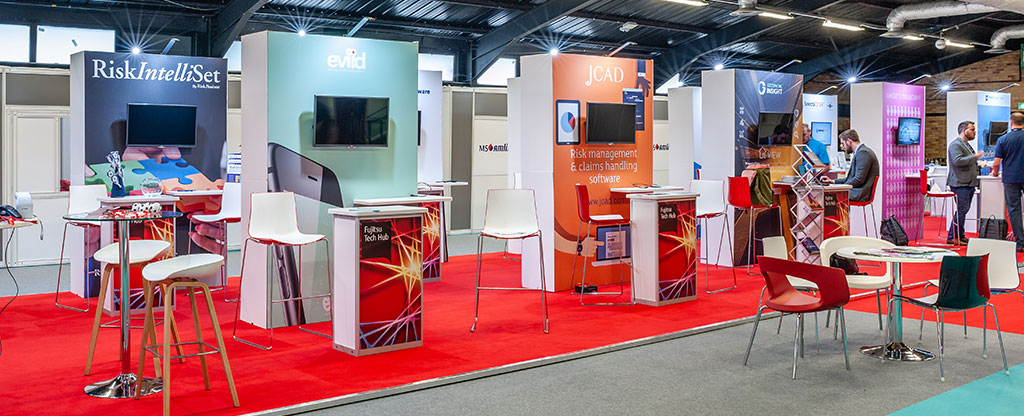
Sponsors play a major role in many corporate events, making Sponsor ROI Measurement extremely important. Brands sponsoring events expect visibility, audience engagement, networking access, and business exposure in return for their investment.
Measuring sponsor success involves tracking booth visits, audience interaction, brand mentions, digital impressions, and lead generation opportunities created during the event. Positive sponsor experiences often lead to long-term partnerships and repeat collaborations.
Strong Sponsor ROI also increases the credibility and financial sustainability of future events. Event organizers who provide detailed Event Analytics and Sponsor Performance Reports often build stronger industry relationships.
Feedback and Attendee Satisfaction
Attendee feedback is one of the most direct ways to measure Corporate Event Success. Audience opinions provide valuable insights into event quality, experience design, speaker effectiveness, and overall satisfaction levels.
Post-event surveys, reviews, and feedback forms help businesses understand attendee expectations and identify areas for improvement. Positive attendee experiences usually result in higher retention rates, stronger word-of-mouth marketing, and increased future participation.
Measuring Event Satisfaction Metrics also helps businesses improve personalization and audience experience strategies for upcoming events. In today’s experience-driven market, attendee satisfaction directly impacts Event ROI and brand reputation.
Technology and Data Analytics in Event Measurement
Modern Event Technology has transformed the way businesses measure Event ROI Metrics. Event apps, registration platforms, QR check-ins, AI analytics, and audience tracking tools now provide real-time Event Performance Data.
Corporate Event Analytics platforms can track attendee behavior, networking patterns, content popularity, and engagement levels with greater accuracy. This allows businesses to make data-driven decisions instead of relying on assumptions.
Technology also simplifies Post-Event Reporting by organizing all Event KPIs into detailed performance dashboards. These insights help businesses optimize future event strategies and improve Event Marketing ROI continuously.
Long-Term Impact of Corporate Events
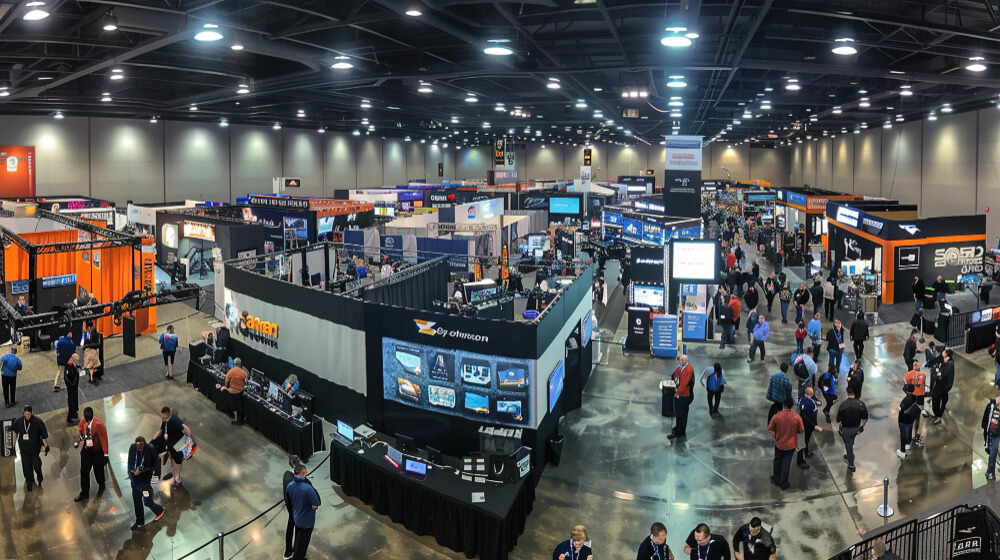
The success of a corporate event should not only be measured immediately after the event ends. Many events create long-term business impact through relationships, collaborations, and brand positioning.
A successful corporate event can improve customer loyalty, strengthen professional networks, enhance market reputation, and generate future business opportunities over time. Long-term Event ROI often becomes visible through repeat partnerships, future inquiries, and increased industry recognition.
Businesses that consistently analyze Event Success Metrics can better understand how events contribute to broader marketing and business objectives. This long-term approach helps companies maximize the value of every event investment.
Conclusion
Corporate events have evolved into powerful business and marketing tools that influence brand growth, networking, audience engagement, and business development. However, without proper Event ROI Measurement, businesses cannot fully understand the impact of their efforts.
Tracking Event ROI Metrics helps organizations evaluate performance, improve future strategies, and create more meaningful event experiences. From Audience Engagement Metrics and Lead Generation to Brand Awareness and Sponsor ROI, every aspect of an event contributes to measuring Corporate Event Success.
In today’s competitive business environment, data-driven Event Analytics and clear Event Performance Metrics are essential for long-term growth. Businesses that invest in measuring Event ROI effectively are better positioned to create impactful events that deliver real value, stronger relationships, and measurable business outcomes.